
Forgotten Dairies
The Fuel Queue and the Open Road: Where Does Atiku Want To Take Nigeria? -By Abdullahi Abubakar
Now, the responsibility is to ensure Nigerians see the benefits of the reform through lower inflation, stronger purchasing power, better infrastructure, more jobs and a more productive economy.

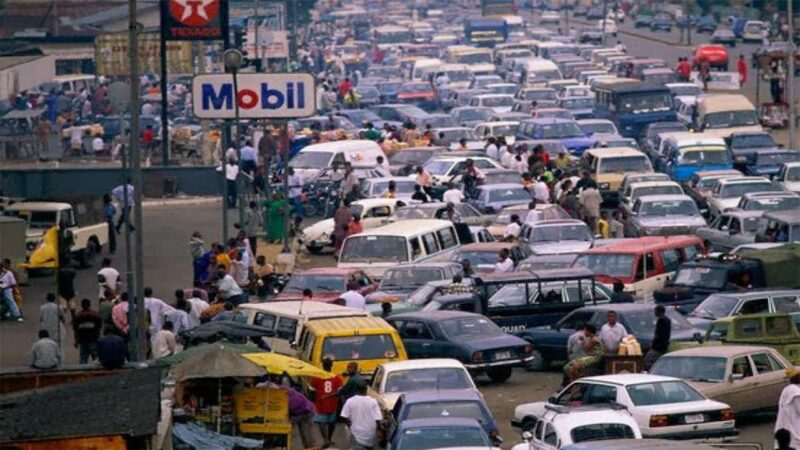
There was a time in Nigeria when petrol was cheap, and many people celebrated the price. But beneath that seemingly attractive price was a painful reality that Nigerians must never forget: cheap fuel did not always mean a better life.
There were periods when motorists spent three or four days in fuel queues. Some people slept at filling stations just to secure petrol. Others spent an entire day waiting, only to return home with an empty tank.
The consequences went far beyond filling stations.
Transport operators lost income because their vehicles could not move. Passengers spent hours searching for transport. Traders lost customers. Workers arrived late at their workplaces. Students missed classes. Businesses struggled with uncertainty. Nigerians lost countless productive hours simply because obtaining petrol became an ordeal.
And who paid for the supposedly cheap fuel?
The Nigerian government did.
For years, enormous sums of public money were spent subsidising petrol. The subsidy regime became a massive financial burden on the government, while questions persisted over smuggling, diversion and the extent to which subsidised petrol actually benefited Nigerians.
At the same time, subsidised Nigerian petrol was smuggled across our borders, where it could be sold at higher prices. In effect, Nigerian taxpayers were helping to finance a system that created opportunities for arbitrage and fuel diversion.
Then came the difficult decision to remove the petrol subsidy.
Yes, the immediate consequence was painful. Petrol became more expensive. Transportation became more expensive. The cost of living came under pressure.
Nobody should pretend otherwise.
But there is another side of the story that Nigerians must also acknowledge: the era of scarcity-driven fuel queues has significantly changed.
Today, Nigerians can generally find petrol without spending three or four days sleeping at filling stations. Vehicles can move. Transport businesses can plan. Goods can be transported. Economic activities can continue without the same level of uncertainty over whether petrol will be available.
This is the critical question Nigerians must ask before the 2027 election:
Do we want to return to a system where petrol is artificially cheap but government finances are heavily burdened, or do we want to build an economy where the government can spend more of its resources on infrastructure, education, healthcare and productive investment?
This is where recent statements about bringing back or reversing subsidy policies deserve serious scrutiny.
If someone tells Nigerians that petrol will suddenly become cheap again, we must ask:
Who will pay the difference?
Will the government borrow again?
Will the Federal Government return to spending enormous public resources subsidising consumption?
Will states and local governments have less money available for salaries and projects because more revenue is diverted to fuel subsidies?
And most importantly, are we prepared to return to the days when cheap petrol could coexist with long queues, scarcity and smuggling?
Politics should not be about who can make the sweetest promise. It should be about asking how that promise will be funded and what its consequences will be.
Nigeria has experienced the subsidy era before. We know what it looked like. We know the queues. We know the scarcity. We know the financial burden. We know the distortions it created.
So when politicians make promises about fuel prices, Nigerians should not only listen to the price they are promising.
Ask for the mathematics.
How much will it cost the government?
Where will the money come from?
What happens to FAAC?
What happens to infrastructure?
What happens to education and healthcare?
What happens when global crude oil prices rise?
And can the policy survive without returning Nigeria to the same cycle of borrowing, subsidy payments, scarcity and fuel diversion?
The lesson is simple:
A product being cheap on paper does not necessarily mean Nigerians are better off if the government cannot sustain the system or if citizens cannot reliably access the product.
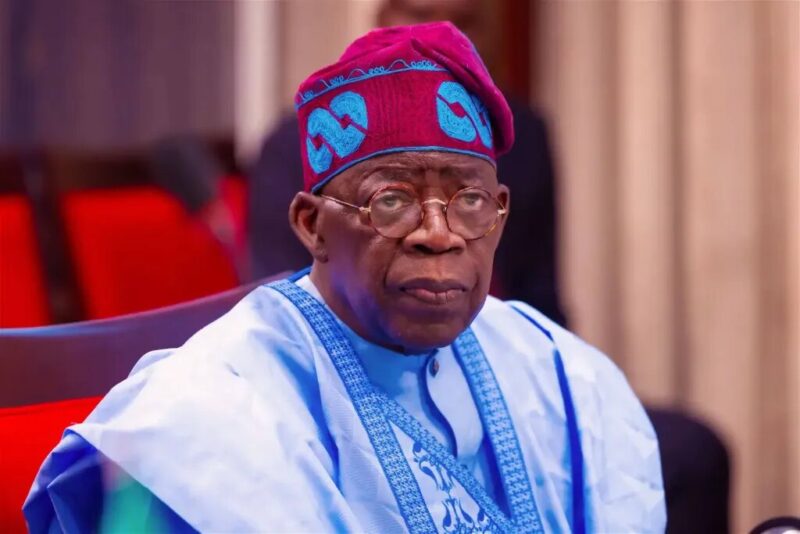
President Bola Ahmed Tinubu’s subsidy decision has been difficult, and Nigerians have every right to demand accountability over how the savings and additional revenues are managed.
But we must also be careful not to romanticise a past that many Nigerians painfully remember.
We should not allow nostalgia for cheap petrol to make us forget expensive queues.
We should not allow political promises to make us forget economic reality.
And we should not allow anyone to take Nigeria backwards without first explaining exactly how much that journey will cost us.
Nigeria needs sustainable economic policies, not attractive promises that collapse under the weight of their own mathematics.
Thank you, Asiwaju Bola Ahmed Tinubu, for taking a difficult decision that previous governments repeatedly postponed.
Now, the responsibility is to ensure Nigerians see the benefits of the reform through lower inflation, stronger purchasing power, better infrastructure, more jobs and a more productive economy.
The question is no longer simply: “How cheap is petrol?”
The real question is: “Can Nigerians afford the system that makes it cheap?”















You must be logged in to post a comment Login