Africa
The Impact of Climate Change on Nigeria’s Agriculture -By Abdulsamad Danji
Despite these challenges, Nigeria can still adapt. Improved irrigation systems, climate-resilient crop varieties, better early-warning systems, and sustainable farming practices offer hope. Government policies that support smallholder farmers, alongside increased investment in agricultural research, can strengthen resilience and reduce vulnerability. Communities are also learning to diversify crops, adopt modern storage methods, and use climate data to inform planting decisions.

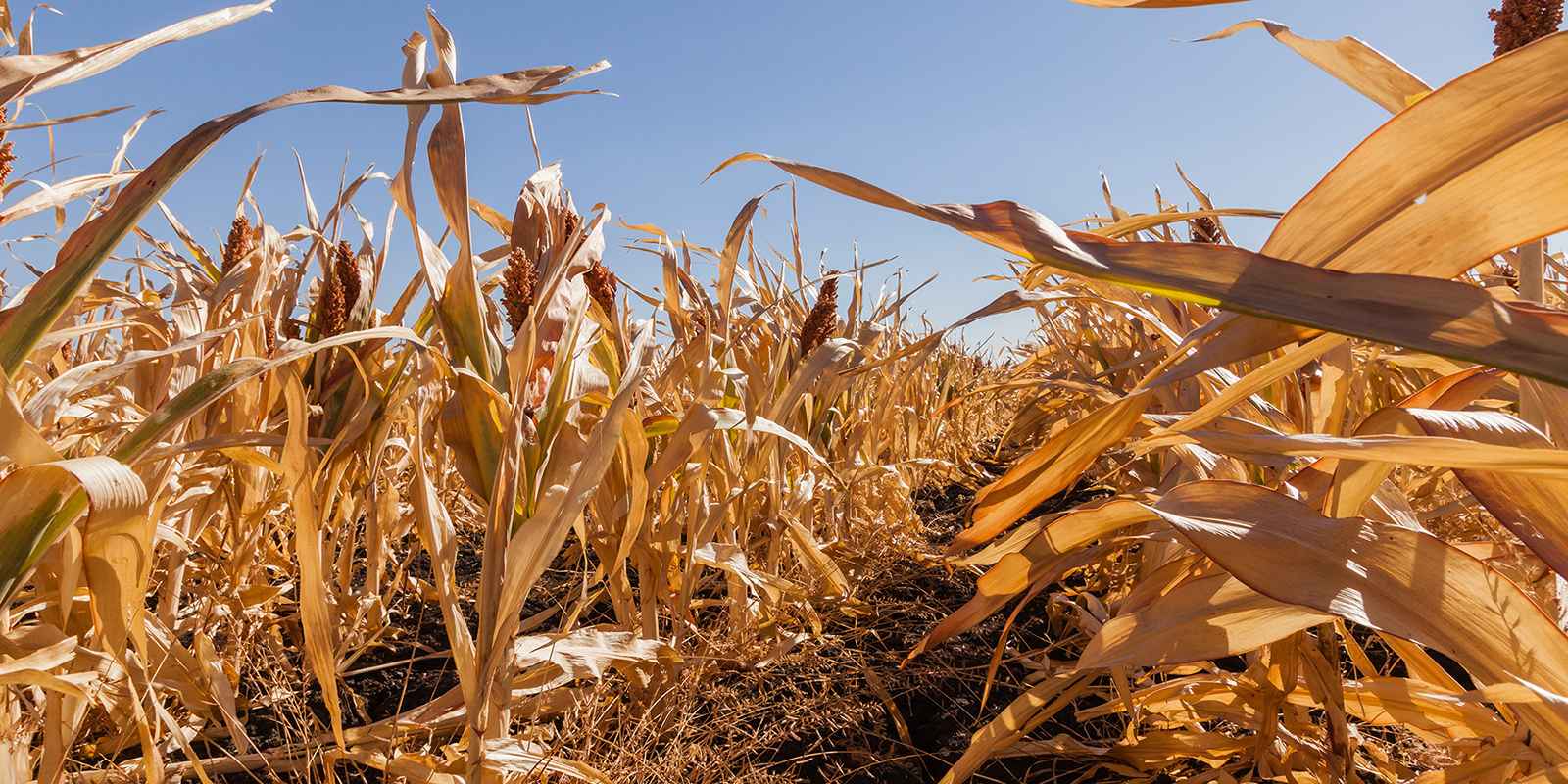
Agriculture remains the backbone of Nigeria’s economy, employing a large portion of the population and providing food, raw materials, and income for millions. However, in recent decades, climate change has emerged as one of the greatest threats to the nation’s agricultural stability. Rising temperatures, irregular rainfall patterns, droughts, floods, and the advance of pests and diseases are increasingly disrupting farming activities across the country. These changes are not only reducing crop yields but also deepening food insecurity and threatening rural livelihoods.
One of the most significant effects of climate change in Nigeria is the shift in rainfall patterns. Farmers who once depended on predictable rainy seasons now face uncertainty, with rains coming too late, too early, or in destructive bursts that lead to flooding. In the northern regions, prolonged droughts have become more common, drying up rivers and reducing soil moisture. This has negatively affected crops such as millet, sorghum, maize, and groundnuts, which form the staple diet of many communities. In the southern regions, excessive rainfall and flooding often wash away farmlands, destroy stored grains, and disrupt transportation routes to markets.
Rising temperatures also pose serious challenges. Many crops grown in Nigeria have temperature thresholds beyond which productivity declines. High heat stresses crops and reduces soil fertility by speeding up the loss of organic matter. Livestock are not spared either; extreme heat leads to reduced milk production, higher mortality rates, and increased spread of diseases. For pastoral families who depend heavily on cattle for survival, these changes create both economic and social difficulties.
Climate change has also intensified the spread of pests and diseases. Warmer weather favors the multiplication of crop pests like fall armyworms and desert locusts, which can wipe out entire farms within days. Diseases affecting crops and livestock are becoming more frequent, worsening the vulnerability of farmers who lack access to improved farming technologies or veterinary services.
The economic consequences are severe. Lower yields mean reduced income for farmers, higher food prices, and increased pressure on national food supply. Rural-urban migration is rising as young people abandon farming in search of more stable opportunities. This trend threatens Nigeria’s long-term food security and places additional strain on urban centers.
Despite these challenges, Nigeria can still adapt. Improved irrigation systems, climate-resilient crop varieties, better early-warning systems, and sustainable farming practices offer hope. Government policies that support smallholder farmers, alongside increased investment in agricultural research, can strengthen resilience and reduce vulnerability. Communities are also learning to diversify crops, adopt modern storage methods, and use climate data to inform planting decisions.
In conclusion, climate change has become one of the most significant threats to Nigerian agriculture, impacting food production, rural livelihoods, and national economic stability. While the challenges are serious, proactive adaptation strategies and strong policy support can help the nation safeguard its agricultural future. By acting now, Nigeria can protect the millions who depend on agriculture and build a more sustainable and resilient food system.