Forgotten Dairies
When Sanitation Fails: Understanding the Cholera Crisis in Maiduguri from a Veterinary Public Health Perspective -By Dr. Umoru Moris
Until sanitation improves and vulnerable communities gain better access to safe living conditions, cholera may continue to threaten public health in Maiduguri. Through collaborative efforts involving healthcare professionals, veterinary public health experts, government agencies, and local communities, the burden of the disease can be significantly reduced and future outbreaks better controlled.

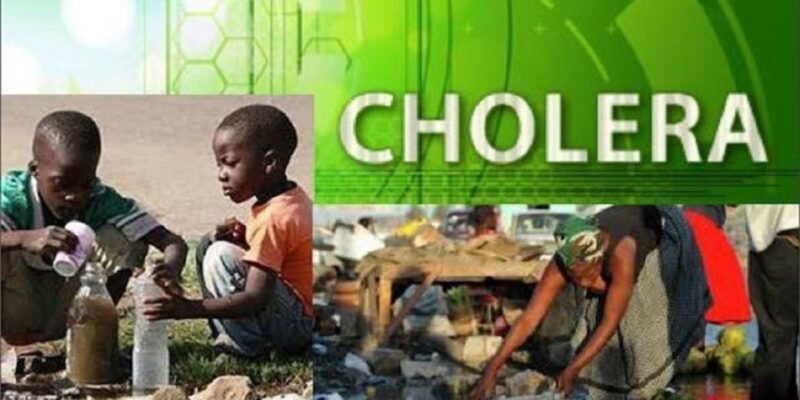
In Maiduguri, cholera outbreaks have become more than a seasonal health problem. They now reflect the painful realities of poor sanitation, environmental contamination, overcrowding, and weakened public health systems. Each outbreak exposes how vulnerable communities remain when access to clean water, proper hygiene, and safe living conditions is limited. For many residents, especially those living in internally displaced persons (IDP) camps, the threat of cholera continues to exist alongside the struggle for daily survival.
Cholera is a highly infectious diarrheal disease caused by the bacterium Vibrio cholerae. The infection spreads mainly through the fecal-oral route when contaminated food or water is consumed. Once the bacteria enter the body, severe watery diarrhea and vomiting can occur rapidly, leading to dangerous dehydration within a short period if medical attention is delayed. In vulnerable populations such as children, elderly individuals, and people with weakened immunity, the disease can become fatal within hours.
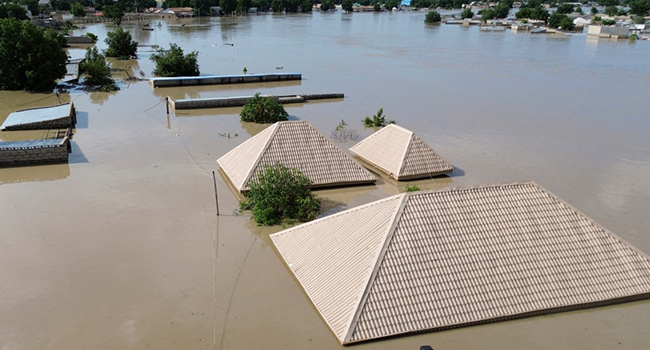
The repeated outbreaks recorded in Maiduguri are closely linked to environmental and epidemiological conditions surrounding the city. Poor sewage systems, open defecation, flooding, and inadequate waste disposal continue to create favorable conditions for disease transmission. Many households still depend on untreated water from wells, streams, and other unsafe sources that can easily become contaminated by human waste. During the rainy season, floodwater often spreads contaminated materials into residential areas and water sources, increasing the speed of infection within communities.
From an epidemiological standpoint, cholera follows the interaction between the agent, the host, and the environment. The agent is Vibrio cholerae, the host is the human population, while the environment includes contaminated surroundings, poor sanitation, overcrowded settlements, and inadequate hygiene practices. These factors continue to support the persistence and spread of the disease in Maiduguri.
The humanitarian crisis in Borno State has also contributed significantly to the outbreak situation. Insecurity and displacement have forced thousands of people into overcrowded IDP camps where access to sanitation facilities remains inadequate. Limited toilet systems, poor refuse disposal, and insufficient hygiene awareness create an environment where infectious diseases can spread easily. Under such conditions, outbreak control becomes increasingly difficult for healthcare authorities.
From the perspective of veterinary public health, cholera is not viewed strictly as a medical issue but as an environmental and community health challenge. Veterinary public health professionals work within the “One Health” approach, which recognizes the close relationship between human health, environmental conditions, and disease prevention. Their role extends beyond animal care into areas such as environmental sanitation, food hygiene, disease surveillance, epidemiology, and public health education.
One of the most important preventive measures against cholera remains access to safe drinking water. Water intended for domestic use should be boiled, filtered, or treated with chlorine before consumption. Safe storage practices are also necessary to prevent contamination after treatment. Communities must avoid using water from unsafe or flood-contaminated sources, especially during outbreak periods.
Sanitation improvement is equally important in controlling the spread of cholera. Open defecation continues to increase environmental contamination in many vulnerable communities. Proper toilet facilities, effective sewage systems, and regular waste disposal are necessary to reduce public health risks. Drainage systems should also be maintained regularly to prevent stagnant and contaminated water accumulation during flooding.
Hand hygiene remains one of the simplest but most effective disease prevention strategies. Washing hands with soap and clean water before eating, before preparing food, after using the toilet, and after handling waste materials helps break the chain of infection. In environments where hygiene practices are poor, cholera transmission becomes more difficult to control.
Food safety is another major concern emphasized in veterinary public health. Food contamination contributes significantly to cholera outbreaks, particularly where food is prepared or sold under unhygienic conditions. People are encouraged to consume freshly prepared meals, wash fruits and vegetables properly, protect food from flies and dust, and maintain cleanliness during food preparation. Food vendors also have a responsibility to follow proper hygiene regulations to protect public health.
Disease surveillance and early reporting remain critical components of outbreak management. Early detection of suspected cases allows health authorities to respond quickly before infections spread widely. Veterinary epidemiologists contribute to surveillance activities through environmental monitoring, outbreak investigation, and risk assessment within affected communities. Their involvement strengthens public health response efforts during disease outbreaks.
Public health awareness is also necessary in reducing cholera transmission. Many infections persist because communities lack adequate knowledge regarding disease prevention and early treatment. Continuous health education campaigns can help people understand the causes, symptoms, preventive measures, and importance of seeking immediate medical attention once symptoms appear. Awareness programs targeting schools, healthcare centers, markets, and IDP camps can significantly improve community response during outbreaks.
Oral cholera vaccination also provides additional support in outbreak prevention and control. However, vaccination alone cannot eliminate the disease without proper sanitation, hygiene practices, environmental management, and access to safe water. Sustainable cholera prevention requires a combination of public health interventions working together.
The recurring cholera outbreaks in Maiduguri continue to reveal the urgent need for stronger environmental sanitation policies, improved healthcare systems, and coordinated public health interventions. From a veterinary public health perspective, controlling cholera requires more than treatment alone. It requires environmental responsibility, disease surveillance, food safety management, public awareness, and community participation under the One Health approach.
Until sanitation improves and vulnerable communities gain better access to safe living conditions, cholera may continue to threaten public health in Maiduguri. Through collaborative efforts involving healthcare professionals, veterinary public health experts, government agencies, and local communities, the burden of the disease can be significantly reduced and future outbreaks better controlled.
Dr. UMORU MORIS
(DVM;UNIMAID)