Connect with us

Africa

2026 Tax Reforms: Relief for the Poor or a Squeeze on Nigeria’s Middle Class? -By Abdulhamid Rabiu

Nigerians are repeatedly asked to pay more, yet roads are unsafe, public hospitals are overstretched, schools shut down over strikes, and insecurity remains widespread. When taxes do not translate into visible services, citizens see taxation not as a civic duty, but as an unfair demand.

Published

on

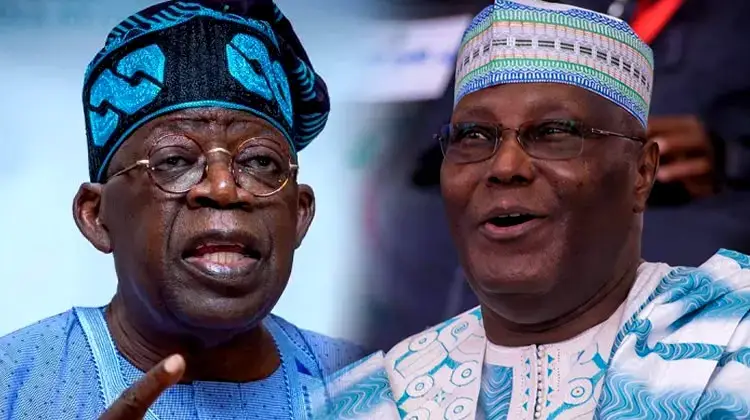
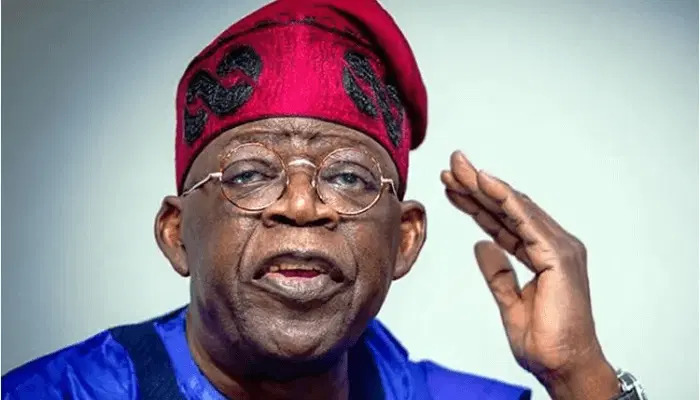
Tinubu

2026, Nigeria’s tax reforms will move from policy promises to lived reality. The Federal Government says the changes are designed to protect low-income earners, widen the tax base, and boost non-oil revenue. Yet for millions of Nigerians already struggling to stay afloat, the real question is simple: who truly pays the price?

At a time of rising inflation, weak purchasing power, and post-subsidy economic shocks, tax policy is no longer an abstract economic tool. It is now deeply personal.

The Case for Reform

Government officials argue that Nigeria’s tax-to-GDP ratio remains among the lowest globally, making reforms unavoidable. The 2026 tax direction includes exemptions for minimum wage earners, adjustments to personal income tax, and tighter enforcement through digital systems.

On the surface, these measures appear fair. Protect the poorest, demand more accountability, and reduce dependence on oil revenue. But policy success is not measured by intention—it is judged by impact.

Advertisement

A Middle Class Under Pressure

Nigeria’s middle class has become the economy’s silent casualty. Civil servants, professionals, and small business owners now face rising transport costs, higher electricity tariffs, increasing rent, school fees, and healthcare expenses.

For this group, taxation is unavoidable. Their incomes are visible, salaries are taxed at source, and compliance is mandatory. While the wealthy often find legal loopholes and the informal sector remains largely untaxed, the middle class carries the burden.

The danger in the 2026 tax reforms is not what they remove for the poor, but what they quietly add for everyone else.

Tax Without Trust

Advertisement

Perhaps the greatest weakness of Nigeria’s tax system is not policy design but public trust.

Nigerians are repeatedly asked to pay more, yet roads are unsafe, public hospitals are overstretched, schools shut down over strikes, and insecurity remains widespread. When taxes do not translate into visible services, citizens see taxation not as a civic duty, but as an unfair demand.

A functional tax system depends on a social contract. In Nigeria, that contract feels broken.

Continue Reading
Advertisement
Click to comment

Leave a Reply

Your email address will not be published. Required fields are marked *

Trending Contents

Topical Issues

Aliko Dangote Aliko Dangote
Africa35 minutes ago

Why My Cement Is Expensive in Nigeria but Cheaper Abroad – The Dangote’s Explanation -By Richard Nathan Sani

Dangote argues that the higher price of cement in Nigeria reflects broader systemic issues rather than deliberate price discrimination. According...

Festus Adedayo Festus Adedayo
Forgotten Dairies10 hours ago

Memories, the Dead, Okanlomo and Other Stories -By Festus Adedayo

To demonstrate their belief in life after death, my people submit that memorializing of a parent by their children is...

Medicine - drug - tablet Medicine - drug - tablet
Africa17 hours ago

The Rise of Drug Abuse among Teenagers -By Abdullateef Mahbub Adewale

The government must also strengthen laws and monitor pharmacies to stop the easy sale of hard drugs. Parent should build...

Tax Tax
Forgotten Dairies19 hours ago

Young Entrepreneurs vs New Taxes -By Abdulhaq Ibn Luqman

Nigeria’s new tax rules are a step toward economic reform, but their success will ultimately be judged by their impact...

Tinubu Tinubu
Africa1 day ago

Sustainable Development Nigeria -By Abubakar Yusuf

Balancing economic growth and environmental protection is a delicate act, but Nigeria can achieve it. The country needs to adopt...

Nigeria flag Nigeria flag
National Issues1 day ago

Nigeria in 2025: A Year of Turmoil and Challenges -By Abdulsamad Danji

US President Donald Trump threatened military action against Nigeria, accusing the country of genocide against Christians. However, the Nigerian government...

Fulani herdsmen and their cow Fulani herdsmen and their cow
Africa1 day ago

Escalating Tension: The Farmer Herder Clash in Nigeria -By longbakwa Kevin Maiyaki

Even with the effort of the Nigerian government, this problem is still ongoing and will  involve a multi-faceted approach: implementing...

Fake Degrees Fake Degrees
National Issues1 day ago

Nigeria’s Crack Down on Online Misinformation -By Abdulhaq Ibn Luqman

Analysts stress that striking a balance is essential: over-regulation could silence legitimate voices, while under-regulation allows harmful content to thrive....

Lagos-by-Night-Street light Lagos-by-Night-Street light
Africa1 day ago

Lagos’ Streetlighting Upgrade and its Importance for Security and Economic Growth -By Oluwaseye

Overall, Light Up Lagos is a promising initiative, poised to put Lagos State on the economic and entertainment global talking...

Aliko Dangote Aliko Dangote
National Issues1 day ago

Dangote, Monopoly Power, and Political Economy of Failure -By Blaise Udunze

Nigeria often aspires to emulate Singapore’s refining and petrochemical success. The comparison is instructive. Singapore has no crude oil, yet...