
Africa
A Deluge Of Neglect: The Aftermath Of Unaddressed Flooding In Maiduguri -By Princess Jane Simon
There is still hope, however. With sustained advocacy, investment in urban infrastructure, and the political will to prioritize human welfare, Maiduguri can recover. But the window for action is closing. Authorities must now develop and implement a robust disaster preparedness and recovery plan, allocate sufficient funding for infrastructure renewal, and engage with local communities for sustainable solutions.

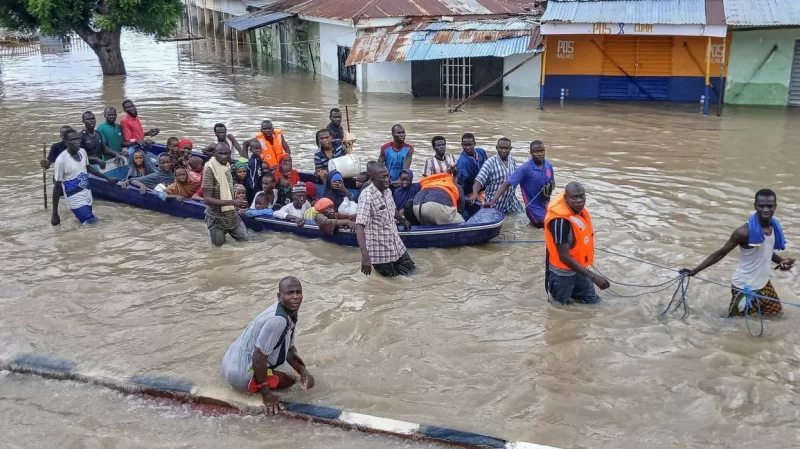
The ancient city of Maiduguri, capital of Borno State, has weathered numerous storms—both metaphorical and literal. From the onslaught of insurgency to economic hardship, its people have consistently displayed resilience. However, in August 2025, Maiduguri faced a devastating flood that tested the city’s infrastructure, its institutions, and most of all, its leadership. What followed the deluge was not swift intervention but a conspicuous absence of urgency. The flood may have lasted hours, but the consequences of governmental inaction continue to unfold.
The rains began on August 12 and lasted into the early hours of the next day. Meteorologists had warned of impending heavy downpours, predicting that low-lying urban areas could suffer the worst impacts. Still, no evacuation notices were issued, no temporary shelters arranged, and no emergency response strategy put in place. By morning, Maiduguri’s bustling neighborhoods like Gwange, Bulumkutu, and Fori were submerged. Residents woke to find their homes swallowed by muddy water, their belongings washed away, and their streets transformed into rivers.
The flooding itself was not an isolated event. Over the years, urban expansion in Maiduguri has occurred without adequate planning. Drainage systems have been neglected, and residential areas have expanded into flood-prone zones. The result is a city ill-equipped to handle natural disasters. With waste blocking gutters and waterways, it was inevitable that the rain would do more than simply wet the streets—it would break them. And it did, leaving deep gullies and eroded roads in its wake.
One of the greatest tragedies of this flood was not the water itself, but the inaction that followed. In the immediate aftermath, affected families were left to fend for themselves. There was no organized distribution of relief materials, no visible presence of emergency personnel, and no access to temporary accommodation. Weeks passed, and makeshift camps emerged in school compounds and abandoned buildings. These informal shelters lacked sanitation facilities, clean water, or security.
Public health experts had long warned that the consequences of ignoring flood recovery would be severe. Their fears were soon realized. With sewage mixing into floodwaters, diseases such as cholera, typhoid, and dysentery spread rapidly. Hospitals, already stretched thin, could not cope with the sudden influx of patients. What should have triggered a coordinated public health response instead became a silent epidemic affecting mostly children and the elderly.
For thousands of residents, especially the vulnerable, the disaster has altered the course of their lives. Aisha Umar, a widowed mother of five, lost her modest home and everything in it. “Nobody came to help us,” she said. “We only received rice and beans from a local mosque. The government did not even ask about us.” Her story mirrors those of countless others. Aid agencies attempted to intervene, but the lack of coordination with state agencies hampered their efforts.
Children have been the most visibly affected. Schools that should have reopened after the flood remained closed due to structural damage. With no access to education or recreational facilities, many children turned to street hawking and begging. Psychologists reported an increase in trauma-related behavior, with children showing signs of fear, anxiety, and withdrawal. This loss of educational momentum may haunt a generation already strained by years of insurgency.
The economic impact has also been profound. Maiduguri is a commercial hub in northeastern Nigeria, with many residents engaged in petty trade, farming, and small-scale businesses. The flood destroyed shops, stalls, and farms. Perishable goods were lost, supply chains disrupted, and markets temporarily closed. Farmers on the outskirts of the city who had invested their savings into planting crops watched helplessly as their farmlands were swallowed by water. Yet, no compensation or support scheme was initiated by the state.
In addition to the human cost, the environmental consequences of the flood were glaring. Debris and plastic waste littered the once-clean streets. Vegetation died off in flooded areas, and stagnant water became breeding grounds for mosquitoes. Without any clean-up or environmental remediation efforts, Maiduguri is now facing an ecological crisis that could compound existing health and sanitation problems.
Community leaders and civil society groups did not remain silent. Many organized volunteer clean-up drives, awareness campaigns, and relief collections. However, they lacked the resources and authority to create lasting change. Their appeals for government collaboration were either ignored or caught in bureaucratic delays. What they needed was action—what they got were empty promises and policy papers.
One glaring issue is the absence of a comprehensive disaster management framework for Borno State. While NEMA (National Emergency Management Agency) operates nationally, there is little to no localized disaster preparedness tailored for cities like Maiduguri. This gap left a vacuum during the crisis. No simulations had been conducted, no emergency numbers disseminated, and no government agency had a clear mandate to coordinate local disaster responses.
The media also played a crucial role in exposing the negligence. Several local radio stations and online platforms published firsthand accounts of the devastation, the suffering of displaced persons, and the government’s silence. Yet, despite this media pressure, official statements remained vague and delayed. No apology was offered, no timelines set for repairs or relief distribution, and no officials held accountable for lapses.
What makes the situation even more tragic is that this disaster was preventable. Experts had previously recommended flood-prevention strategies, including dredging of water channels, construction of embankments, relocation of communities from floodplains, and stricter enforcement of waste disposal laws. Not only were these ignored, but the state also failed to enforce existing environmental regulations, allowing continued illegal construction on waterways.
In the months following the flood, Maiduguri continues to limp forward, battered and betrayed. Displaced families still live in makeshift homes, and streets remain cracked and impassable. The rainy season of the following year looms ominously, with no indication that the city is any more prepared than it was before. As climate change intensifies, extreme weather events are expected to become more frequent and more severe.
There is still hope, however. With sustained advocacy, investment in urban infrastructure, and the political will to prioritize human welfare, Maiduguri can recover. But the window for action is closing. Authorities must now develop and implement a robust disaster preparedness and recovery plan, allocate sufficient funding for infrastructure renewal, and engage with local communities for sustainable solutions.
To move forward, accountability must take center stage. The people of Maiduguri deserve answers. They deserve better urban planning, health systems that respond in times of crisis, and leaders who act when danger looms. The disaster of 2025 should serve not just as a warning, but as a catalyst for reform.
In conclusion, the failure to take swift and adequate measures after the flood in Maiduguri represents a grave lapse in leadership and governance. It has exposed the vulnerabilities of a city that cannot afford to be ignored. If the necessary lessons are not learned and applied, Maiduguri could face even worse disasters in the future—not just from nature, but from the enduring consequences of human neglect.
PRINCESS JANE SIMON IS A 300 LEVEL STUDENT FROM MASS COMMUNICATION DEPARTMENT UNIVERSITY OF MAIDUGURI.

























You must be logged in to post a comment Login