Africa
A Plea To The Government: Rethink Petroleum Prices For The Nigerian People, by Adde Shuaibu

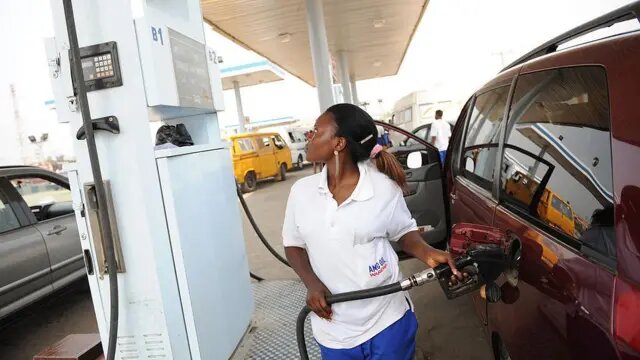
As fuel prices soar in Nigeria, the everyday life of its citizens has been turned upside down. From transportation costs to the prices of basic goods, every sector of the economy has been impacted. The rise in petroleum prices has become a major point of concern, and while the government has taken steps to address the situation, the current realities demand urgent reconsideration. The call for government intervention is not just about stabilizing prices but about protecting the lives and livelihoods of millions of Nigerians.
In the past, Nigeria has enjoyed relative stability in fuel prices, partly due to the government’s subsidy program. However, in recent years, the country has moved towards deregulation, which has resulted in price fluctuations that have hit the poorest Nigerians hardest. While deregulation aims to promote efficiency and competition in the sector, the absence of a safety net has left many struggling to make ends meet. This feature article calls on the government to rethink its approach to petroleum pricing, considering both the economic realities and the well-being of its citizens.
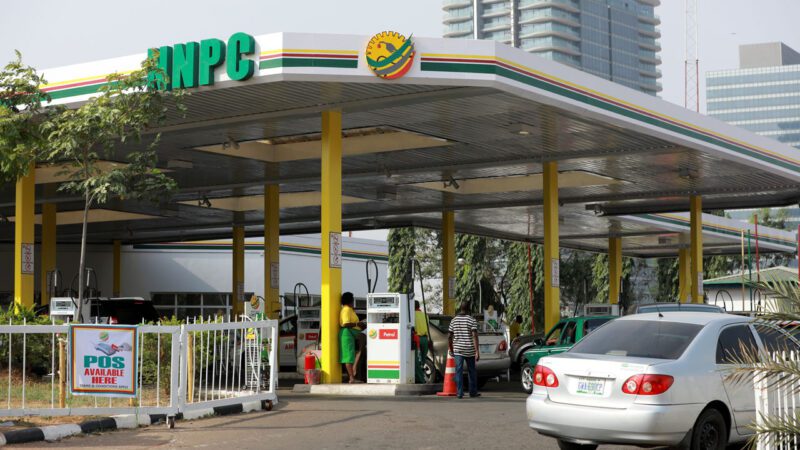
For the average Nigerian, petroleum is not just a commodity; it is the lifeblood of daily living. The increase in petroleum prices has caused transportation costs to skyrocket. For individuals who rely on public transport, the cost of moving from one place to another has doubled, if not tripled. Workers commuting long distances now spend a significant portion of their income just to get to work. Meanwhile, small business owners who depend on fuel for their operations have had to increase their prices, pushing the costs of goods and services even higher.
As fuel prices rise, so do the costs of food and essential goods. Markets are filled with complaints from both buyers and sellers as food prices inflate due to higher transportation costs. For a country where many live below the poverty line, this situation is dire. The government must recognize that unchecked increases in fuel prices will only worsen the economic hardships faced by millions of Nigerians.
Beyond transportation, the energy sector in Nigeria has also been affected by the rise in fuel prices. Many Nigerians rely on generators to power their homes and businesses due to inconsistent electricity supply. With the high cost of petrol and diesel, families and businesses are forced to reduce their usage or face unbearable expenses. The erratic power supply in Nigeria is already a burden on the populace, and the rising cost of fuel has made it more difficult for many to keep their lights on.
This situation is especially challenging for small-scale businesses, which depend heavily on affordable energy to remain competitive. The increasing cost of running generators has caused many businesses to close or operate at a loss. This is not just an economic issue; it is a national crisis that requires immediate attention.
In addition to the economic strain, the social impact of rising fuel prices cannot be ignored. Across the country, there have been protests, strikes, and unrest as Nigerians express their frustration with the government’s handling of the situation. The growing discontent among the populace signals that if action is not taken soon, the situation could escalate, leading to nationwide instability.
A country as diverse as Nigeria cannot afford to let fuel prices become a source of division and unrest. The government needs to listen to the voices of its people and take proactive steps to alleviate the pressures being felt across the nation. The rising cost of living has not only created economic stress but has also fueled social tension. This is a clear indication that urgent government intervention is needed.

While the government has a responsibility to manage the economy effectively, it also has a duty to protect its most vulnerable citizens. The removal of fuel subsidies without adequate safety nets has left many Nigerians exposed to the harsh realities of fluctuating fuel prices. Without targeted interventions, such as social welfare programs or fuel subsidies for low-income households, the situation will only worsen.
The government should explore the possibility of reinstating subsidies or providing alternative forms of relief to ease the burden on citizens. While subsidies may not be a long-term solution, they can serve as a temporary measure to stabilize prices and protect the most vulnerable. It is important for the government to recognize that the people cannot bear the brunt of the current economic challenges without some form of support.
One of the major issues plaguing the petroleum sector in Nigeria is the lack of transparency. Over the years, corruption and inefficiency have contributed to the sector’s challenges. To ensure that Nigerians are not paying more than they should for petroleum products, the government must address the structural issues within the sector. This includes ensuring accountability in the distribution and pricing of fuel, as well as tackling the root causes of inefficiency.
A more transparent and accountable petroleum sector will not only benefit the economy but will also restore trust between the government and the people. Nigerians need to see that the government is working in their best interest and that the high prices they are paying for fuel are not a result of mismanagement or corruption.
In the long term, Nigeria must also begin to look beyond petroleum as its primary source of energy. The global shift towards renewable energy sources presents an opportunity for Nigeria to diversify its energy mix and reduce its dependency on petroleum. By investing in alternative energy sources, such as solar and wind, the government can provide more affordable and sustainable energy options for its citizens.
Diversifying the energy sector will not only reduce the impact of fluctuating petroleum prices but will also create new jobs and opportunities for growth in the economy. This is a forward-looking solution that will benefit future generations and reduce the country’s vulnerability to global oil price fluctuations.
The situation is clear: Nigerians are struggling under the weight of rising fuel prices, and the government must act swiftly to address the issue. The current approach to petroleum pricing is not sustainable, and without immediate intervention, the economic and social consequences will continue to worsen.
The government must take bold steps to stabilize fuel prices, either through temporary subsidies or by exploring alternative pricing mechanisms that reflect the realities of the Nigerian economy. Additionally, long-term investments in renewable energy and infrastructure are essential to reducing the country’s reliance on petroleum and ensuring a more sustainable future.
In conclusion, the rise in petroleum prices has had a profound impact on the Nigerian people, touching every aspect of their lives. While the government has made efforts to address the situation, the current realities demand more decisive action. The call for government intervention is not just about lowering prices but about protecting the livelihoods of millions of Nigerians who are struggling to survive.
By rethinking its approach to petroleum pricing, the government can alleviate the economic strain on its citizens and prevent further social unrest. This is a critical moment for Nigeria, and the actions taken by the government in the coming months will determine the direction of the country’s future. The people are watching, and they are pleading for relief. The time to act is now.
Adde Shuaibu a 300 level student from Mass Communication Department Borno State University, Maiduguri Borno State.