
Africa
Absentee Leadership: Why The Physical Absence Of Nigeria’s President And Vice President Should Raise Concerns, by Isaac Asabor

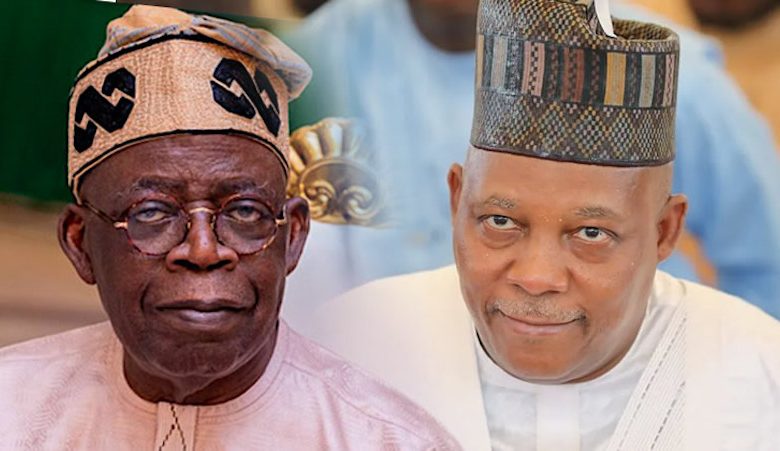
In the wake of the simultaneous absence of both Nigeria’s President Bola Tinubu and Vice President Kashim Shettima, the country finds itself at a crossroads, with citizens once again questioning the state of leadership. This situation has prompted Bayo Onanuga, the Special Adviser to the President (Information and Strategy), to release a statement, assuring Nigerians that “there is no vacuum in leadership” despite the president being on a two-week working vacation and the vice president being abroad for an official visit. According to Onanuga, the country’s governance is on autopilot, with various state organs functioning as usual, and the president and vice president fully engaged via virtual means, issuing directives from abroad.
However, such reassurances are insufficient in addressing the core issue at hand: the fact that the two highest political leaders of the country are both absent simultaneously raises legitimate concerns about the practical implications of such absences on governance and the message it sends about leadership in Nigeria. While the presidency may point to historical precedents where similar situations occurred under previous administrations, the fact remains that the repetition of such occurrences does not make them right, nor does it validate the absence of the nation’s most critical leaders at the same time. In a country where transparency and accountability are in short supply, the physical absence of key leaders is symbolic of deeper systemic issues that need to be addressed.
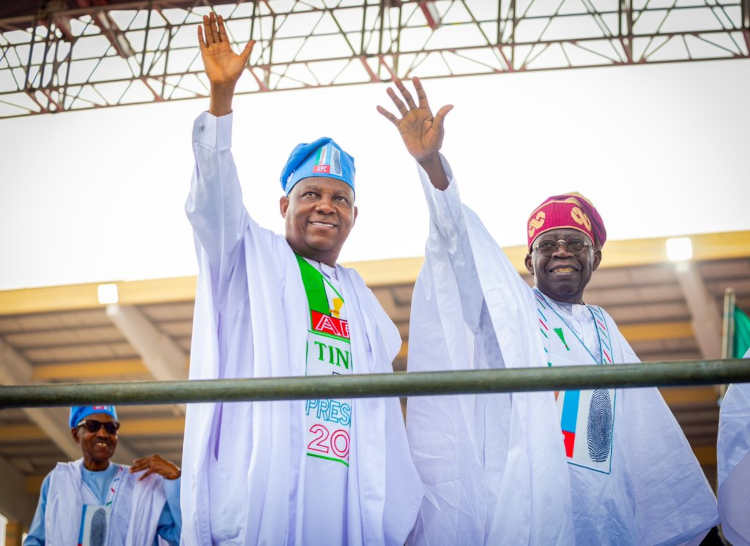
Leadership, particularly at the highest levels, is not merely about issuing directives or attending international summits. It is about presence, both symbolic and practical. While modern technology has made virtual governance a reality, there is an irreplaceable value in the physical presence of leaders. This is particularly true in countries like Nigeria, where citizens often feel disconnected from their government and where crises, both economic and social, require hands-on leadership. The president and vice president represent more than just policymakers; they embody the state, and their absence, whether or not it disrupts the daily machinery of government, creates a vacuum in the eyes of the populace.
In recent months, Nigeria has faced numerous challenges, from inflation to insecurity, and the rising cost of living has placed a significant strain on the average Nigerian. These are not issues that can be adequately addressed through occasional phone calls or virtual meetings from abroad. The symbolic act of being physically present in the country during times of difficulty conveys empathy and a commitment to finding solutions. A president who chooses to take a vacation, no matter how “working” it may be, at a time when the country is struggling, risks being perceived as disconnected from the plight of the people.
Onanuga’s statement cites previous instances where both the president and vice president were absent simultaneously, as if to suggest that because it has happened before, it is acceptable. One such example is when former President Muhammadu Buhari and Vice President Yemi Osinbajo were both abroad in 2022, with Buhari attending the United Nations General Assembly (UNGA) and Osinbajo attending the funeral of Queen Elizabeth II. While these trips were important, they were also criticized at the time, with many Nigerians raising concerns about the lack of leadership presence within the country. Repeating a mistake does not make it less of a mistake.
It is also important to note that under Buhari’s administration, his frequent medical trips abroad became a point of contention for many Nigerians. His prolonged absences, which sometimes lasted for months, were a source of national frustration, with citizens left to speculate about the state of governance and even the president’s health. The lessons learned from that era should not be disregarded. Nigerians want and deserve visible leadership that remains engaged, particularly in times of crisis. While the Constitution may allow for the delegation of responsibilities, it does not negate the importance of a leader’s physical presence in the country they govern.
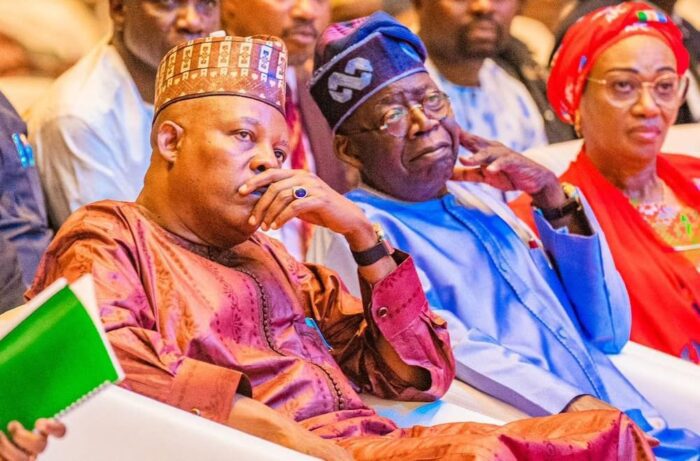
One of the key points made in Onanuga’s statement is that the Nigerian Constitution does not explicitly require the physical presence of the president or vice president within the country to fulfill their duties. This argument, while legally accurate, misses the point. Just because something is not constitutionally mandated does not mean it is in the best interest of the nation. Leadership is about more than meeting the minimum requirements set by law; it is about setting a standard of excellence, of being present for the people, and of understanding the challenges on the ground.
In today’s virtual age, where remote work is increasingly common, it is easy to argue that leaders can manage the affairs of state from anywhere in the world. But governance, particularly in a developing country like Nigeria, cannot be compared to corporate remote work. The issues Nigeria faces are complex, and they require leaders who are not only engaged but who are also seen to be engaged. When both the president and vice president are absent from the country, it creates a perception, rightly or wrongly, that they are detached from the immediate concerns of their citizens.
Nigeria has long struggled with issues of accountability, and the absence of the country’s top leaders only exacerbates these concerns. The president and vice president are the ultimate decision-makers, and while ministers, service chiefs, and other government officials may continue to perform their duties, the absence of the country’s highest officeholders signals a potential lack of oversight. This raises important questions: Who is ultimately responsible when key decisions are being made in the absence of the president and vice president? And how can the public hold their leaders accountable when those leaders are not physically present to answer for their actions?
In times of political and economic turmoil, citizens look to their leaders for direction and reassurance. When those leaders are absent, it creates uncertainty and fuels distrust in the government’s ability to effectively manage the nation’s affairs. The president and vice president have a responsibility to be present, to demonstrate that they are actively engaged in solving the country’s problems, and to ensure that the government is functioning as it should.
While Onanuga’s statement seeks to downplay the significance of both the president and vice president being out of the country simultaneously, it fails to address the core issue: leadership is not just about issuing directives from abroad; it is about being present for the people. The fact that previous administrations have allowed similar situations to occur does not make it right. Nigerians deserve a government that is not only functional but also visibly engaged with the challenges the country faces. In a time of economic hardship and widespread discontent, the absence of the president and vice president sends the wrong message to the people. Leadership requires presence, accountability, and responsibility, all of which are undermined when the nation’s highest leaders are absent from the very country they are sworn to serve.


























You must be logged in to post a comment Login