National Issues
Addressing The Charcoal Dilemma -By Abachi Ungbo
Nigeria’s forest cover is fast diminishing. Unless decisive action is taken, the country may lose its entire forest cover, which is currently estimated at between 10 and 12% of the country’s total landmass, by the year 2052 given the prevailing deforestation rate of 3.5%.

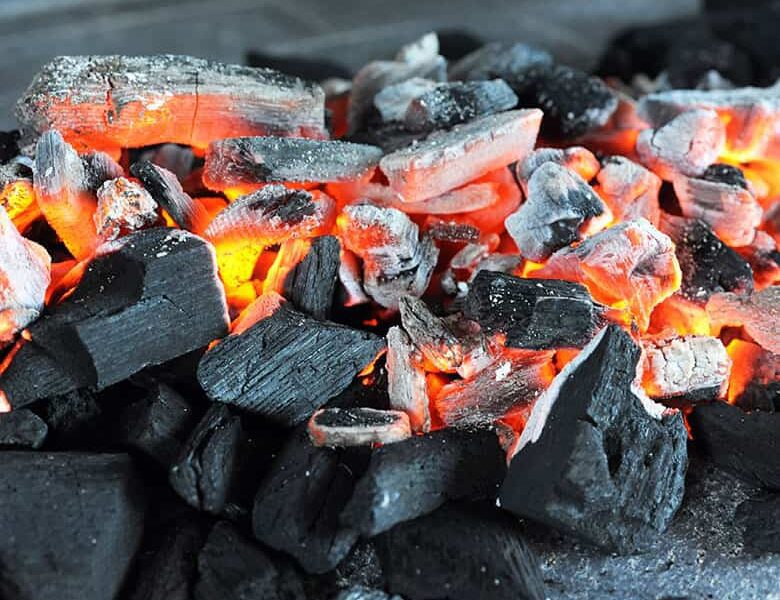
All manner of vehicles laden with wood charcoal are ubiquitous on our highways, as are the heaps that line the major roads. Charcoal has become a dominant business in the rural economy, supporting numerous livelihoods. Its utilization has effectively extended from rural to peri-urban and urban areas.
The incidence of poverty and harsh economic realities are forcing many to weigh their energy choices, which has spawned a stratospheric rise in the demand for cheaper energy. In effect, it has markedly snowballed into a multi-billion-naira industry. A contributory factor has been the export value, which has continued to yield huge benefits owing to the product’s multiplicity of uses.
Charcoal production occurs through a process of pyrolysis, which involves the burning of energy biomass, such as wood, in the absence of oxygen using earthen kilns. This production method is inefficient because massive volumes of wood are needed to produce small quantities of charcoal. This drives deforestation, as many trees are felled to fuel the process. Furthermore, incomplete combustion leading to the release of carbon monoxide is responsible for respiratory challenges.
Regrettably, trees, regardless of their importance, are unsustainably harvested. The consequence is the depletion of forest resources as the appetite for charcoal continues to grow. It is unfolding at an alarming pace. A case in point regarding the ills of unsustainable tree harvesting is Haiti. Extensive literature and commentary have placed the degradation and shrinking of the country’s forest—and the environment by extension—at the doorstep of charcoal production. This occurs alongside other factors, primarily population expansion and agricultural activities that lead to farmers encroaching upon the forest.
Nigeria’s forest cover is fast diminishing. Unless decisive action is taken, the country may lose its entire forest cover, which is currently estimated at between 10 and 12% of the country’s total landmass, by the year 2052 given the prevailing deforestation rate of 3.5%.
It is instructive to state that forests are the largest land-based carbon sinks that help combat greenhouse gases. Trees absorb atmospheric carbon through photosynthesis, converting it into glucose for growth. They basically store carbon in different parts, such as leaves, roots, and wood, as well as in the soil. Consequently, the destruction of trees leads to the emission of greenhouse gases, notably carbon dioxide. As forests are cleared of trees, water running on the surface of the soil washes away the topsoil, engendering erosion and flooding.
Paradoxically, despite the significant negative narratives that surround it, charcoal remains a substantial source of foreign exchange. This economic reality should spur the government into placing the charcoal trade strictly under its watch.
Nigeria is the largest producer of charcoal in Africa, with a huge international market in Europe and the Middle East. According to Market Data Forecast (a market research company), the global charcoal market size is projected to grow from an estimated market value of USD 7.12 billion in 2026 to USD 11.18 billion by 2034, at a CAGR of 5.80%. Evidently, there is much to gain from the charcoal market with proper preparation and government oversight.
Already, many individuals are making prodigious capital out of the commodity, while the government is missing out on the needed revenues. The use of charcoal and wood has been a traditional energy source, which will certainly make it difficult to suddenly wean off the huge community of users. Furthermore, the idea of proscribing or shaming charcoal altogether—in the face of its widespread use, export value, and role as a livelihood source—will only intensify its trading through illicit backchannels.
It is necessary to bear in mind that the charcoal industry is poorly regulated and largely informal, which contributes to widespread deforestation and the disruption of the ecosystem. A strict regulatory framework and the enforcement of its provisions are needed to ensure environmental protection, safeguard against deforestation, and protect economic trees.
In addition, there must be a push to encourage better and cleaner production methods, which means jettisoning traditional earthen kilns. Promoting an aggressive afforestation and reforestation drive is also vital. The ultimate goal should be marked by sustainability improvements in charcoal production and the enhancement of the value chain.
It is essential to work with local communities, civil society and traditional leaders to raise awareness about the importance of sustainable forest management and proper charcoal production. The absence of a robust and actionable framework remains a major pathway for forest destruction. However, it is important to state that wood charcoal will remain a significant part of the energy mix, not only in Nigeria but also across sub-Saharan Africa, for the foreseeable future.
Finally, it is necessary to pivot attention toward the production of charcoal from alternative sources, notably agricultural waste like shea-nut shells, rice husks, and coconut shells, which can be converted into briquettes. Briquettes are produced by compressing locally sourced agricultural waste mixed with binding materials like starch. This presents a sustainable form of energy with zero adverse health effects.
Abachi Ungbo
abachi007@yahoo.com