Africa
Balthazar Ebang Engonga Acquitted: A Case Of Privacy, Consent, And Accountability In The Digital Age, by Isaac Asabor

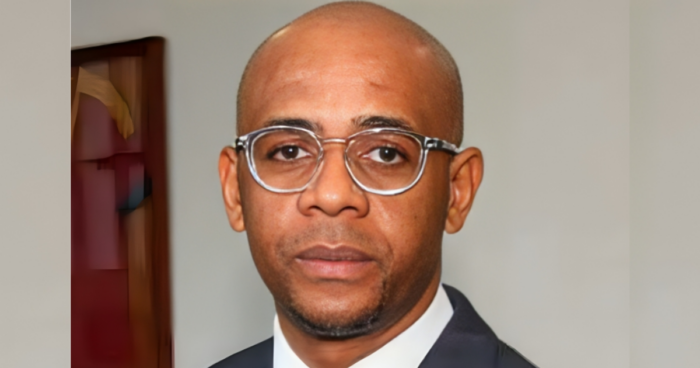
Balthazar Ebang Engonga, the nephew of Equatorial Guinea’s long-serving President Teodoro Obiang, has been acquitted by the country’s Supreme Court after facing a high-profile case involving intimate videos that made waves, both locally and internationally. The court’s ruling, which dismissed all charges against Mr. Engonga, was grounded on the lack of evidence to support the allegations, as well as the assertion that all parties involved in the videos were consenting adults.
This case first attracted attention after compromising footage of Mr. Engonga surfaced online, sparking a media frenzy. The court’s ruling brought clarity to the situation, stating that medical tests confirmed there was no transmission of sexually transmitted diseases, further cementing Engonga’s claim of innocence. However, beyond the acquittal, the case has brought to light broader issues surrounding privacy, consent, accountability, and the implications of the digital era on personal and professional lives.
The release of intimate videos of public figures is a frequent topic of discussion in today’s digital world, where personal lives are often exposed without permission. The leak of videos involving Mr. Engonga was no different, attracting significant media coverage and public attention. The nature of the videos was compromising, and the shockwaves reverberated far beyond Equatorial Guinea, drawing international scrutiny. As the videos spread on various platforms, they became a spectacle, fueling gossip and speculation about the private lives of the individuals involved.
Despite the sensationalism of the situation, Mr. Engonga has maintained that the individuals shown in the videos were consenting adults. The Supreme Court, in its judgment, supported this assertion, and the ruling emphasized the lack of any evidence to suggest non-consensual behavior. Medical tests were also conducted, which proved that there were no sexually transmitted diseases involved in the case, further supporting Mr. Engonga’s defense.
However, the public’s reaction to the videos did not stop at the question of consent. In an unexpected twist, several married men whose wives appeared in the footage expressed gratitude to Mr. Engonga. These men explained that the videos had revealed hidden aspects of their marital lives, prompting some to seek divorce. This development is a stark reflection of the complexities of modern relationships and the role that privacy, trust, and transparency play in marriage.
For many, the case became more than just a scandal involving a public figure, it became a symbol of the digital age’s power to expose even the most intimate corners of our lives. The internet, which has the potential to connect and inform, can also serve as a tool for destruction, often without regard for the emotional consequences.
In response to the leak, Mr. Engonga has vowed to take legal action against those responsible for disseminating the videos. He described the leak as a serious violation of his privacy, one that has caused significant emotional distress to his family. His wife, in particular, was deeply affected by the ordeal, as were many of the other people featured in the footage. The emotional toll that such an invasion of privacy takes on individuals is often underestimated. In Mr. Engonga’s case, it not only impacted his personal life but also his professional reputation and the public’s perception of him.
The issue of privacy in the digital age is complex, as the boundaries between public and private life are increasingly blurred. While public figures often have their personal lives scrutinized, the leak of private content without consent raises ethical questions. Who owns the right to one’s personal data, and what happens when that data is shared without permission? The actions of those who leaked the videos, and the subsequent viral spread of the footage, pose critical questions about accountability and the ethics of digital content sharing.
In many ways, this case highlights the difficulty of navigating the online space, where personal information is often treated as currency and privacy is viewed as a luxury. As social media platforms and online spaces become more pervasive, the consequences of sharing intimate content without consent are far-reaching. The damage done to individuals’ lives is not just legal but deeply personal, affecting their families, relationships, and mental well-being.
Before the scandal, Mr. Engonga was known for his role as the head of the National Financial Investigation Agency (ANIF) in Equatorial Guinea. In this capacity, he worked to combat financial crimes such as money laundering and illicit financial flows. He was seen as a key figure in the fight against corruption, particularly in a country where transparency and accountability in government finances have long been concerns.
However, after his arrest on October 25, 2024, allegations surfaced that he had embezzled substantial amounts of state funds, hiding them in offshore accounts. These allegations added an additional layer of complexity to an already controversial case. Despite being publicly accused of financial crimes, Mr. Engonga has not yet addressed these charges in public, leaving much to be speculated about the true nature of the case. His arrest brought him into the crosshairs of both his critics and supporters, leading to questions about his professional conduct and the personal scandal that followed.
The combination of his work in law enforcement and his personal indiscretions has raised eyebrows, particularly given the increasing attention on corruption within the government. His arrest and the subsequent revelations about his private life have cast a shadow on his professional reputation, forcing people to question the integrity of individuals in positions of power.
After his arrest, Mr. Engonga was imprisoned in Malabo’s infamous Black Beach prison, a facility notorious for its harsh conditions and its treatment of political opponents. Black Beach prison has long been associated with human rights abuses, with numerous reports documenting the mistreatment of detainees, particularly those viewed as enemies of the government. The prison has become a symbol of the oppressive nature of the country’s justice system, which has drawn international condemnation over the years.
For Mr. Engonga, his imprisonment in Malabo’s infamous Black Beach prison was a traumatic experience that only added to the already complicated nature of his case. The brutal conditions of the prison have been documented in multiple reports, with former detainees recounting instances of physical abuse, torture, and inadequate medical care. The prison has become a focal point in discussions about the government’s treatment of those it deems a threat, further fueling skepticism about the fairness of the country’s legal system.
One of the most striking aspects of this case is how technology, particularly the internet and social media, has played a central role in the unfolding drama. The leak of the intimate videos and their subsequent virality on social platforms demonstrated the immense power that digital content holds. While technology has made information more accessible and communication more instantaneous, it has also raised ethical questions about the sharing of private content without consent.
The ease with which personal videos and photos can be shared in the digital era has led to an explosion of online content, much of which is not intended for public consumption. The unintended consequences of this are vast, and they often include emotional distress, reputational damage, and legal ramifications for those involved. The sharing of intimate content, whether for revenge, profit, or entertainment, has become an all-too-common occurrence, and the impact it has on the lives of those affected cannot be underestimated.
As a society, we must reckon with the ethics of digital content sharing and its consequences. While freedom of speech and access to information are fundamental rights, they should not come at the expense of an individual’s right to privacy and dignity. The case of Balthazar Ebang Engonga serves as a stark reminder of how quickly personal information can be weaponized, and how the digital world can invade our private spaces in ways that are both harmful and irreversible.
This case highlights several critical issues surrounding consent, privacy, and accountability in the digital age. It also underscores the need for stronger legal frameworks to protect individuals in an era where the boundaries between the private and public spheres are increasingly difficult to define. In particular, it calls attention to the dangers of sharing intimate content online and the emotional toll that such invasions of privacy can have on those involved.
The actions of those responsible for leaking the videos, coupled with the wider public reaction, show how digital media can reshape our understanding of consent and accountability. As the world becomes more connected through the internet, it is essential that we address the ethical and legal implications of digital content sharing. The case of Mr. Engonga is a poignant reminder of the power of technology in modern society, and the importance of respecting privacy in an increasingly transparent world.
This incident may have concluded with an acquittal, but the broader questions it raises about consent, privacy, and accountability in the digital age are far from settled. As we continue to navigate the complexities of the online world, it is vital that we remain vigilant in safeguarding the rights and dignity of individuals, both in their personal and professional lives.