
Africa
Borno State Government’s Commitment To Flood Victims, by Destiny Bala

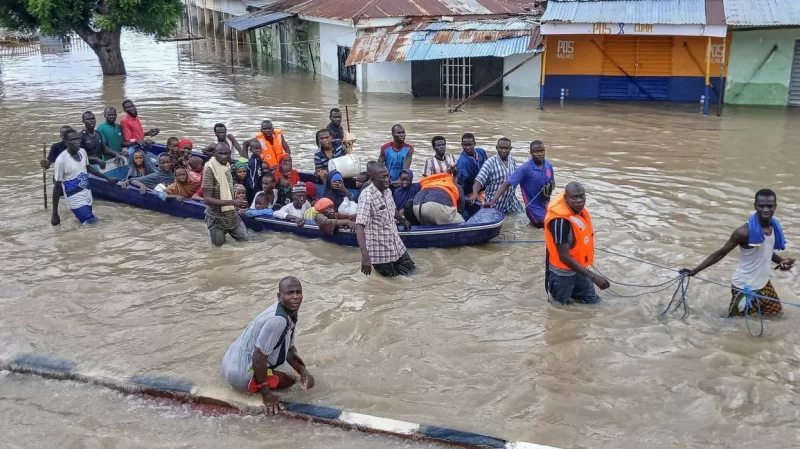
In recent months, devastating floods swept through Maiduguri and other parts of Borno State, leaving tens of thousands displaced and their livelihoods destroyed. This disaster has brought untold suffering to affected residents, amplifying the vulnerabilities of communities already grappling with the residual effects of insurgency and poverty. Amid this crisis, the Borno State Government, under the leadership of Governor Babagana Umara Zulum, has demonstrated a commendable commitment to addressing the needs of flood victims. However, the scope of the disaster underscores the urgency of sustainable interventions and long-term solutions.
Flooding in Borno State, as in other parts of Nigeria, is no longer an unusual occurrence. Driven by a combination of heavy rains, poor urban planning, clogged drainage systems, and climate change, the floods have become more severe over the years. This year’s floods were particularly destructive, with vast swathes of residential and farming areas submerged, leaving families without shelter, food, or clean water. Schools and public infrastructure were also significantly damaged, adding to the state’s already burdened resources.
Governor Zulum’s administration acted swiftly to mitigate the impact of the disaster. Emergency relief materials, including food supplies, mattresses, blankets, and mosquito nets, were distributed to displaced persons. Camps were set up to provide temporary shelter, and makeshift health centers were established to address immediate medical needs. The government also partnered with international organizations, such as the United Nations High Commission for Refugees (UNHCR) and the International Committee of the Red Cross (ICRC), to scale up humanitarian interventions.
In a bid to inspire confidence and solidarity, Governor Zulum personally visited flood-affected areas, an act that resonated deeply with the victims. These visits highlighted the administration’s concern for the welfare of its citizens and underscored its commitment to providing support. However, victims’ needs extend far beyond temporary relief, pointing to the need for long-term rehabilitation and recovery plans.
Despite the government’s efforts, many flood victims have raised concerns about the adequacy of support. Reports from camps indicate overcrowding, poor sanitary conditions, and a lack of basic necessities such as clean water and sufficient food supplies. This has heightened the risk of disease outbreaks, particularly cholera and malaria, which are common in post-flood situations. While emergency interventions have provided some respite, they remain insufficient to address the scale of the disaster comprehensively.
Rehabilitation efforts have also been slow in gaining traction. Damaged homes and infrastructure, including roads, bridges, and drainage systems, require significant resources and time to rebuild. Many families, particularly those in low-income neighborhoods, lack the means to repair their homes, leaving them vulnerable to further displacement. Farmers, whose fields were destroyed, are also at risk of losing their livelihoods, compounding food insecurity in the region.
Recognizing the need for sustainable solutions, the Borno State Government has announced plans to rebuild damaged infrastructure and construct more resilient housing for displaced persons. The government has emphasized the importance of incorporating flood-resistant designs in future construction projects to mitigate the impact of similar disasters. Plans are also underway to dredge waterways and expand drainage systems to improve the state’s capacity to manage heavy rainfall.
Governor Zulum has called for increased collaboration between the state government, federal agencies, and international partners to pool resources and expertise. The state’s Ministry of Environment has been tasked with conducting assessments to identify flood-prone areas and develop proactive measures to prevent future disasters. Additionally, public awareness campaigns are being launched to educate residents about waste disposal and other practices that contribute to flooding.
Civil society organizations and humanitarian groups have played a pivotal role in supporting flood victims. Organizations such as the Red Cross, Médecins Sans Frontières (MSF), and other local NGOs have provided medical care, food, and clean water to affected communities. Donations from well-meaning individuals and corporate organizations have also supplemented government efforts.
Destiny Bala a 300 level student from Mass Communication Department University of Maiduguri.

























You must be logged in to post a comment Login