National Issues
Can Nigerians Expect Affordable Fuel As Major Marketers Join NNPCL At Dangote Refinery?, by Isaac Asabor

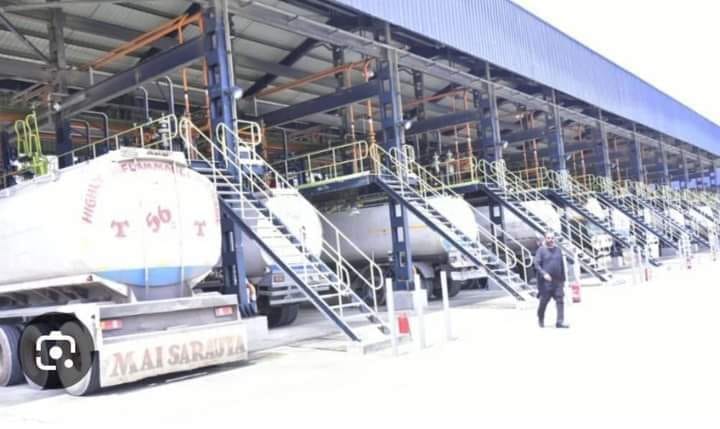
With major oil marketers now joining the Nigerian National Petroleum Company Limited (NNPCL) in lifting fuel from the Dangote Refinery, Nigerians are holding their breath. This development, while initially seen as a promising step toward stabilizing fuel availability and reducing prices, has also triggered concern. Could this partnership lead to more affordable fuel for everyday citizens, or will it result in a continuation of high prices and market instability?
The promise of Nigeria’s locally produced fuel has long been a beacon of hope for a nation grappling with rising energy costs and the persistent threat of scarcity. However, many fear that without a transparent, competitive market structure, Nigerians may continue to suffer from exorbitant fuel prices and periodic shortages, despite the presence of one of the largest refineries in the world on home soil.
It will be recalled in this context that the Dangote Refinery, located in Lekki Free Trade Zone, Lagos, was conceived as a game-changer for Nigeria’s energy sector. Boasting a refining capacity of 650,000 barrels per day, the refinery is the largest in Africa and is set to produce enough refined petroleum products not just for local consumption but for export across West Africa.
For decades, Nigeria has been paradoxically dependent on imported fuel despite being one of the largest oil producers in the world. This is primarily due to the inefficiency of its existing refineries and a lack of investment in local production. The country has hemorrhaged billions of dollars on subsidies to keep imported fuel affordable for Nigerians; a system that economists argue was neither sustainable nor beneficial to the long-term health of the economy.
Enter the Dangote Refinery, which was expected to turn the tide by making Nigeria self-sufficient in petroleum refining. By producing fuel domestically, it was hoped that the country could reduce its reliance on imports, save foreign exchange, and stabilize the domestic fuel market. The expectation was simple: cheaper, more available fuel for all Nigerians.
In a recent development, major fuel marketers have joined NNPCL in lifting fuel from the Dangote Refinery. This is significant because, traditionally, NNPCL (formerly NNPC) has been the primary body overseeing fuel imports and distribution. Now, independent marketers are also sourcing fuel directly from the refinery, raising hopes that this could lead to increased competition in the market.
But for many Nigerians, this development brings mixed emotions. While competition between NNPCL and independent marketers could ideally drive prices down and ensure a stable supply of fuel across the country, history has shown that Nigeria’s fuel market has rarely operated under ideal conditions. Instead, it has often been plagued by price-fixing, hoarding, and artificial scarcity, all to the detriment of the ordinary consumer.
With marketers now actively lifting fuel from the Dangote Refinery, questions have been raised about the actual impact this will have on fuel prices. Will the forces of demand and supply be allowed to operate freely, or will marketers resort to the same tactics that have kept prices high and supply inconsistent for years?
At the heart of this issue is the concept of an ideal market structure. In such a market, prices are determined by competition among many sellers, and consumers benefit from fair pricing and ample supply. However, Nigeria’s fuel market has been notorious for operating under less-than-ideal conditions. Cartels, monopolies, and regulatory lapses have often conspired to keep fuel prices artificially high, even when global oil prices drop.
The entrance of major marketers alongside NNPCL in lifting fuel from Dangote’s refinery should theoretically enhance competition, thus driving prices down. But without strong oversight from regulatory agencies, this scenario may not materialize. Instead, there is a real fear that these marketers could be in cahoots, as they have done in the past, to fix prices and manipulate supply.
Already, Nigerians are bracing themselves for the possibility that despite increased local production, fuel prices may not drop as significantly as hoped. The lack of transparency in pricing mechanisms, combined with the potential for price gouging by marketers, could keep fuel costs out of reach for many Nigerians. If this happens, it would mark a significant failure in the promise of the Dangote Refinery to bring affordable fuel to the masses.
Since the removal of fuel subsidies earlier this year, the price of petrol has skyrocketed, placing an immense burden on consumers. The price hike was a bitter pill to swallow, as it came with the promise of eventual relief through local refining. The reasoning was simple: with fuel being produced domestically, and with the elimination of costly imports and subsidies, the cost of fuel would naturally come down.
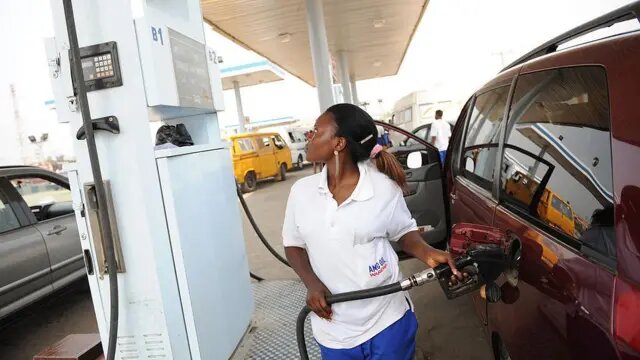
However, that promise has yet to be fulfilled. Even as marketers begin lifting fuel from the Dangote Refinery, the price of petrol remains high, and the prospect of affordable fuel for everyday Nigerians seems distant. The current reality is that consumers are paying significantly more at the pump while still dealing with sporadic shortages and supply issues.
This disconnect between the promise of the refinery and the current market reality has led to growing frustration. Many Nigerians are asking: what happened to the dream of affordable fuel? And what does the future hold if the entry of major marketers doesn’t lead to the expected price drop?
For Nigerians to enjoy the benefits of locally refined fuel there must be strong regulatory oversight to ensure that the market operates fairly. The Nigerian Midstream and Downstream Petroleum Regulatory Authority (NMDPRA) must play a central role in preventing price-fixing, hoarding, and any anti-competitive practices that could keep prices artificially high.
Transparency is key. Nigerians deserve to know how fuel prices are being determined, and why the price at the pump remains high despite increased domestic production. The government must hold marketers accountable and ensure that the supply chain, from refinery to the filling station, operates efficiently and fairly.
Furthermore, there needs to be a push to expand Nigeria’s refining capacity beyond just the Dangote Refinery. While the refinery is a significant achievement, it cannot be the sole answer to Nigeria’s fuel needs. Encouraging investment in additional refineries and diversifying the market will help ensure that no single player can dominate the sector and keep prices artificially high.
Nigeria stands at a critical juncture. With the largest refinery in Africa now operational on its soil, the country has an unprecedented opportunity to finally solve its long-standing fuel crisis. But the question remains: will this opportunity be squandered?
If the ideal market structure fails to emerge, and if marketers continue to manipulate prices and supply, then the hope of affordable fuel for the average Nigerian will remain just that; hope. The government, regulatory bodies, and all stakeholders must work together to ensure that the promise of the Dangote Refinery does not turn into another missed opportunity.
As the country navigates this new phase of fuel distribution, the stakes could not be higher. If the right steps are taken, Nigeria could soon enjoy a stable, affordable fuel market. But if history is any guide, the road ahead is fraught with challenges.
Without an ideal market structure and strong regulatory oversight, Nigerians could continue to face high fuel prices and erratic supply, despite having one of the largest refineries in the world in their backyard. For now, as Nigerians, we must watch closely, hoping that this time, the promise of affordable fuel does not slip through our fingers.