Forgotten Dairies
Captured Elections and the Crisis of Trust in Nigeria -By John Kokome
In the end, the survival of Nigeria’s democracy hinges on breaking this Triangle of Betrayal. Elections must be restored as a genuine expression of the people’s will, rather than a product of elite bargaining. Until then, democracy will remain an unfulfilled promise, and the trust that underpins it will continue to erode.

In any democracy, elections are meant to be the ultimate expression of the people’s will, a sacred process where power flows from the ballot, not from backroom bargains. In Nigeria, however, that ideal is increasingly under siege. What has emerged over time is a troubling triad, a “Triangle of Betrayal” comprising politicians, the electoral umpire, and the judiciary. Together, whether by action, inaction, or complicity, they have contributed to the erosion of electoral integrity and public trust.
At the base of this triangle are the politicians, the most visible actors in the democratic process. Nigerian politics, for many, has become less about service and more about conquest. Elections are treated as zero-sum battles where victory must be secured at all costs. Vote-buying, intimidation, ethnic mobilisation, and the weaponisation of poverty have become normalised tactics. Rather than compete on ideas, many politicians invest in manipulating systems, institutions, and, ultimately, the electorate itself.
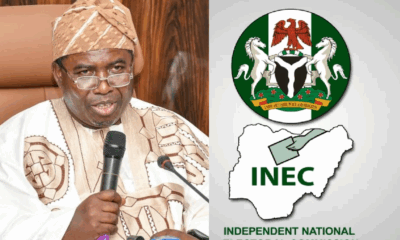
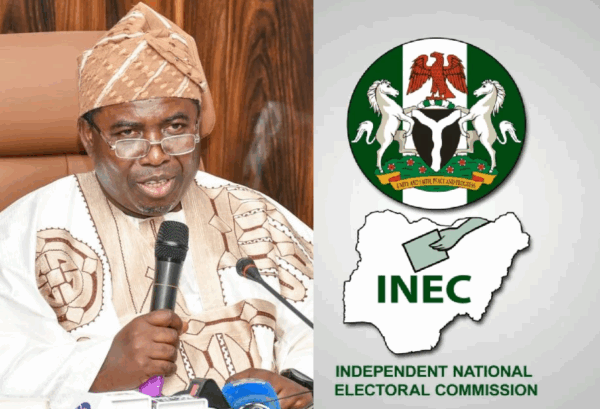
But politicians alone cannot capture elections without an enabling environment. This is where the Independent National Electoral Commission (INEC) comes in. As the constitutionally mandated umpire, INEC is expected to be neutral, transparent, and efficient. Yet, recurring logistical failures, delayed transmission of results, and inconsistent application of electoral guidelines have cast long shadows over its credibility. Elections have been marred by technical glitches that conveniently appear at critical moments, raising suspicions about whether these failures are merely accidental or strategically orchestrated.
The introduction of technological innovations, such as the electronic transmission of results, was meant to restore confidence. However, when such systems falter without clear accountability, they deepen public scepticism. Citizens begin to question not just the competence of the institution, but its independence. In a country where trust is already fragile, every perceived compromise by INEC feeds into a broader narrative of systemic manipulation.
Completing this triangle is the judiciary, the final arbiter in electoral disputes. Ideally, the courts serve as a corrective mechanism, ensuring that justice prevails where the electoral process fails. In reality, however, the judiciary has increasingly been drawn into controversy. Conflicting judgments, technical dismissals of substantive cases, and rulings that appear disconnected from public expectations have fueled accusations of judicial compromise.
Election petitions, which should be resolved on the merit of evidence and the spirit of justice, often hinge on procedural technicalities. In some cases, candidates who did not appear to win the popular vote are declared victors through court decisions, further alienating citizens. The perception, whether accurate or not, that judicial outcomes can be influenced by political pressure or financial inducement is perhaps the most dangerous development of all. When the last hope of the common man is seen as compromised, the entire democratic project is at risk.
This Triangle of Betrayal has profound implications. First, it undermines voter confidence. Why should citizens queue for hours under the sun if they believe their votes will not count? Voter apathy, already a growing concern in Nigeria, is both a symptom and a consequence of this broken system. Democracy cannot thrive when participation becomes an exercise in futility.
Second, it weakens governance. Leaders who emerge from flawed processes often lack legitimacy, making it harder for them to govern effectively. Public trust in government policies diminishes, and the social contract between the state and its citizens begins to fray. In such an environment, accountability becomes elusive, and impunity thrives.
Third, it poses a threat to national stability. Elections are high-stakes events not only in Nigeria, but across the world, often accompanied by tensions and, in some cases, violence. When outcomes are perceived as unjust, these tensions can escalate, leading to unrest and deepening societal divisions.
Breaking this triangle requires deliberate and sustained reforms. Politicians must be held to higher ethical standards, with stricter enforcement of electoral laws and severe consequences for malpractice. INEC must strengthen its institutional independence, invest in robust and transparent technologies, and ensure real-time accountability for its operations. The judiciary, on its part, must recommit to the principles of fairness, consistency, and courage, resisting any form of external influence.
Beyond institutional reforms, there is a need for civic awakening. Citizens must demand accountability, not just during elections but in the periods between them. Civil society, the media, and the international community all have roles to play in safeguarding Nigeria’s democracy.
In the end, the survival of Nigeria’s democracy hinges on breaking this Triangle of Betrayal. Elections must be restored as a genuine expression of the people’s will, rather than a product of elite bargaining. Until then, democracy will remain an unfulfilled promise, and the trust that underpins it will continue to erode.
John Kokome
A Communications Strategist and Public Affairs Analyst writes from Lagos
kokomejohn@yahoo.com