
National Issues
Deepening Nigeria’s Democracy, by Ike Willie-Nwobu
Where Muhammadu Buhari preferred to surround himself with tribal leaders from the North, giving their parochial views the gravitas of law, President Tinubu has shown the kind of openness that democracy is so fond of.

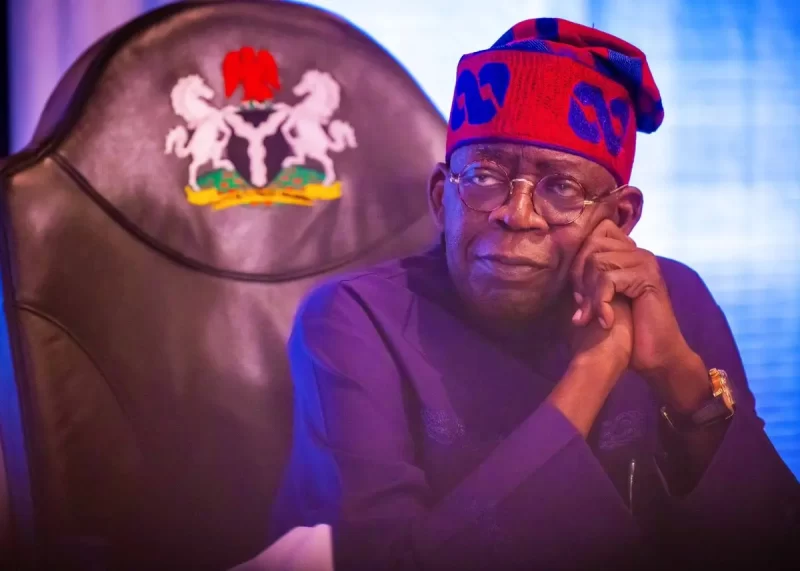
Nigeria’s June 12 celebration of its democracy day is itself a historical thumbs up to the distance the country has covered in the past two decades. June 12, 1993, was the day Nigeria held an election deemed free and fair amidst a repressive military regime, which turned out to be a cruel charade that ushered in a more brutal military regime. The winner of that election, M.K.O Abiola, which was annulled, died in custody just a year before Nigeria returned to democracy in 1999.
If history holds lessons for Nigeria’s democracy, it is one of resilience and rootedness found in the will of the Nigerian people and repeatedly dipped in blood over the years – like at the Lekki Toll Gate in 2020.
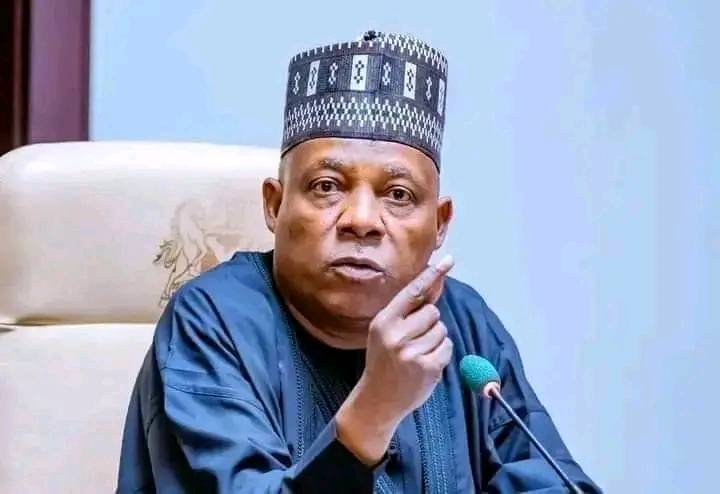
Twenty four years later after its epochal return, Nigeria’s democracy is all cause for celebration especially with President Bola Ahmed Tinubu in power. The president may be flawed, like every other person and president. His presidency may be as imperfect as the country and humanity that sustain it, but the small steps made so far show a man who knows the stringent demands of democracy and is prepared to walk its painful path.
President Tinubu’s readiness to embrace the sacrifices that democracy demands departs from the misadventures of his predecessor who preferred a militarized kind of democracy marked by understated autocracy and insularity. The clear difference between the two governments can be explained by the different backgrounds of the two men in charge. One a former military coup plotter, the other a democrat at heart who once found the courage to go on exile to court the democracy he believed in. It also has something to do with courage and counsel.
Where Muhammadu Buhari preferred to surround himself with tribal leaders from the North, giving their parochial views the gravitas of law, President Tinubu has shown the kind of openness that democracy is so fond of.
This key difference in personality and politics has reflected in appointments made so far. While Muhammadu Buhari deemed only people of his ethnic and religious stock fit enough for key security and government positions, mostly ignoring people from the Southeast, President Tinubu has been willing to deal every section of the country a fairer hand.
This inclusive approach has been key to tackling the insecurity that reduced the country to such chaos between 2015 and 2023. It has also taken a lot of sting out of secessionist agitations within the country.
There is a distinct feeling that he will do more the longer he stays in office. The president’s approach is the balm that democracy offers, the elixir to the divisions that are inevitable in the coming together of many disparate parts.
Like mathematics, democracy is about numbers and power. For democracy to operate smoothly, the majority as well as the minority must have access to clear and uncluttered space at the table. While power must remain with the people being the majority, democracy is often fair enough to include the minority whose feeling of exclusion can lead to dangerous levels of animosity and hostility.
In a country where democracy has not always reflected diversity, reducing political appointments to ethnic or sectarian affairs is a recipe for the kind of disaster that was the Muhammadu Buhari presidency. In electing Tinubu who went into exile in the days when Nigerians fought to restore democracy, Nigerians went for someone who had made sacrifices for the country and democracy, someone who knew and loved democracy enough to fight and flee for it.
The 2023 elections may have been deeply flawed the way Nigeria’s democracy has remained deeply flawed since 1999. But something is cooking, and has been cooking for twenty-four unbroken years. In a continent brimming with dictators and their pseudo democracy, it is no mean feat for a country of Nigeria’s size and challenges to have emerged from thirteen years of military rule to sustain democracy for more than two decades.
Slowly, Nigeria, surrounded by poor, landlocked crisis-ridden countries, has become a beacon of democracy. The military who have seized power in Mali,Guinea,Niger,Burkina Faso and Gabon as well as elsewhere in Africa know that Nigeria’s model repudiates as well as rebukes them for truncating democracy in their countries. President Tinubu showed as much in strongly reprimanding the coup plotters in Niger Republic shortly after he assumed office.
Nigeria remains a deeply divided country with many people waiting for the slightest opportunity to flash their ethnic and religious cards. It is also a country of many dictators and potential dictators many of whom have been sworn in as state governors. But with each day that passes, democracy makes a giant stride, increasing the distance between the country and the days when the military caused the country to bleed nonstop. This is worth celebrating, especially because stability comes from consistency and continuity and Nigeria’s democracy continues.
Democracy means freedom beginning from free speech, which is the fulcrum of all other freedoms. It means the freedom to vote and be voted for, it means freedom under the law. What democracy means is indescribable, and Nigerians must guard against the darkness that imperils what is invaluable precisely because it is indescribable.
Nigerians must agree to work together to sustain their democracy. It is beyond President Tinubu who is only a temporary totem of the transience of power tethered to Aso Rock. It is also beyond any ethnic or religious group. Sustaining Nigeria’s democracy is a fight for the present but especially for the future.
Nigerians must eschew a return to the past, especially for the sake of those fixed in the country’s future. For Nigerians to remain free of the cage that dictatorship is, vigilance is key.
Ike Willie-Nwobu,
Ikewilly9@gmail.com















You must be logged in to post a comment Login