
Africa
Democracy, Institutions, and the Rule of Law -By Kator Ifyalem
True democracy requires more than just the act of voting; it demands a comprehensive system of governance that respects the rights of all citizens, upholds justice, and promotes the common good. Strengthening these fundamental pillars (institutions, the rule of law, and values), is crucial in building more resilient, effective, and truly representative democracies that serve the needs of all citizens and contribute to global stability and prosperity. Where does Nigeria as a nation stand on this scale?

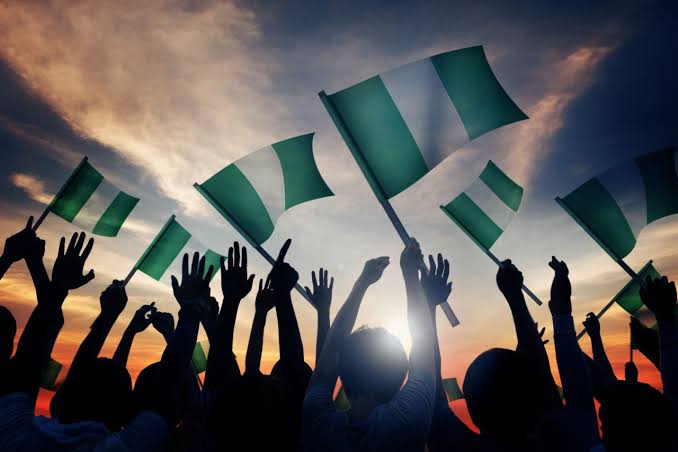
Democracy, often hailed as the cornerstone of modern governance, is a system that empowers citizens to participate in the decision-making processes that shape their lives. However, the mere existence of elections is not enough to ensure a fair, just, and prosperous society. Without robust institutions, the rule of law, and ingrained values, democracy can become a hollow shell, susceptible to corruption, manipulation, and eventual collapse.
At its core, democracy is built on the principle that power resides with the people. This power is exercised through fair elections, where citizens choose representatives to govern on their behalf. The effectiveness of this system relies heavily on the strength of supporting institutions, adherence to the rule of law, and shared values that guide societal behaviour.
Institutions serve as the backbone of a democratic society, translating the will of the people into action. These include governmental bodies such as the legislature, executive, and judiciary, as well as independent organizations like electoral commissions, anti-corruption agencies, and human rights commissions. These institutions provide checks and balances, ensuring that no single entity or individual can accumulate too much power. They create a framework for accountability, transparency, and effective governance.
An independent judiciary is crucial for upholding the constitution and protecting individual rights. Without it, laws can be manipulated or ignored by those in power, leading to tyranny. Similarly, a free and independent media acts as a watchdog, informing citizens and holding those in power accountable. When media institutions are weakened or controlled by vested interests, the flow of information is compromised, and citizens are unable to make informed decisions.
The rule of law is another critical component of a functioning democracy. It ensures that all citizens, regardless of their status or position, are subject to the same laws and legal processes. This principle is fundamental to creating a fair and just society where everyone’s rights are protected. A robust legal framework, consistently and fairly enforced, provides the predictability and security necessary for social and economic development. It protects property rights, enforces contracts, and creates an environment conducive to investment and growth.
Moreover, the rule of law is essential for protecting minority rights and preventing the tyranny of the majority. In a true democracy, the rights of all citizens must be respected, even if they are not part of the ruling majority. This protection is enshrined in laws and enforced through effective legal institutions.
Values form the third pillar of an effective democracy. These shared beliefs and principles guide societal behaviour and inform policy-making. Democratic values include respect for human rights, tolerance of diversity, commitment to justice, and belief in the equality of all citizens. When these values are deeply ingrained, they act as a safeguard against authoritarian tendencies and help preserve the integrity of democratic institutions.
For instance, a healthy democracy can be likened to a three-legged stool, where institutions, the rule of law, and democratic values form the legs. Just as a stool cannot stand stably without all three legs being strong and balanced, a democracy cannot function effectively if any of these elements is weak or missing. In Nigeria’s case, we’ve seen how weaknesses in one area, such as institutional challenges in election management, can put stress on the other legs, requiring the judiciary (rule of law) and civil society (democratic values) to bear more weight to maintain stability.
Education plays a crucial role in instilling these values. A well-informed citizenry, aware of their rights and responsibilities, is better equipped to participate meaningfully in the democratic process. Civic education programs that teach the principles of democracy, the importance of institutions, and the value of the rule of law are essential for creating engaged and responsible citizens.
The interplay between institutions, the rule of law, and values creates a self-reinforcing cycle that strengthens democracy. However, this cycle can also work in reverse. Weak institutions often lead to a breakdown in the rule of law, eroding democratic values and further weakening the system. This negative spiral will ultimately lead to the collapse of governance, even if the outward trappings of democracy remain.
To prevent this decline, concerted effort is required on multiple fronts. Institutional capacity must be built and maintained through adequate funding, training, and support. The rule of law must be consistently enforced, with mechanisms in place to address corruption and abuse of power. This requires not only strong legal frameworks but also a commitment to their implementation.
International cooperation also plays a role in strengthening democracy. Countries learn from each other’s experiences, share best practices, and provide support for development. However, it’s crucial to recognize that democracy cannot be imposed from outside; it must be nurtured from within.
True democracy requires more than just the act of voting; it demands a comprehensive system of governance that respects the rights of all citizens, upholds justice, and promotes the common good. Strengthening these fundamental pillars (institutions, the rule of law, and values), is crucial in building more resilient, effective, and truly representative democracies that serve the needs of all citizens and contribute to global stability and prosperity. Where does Nigeria as a nation stand on this scale?


























You must be logged in to post a comment Login