Africa
Dr. Uche Nworah: A Man Of The People -By Isaac Asabor
To call him a man of the people is not a political catchphrase; it is a recognition of his life’s work. And in that recognition lies a challenge to others in leadership, to listen more, serve better, and never forget those whose voices are often drowned in the noise of governance.

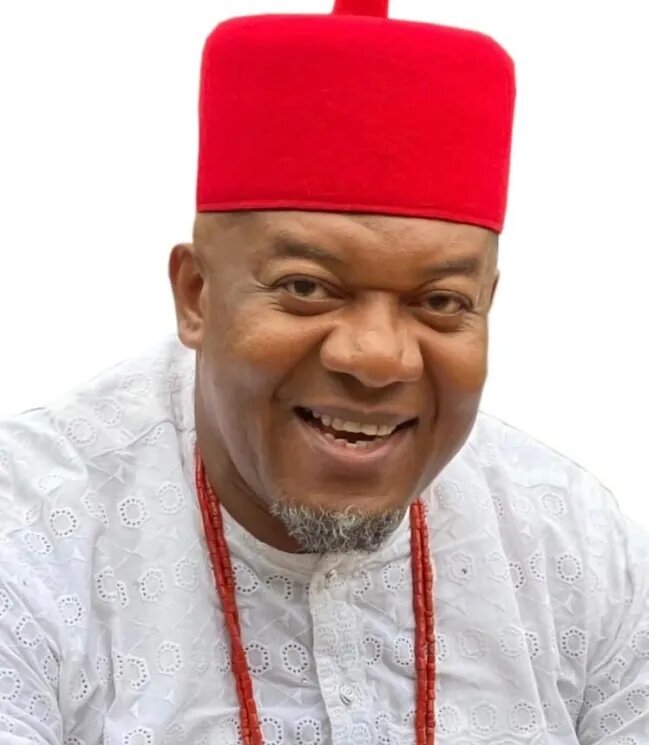
In the pantheon of contemporary Nigerian media figures, few have earned the love, respect, and admiration of the masses like Dr. Uche Nworah. Known for his compelling blend of intellect, humility, and a relentless passion for public service, Dr. Nworah embodies what it truly means to be “A man of the people.”
At a time when many in positions of influence drift away from the everyday struggles of the populace, Dr. Nworah has consistently maintained a close bond with the people. His deep understanding of the issues that matter to the average Nigerian, combined with his practical approach to communication and development, have positioned him as a voice and a champion of the people.
Dr. Uche Nworah’s journey is marked by humility and a sincere desire to serve. Unlike many who use public platforms for self-aggrandizement, he has consistently used his roles in media and public communication to uplift, inform, and inspire. As the former Managing Director/CEO of Anambra Broadcasting Service (ABS), he transformed the station from a regional broadcaster into a formidable and credible voice within Nigeria’s media landscape. He did this not by imposing himself, but by leading with empathy, insight, and a shared vision.
He never lost touch with the grassroots. Whether engaging with staff at ABS, listening to community feedback, or mentoring young journalists, Dr. Nworah was always approachable. His leadership style was participatory, allowing those around him to contribute meaningfully. In a country where top-down leadership often stifles innovation and trust, his approach offered a refreshing contrast.
One of Dr. Nworah’s most powerful tools has been the media. He has understood its role not just as a means of communication, but as a catalyst for social change. During his tenure at ABS, he prioritized programs that spotlighted real societal issues, from education to youth empowerment and cultural preservation. He did not shy away from uncomfortable topics; rather, he welcomed debate and discourse, giving a voice to the voiceless and encouraging civic participation.
Under his watch, ABS became a platform for public enlightenment and accountability. He made it a point to engage directly with citizens through various programs, including town hall-style meetings broadcast on radio and TV. These programs gave everyday people an opportunity to question, critique, and understand government policies and actions, a rare and valuable channel in today’s media environment.
Beyond his professional achievements, Dr. Uche Nworah’s contributions to human capacity development cannot be overstated. He is a teacher at heart, and he has used every opportunity to mentor and groom the next generation of media practitioners. His deep involvement in journalism training and youth empowerment has touched countless lives.
He often delivers lectures and writes articles that help demystify media ethics, journalistic integrity, and the role of communication in governance. For him, education is a tool of liberation, and he has committed himself to ensuring that young people, especially those from disadvantaged backgrounds, get a fair shot at excellence.
Many journalists in Nigeria today, including this writer, credit their professional breakthroughs to encounters with Dr. Nworah, whether through a single conversation, a training workshop, or simply by following his example. This kind of influence speaks volumes about the man’s dedication to public good.
It is not just in media and education that Dr. Uche Nworah has made his mark. He has also served as an important bridge between government and the governed. He understands the language of bureaucracy, but more importantly, he speaks the language of the people. This bilingualism, in both elite and grassroots discourse, has made him an effective communicator and public servant.
He has often been seen mediating tensions between civil society and state agencies, advocating for better policies, and ensuring that the plight of the people is heard in the corridors of power. His interventions are never for personal gain; they are driven by a genuine concern for equity, justice, and social progress.
Dr. Nworah is also a deeply cultural and traditional personality, and it is for this reason that he is honored with the revered traditional title of Ezeudo, meaning “King of Peace” in Igbo. This title is not merely ceremonial; it reflects his enduring commitment to preserving peace, promoting unity, and uplifting Igbo culture and values.
Through documentaries, interviews, and cultural programming at ABS, he promoted indigenous languages, traditions, and values. In an era of globalization where cultural identity is under threat, his efforts served to remind the people of who they are and where they come from. As Ezeudo, he carries the responsibility of embodying and protecting cultural integrity, a role he has fulfilled with grace, respect, and diligence.
His cultural advocacy goes beyond entertainment; it is rooted in a belief that development cannot be sustainable if it is detached from people’s heritage. By weaving tradition into modern broadcasting, he created a unique model that both celebrates and preserves cultural identity.
Perhaps the most distinguishing feature of Dr. Uche Nworah’s public life is his ability to listen. In leadership, listening is often underestimated, yet it is critical to effective service. Dr. Nworah listens, not just with his ears, but with his heart. He listens to feedback, criticism, stories of struggle, and aspirations of the common man. And then he acts, not with pomp, but with purpose.
Stories abound of how he supported people in need, be it through personal financial assistance, networking opportunities, or just a timely word of encouragement. These gestures may never make it to the headlines, but they resonate in the hearts of those who have been touched by his kindness.
In a society where the phrase “A man of the people” is often misused by opportunistic politicians and empty populists, Dr. Uche Nworah restores its true meaning. He is a man who has earned the trust of the people through years of visible service, moral integrity, and an unwavering commitment to human development.
He has shown that one can lead without dominating, that one can serve without seeking praise, and that one can be powerful without losing touch with the people. Dr. Nworah stands tall not because he elevated himself, but because he lifted others.
To call him a man of the people is not a political catchphrase; it is a recognition of his life’s work. And in that recognition lies a challenge to others in leadership, to listen more, serve better, and never forget those whose voices are often drowned in the noise of governance.
Dr. Uche Nworah is, indeed, a man of the people. And the people will not forget.