
Africa
Flipping Through Old Newspapers: Are Nigerian Leaders Not Ashamed?, by Isaac Asabor

As I flip through the delicate, yellowed pages of Nigerian newspapers from the early 1970s, I am struck by a profound sense of déjà vu. Despite the decades that separate those publications from today’s headlines, the themes are hauntingly familiar. Reports of economic hardship, social crises, political instability, and calls for reform fill the pages, as if frozen in time. The frustrations, hopes, and voices of Nigerians from decades past could easily have been written today, underscoring a troubling reality: our challenges have not only persisted but, in many cases, worsened over the years.
This discovery raises an uncomfortable question: have our leaders, many of whom have circulated within Nigeria’s power structures since the return to democracy in 1999, learned nothing from history? And if they have, are they not ashamed that the same headlines, the same unfulfilled promises, continue to haunt this nation? To say the least, this recurring cycle of empty words and failed actions paints a picture of leadership that has left Nigeria perpetually on the brink of change, yet always falling short.
The newspapers I have read, published over fifty years ago, reveal a Nigeria struggling with issues that still define our reality today. Back then, headlines like “Economic Hardships Rock the Nation,” “Unemployment Rates Soar,” and “Infrastructure Crisis: Power Outages Leave Millions in Darkness” appeared in print, resonating with the same urgency we see today. Even back then, columnists and analysts were calling for bold leadership, economic reform, and a commitment to infrastructure development. They warned against reliance on oil alone, urging diversification and investment in long-term growth.
Yet here we are, facing these very same issues, compounded by time. The promises of change, of transformation, ring as hollow today as they did then. Are Nigeria’s leaders not troubled by this glaring lack of progress? Are they not embarrassed that the nation they govern still stands on such shaky ground?
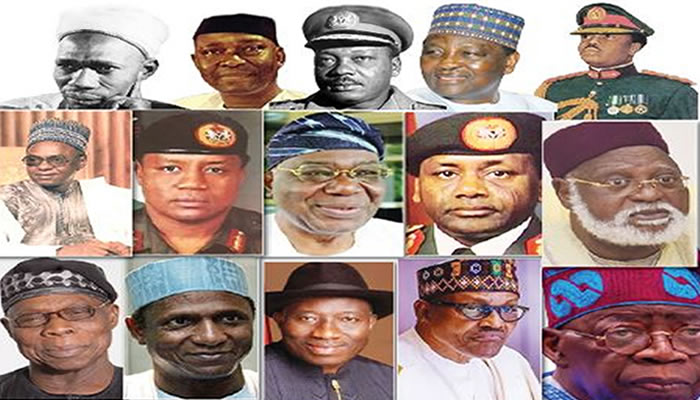
Since 1999, Nigeria’s leadership has largely remained in the hands of a small, revolving group of individuals. Politicians who once served as governors are now senators; former ministers reappear as gubernatorial candidates. This recycling of leadership has left little room for new ideas or innovation, resulting in a stagnant political system where self-preservation and personal gain take precedence over national progress.
Every election cycle brings the same well-worn campaign slogans and recycled promises: job creation, anti-corruption efforts, and infrastructure development. And yet, over two decades later, we continue to wait. This lack of progress is not just a failure of policy but a failure of leadership. The same people who have overseen Nigeria’s decline still hold positions of power. Have they no sense of responsibility, or shame, for the worsening state of the nation?
The economic conditions described in those old newspapers remain painfully relevant today. Inflation has made basic goods and services unaffordable for the average Nigerian, plunging millions into poverty. Despite Nigeria’s wealth in resources, citizens continue to struggle to afford essentials such as food, healthcare, and education.
While ordinary Nigerians grapple with these economic challenges, our leaders remain largely insulated from these hardships. They live in comfort, shielded from the struggles of everyday life, and seemingly disconnected from the realities of their constituents. How is it that they can witness the hardship that pervades the nation, yet feel no compulsion to change course? Do they not feel the weight of responsibility, knowing that their decisions, or lack thereof, directly contribute to this suffering?
One of the most glaring examples of Nigeria’s stagnation is its crumbling infrastructure. Old newspapers detail stories of power outages, broken roads, and failing healthcare facilities—problems that persist, if not worsen, with each passing year. Despite countless infrastructure projects announced by successive governments, the reality remains bleak. Many rural communities still lack access to electricity, clean water, and reliable healthcare. The country’s road networks, vital for economic development, are neglected, making travel difficult and sometimes deadly.
The failure to improve infrastructure is a clear indictment of our leaders’ priorities. How can they bear witness to such decay without feeling a deep sense of shame? For decades, they have allocated funds, drawn up projects, and launched initiatives, yet the results are nowhere to be seen. The nation’s leaders, who frequently travel abroad and experience the benefits of well-developed infrastructure, should surely understand what Nigeria lacks. And yet, their commitment to these issues remains elusive.
Nigeria’s stagnation cannot be attributed solely to its leaders. Issues such as corruption, a lack of accountability, and bureaucratic inefficiencies all play a part. Yet, these are problems that can be tackled, if there is a genuine will to do so. Many countries have faced similar challenges and, through decisive leadership and accountability, have managed to transform themselves. So why does Nigeria remain stuck?
Our leaders must confront their role in perpetuating these issues. Are they truly satisfied with a nation where unemployment is high, healthcare is a luxury, and corruption remains rampant? Are they content with leaving behind a legacy of unfulfilled promises? If they are, it is indeed a shameful mark on their record.
It is time for Nigeria’s leaders to reflect deeply on the legacy they are leaving. Leadership is not a title or a status to be flaunted; it is a privilege that demands action, accountability, and a commitment to the common good. If they cannot or will not address the issues that hold Nigeria back, then they have no business holding office. Nigeria does not need more empty words or superficial gestures. It needs leaders with a vision, leaders willing to put the nation above personal gain.
Our leaders must confront the question of whether they are proud of the Nigeria they have shaped. Are they content with a country where millions suffer while a select few prosper? If not, then they must begin to make the hard choices required to change our trajectory. It is not enough to make promises if there is no genuine effort to fulfill them.
At the same time, citizens also bear a responsibility to hold their leaders accountable. Nigeria’s journey toward progress will require courage, unity, and an unwavering determination to demand better from those in power. We cannot allow history to keep repeating itself without consequence.
As I close these old newspapers and contemplate the familiar struggles captured within their pages, I am left with one question for our leaders: “Are you not ashamed?”


















You must be logged in to post a comment Login