
Africa
Gazette It And Signpost It: Charly Boy Bus Stop Will Always Resonate With The People -By Isaac Asabor
You can publish it in the Lagos State Gazette. You can mount a new signpost with bold lettering. You can even send LASTMA officials to enforce the new name. But none of that will matter. The people have already decided. In the buses, in the markets, on the lips of passengers and conductors alike, one name continues to ring out like an anthem: “Charly Boy Bus Stop, owa o!”

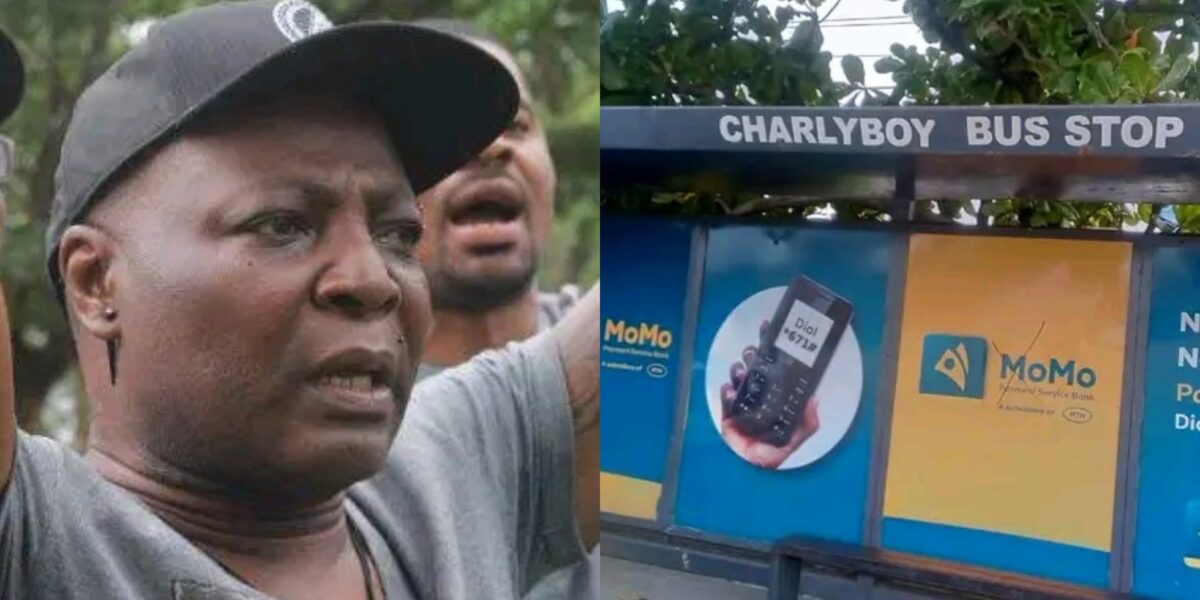
If there is one truth that government policymakers, urban planners, and political power players must come to terms with in Lagos, it is that not every landmark can be erased from public consciousness by simply removing a signpost or changing a name in an official document. Some places have etched themselves so deeply into the collective memory of the people that renaming them without the people’s consent becomes nothing short of historical vandalism. Charly Boy Bus Stop is one of such places.
Yes, gazette it if you must. Erect new signposts if you insist. But you will soon find out that the people’s memory is more enduring than ink in any government gazette. In fact, the attempt to rename Charly Boy Bus Stop is akin to painting over a mural that was never drawn with paint but etched with identity, culture, rebellion, and decades of street-level familiarity.
The name “Charly Boy Bus Stop” did not come from thin air. It was not the product of any colonial administrator, nor was it a political appointment in disguise. The name emerged organically from the people, drivers, conductors, street vendors, artisans, and commuters who interacted with the space on a daily basis. It was named after one of Nigeria’s most eccentric and boldest public figures, Charles Oputa, popularly known as Charly Boy.
Charly Boy, a cultural icon and fearless critic of authority, earned his place in Nigeria’s social consciousness not only through his music and flamboyant fashion but also through his activism and radical stance against injustice. For decades, he represented the voice of the voiceless, often stepping into the public arena with a loud voice where others whispered. It was only fitting that a bus stop in Gbagada, Lagos, an area known for its vibrant mix of residents and intense commuter activity—took on his name.
The bus stop became more than just a point of departure or arrival. It became a metaphor for rebellion, audacity, and the right to be different. In this way, “Charly Boy Bus Stop” became not just a location but a landmark of memory, defiance, and Lagosian spirit.
In Nigeria, the people’s naming convention often outlives the government’s official documentation. For instance, decades after the name “NEPA” was dropped for “PHCN,” most Nigerians still shout “Up NEPA!” whenever power is restored. In the detergent world, “Omo” has become a generic term for all washing powders. So why would anyone expect Lagosians to suddenly start calling Charly Boy Bus Stop by a new government-imposed name?
The reality is simple: once a place earns a name from the people, it becomes almost impossible to uproot that identity. Trying to rename it without addressing its history is not only insensitive but arrogant. The people’s memory is not a whiteboard that government policies can wipe clean. Instead, it is a granite tablet upon which history is carved through usage, repetition, and cultural relevance.
The attempt to rename Charly Boy Bus Stop, whether it is politically motivated, ethnically charged, or bureaucratically convenient, is bound to fail in the long run. Here’s why:
Deep Emotional Connection: People do not just associate Charly Boy Bus Stop with a geographical location. They associate it with experiences, memories, and urban identity. It is a meeting point, a reference in directions, and a landmark in stories told by Lagosians.
Street Credibility Trumps Bureaucratic Authority: In Lagos, street lingo and credibility often override government officialdom. If the street says it is Charly Boy Bus Stop, then it is Charly Boy Bus Stop, regardless of what the Ministry of Transportation says.
Drivers and Conductors are the Gatekeepers: These are the real influencers of urban identity. Once conductors and danfo drivers shout “Charly Boy, owa o!” the name sticks. And trust me, they’re not going to suddenly start shouting any sanitized, politically palatable alternative name because some officials at Alausa think it sounds better.
Looking at the issue through the eyes of cultural relevance, it would be seen that Charly Boy represents a generation and a movement. So, naming a bus stop after him is a tribute that recognizes his role in Nigeria’s cultural evolution. That name carries more weight than any politician’s surname being pushed down our throats in 2025.
Across the world, landmarks carry the names of those who left a lasting impact on society. In New York, you have Malcolm X Boulevard. In South Africa, there are countless roads named after Steve Biko and Nelson Mandela. These are not just street names, they are emblems of history, struggle, and victory.
Charly Boy, for all his eccentricities, has played a similar role in Nigerian socio-political discourse. His bus stop name is a badge of honor, one that the public willingly conferred upon him. For the government to erase that name without consulting the people is to erase a part of Lagos’ cultural history. What’s next? Renaming Ojuelegba?
Let us not forget that history isn’t only written by professors and politicians. It is also written by market women, keke riders, okada men, and conductors, people whose voices echo daily in the buses and streets of Lagos. And their verdict on this matter is clear: “Charly Boy Bus Stop, owa o!”
The city belongs to the people who live in it, not just to those who govern it. Urban planning should therefore be democratic, inclusive, and sensitive to the memories of the people. Changing a name just to reflect a political affiliation, or to “sanitize” an identity that was built from the street up, is elitist and short-sighted.
If government officials feel compelled to name streets and bus stops after individuals, let them do so where names are still fluid, where public memory has not yet settled. But to overwrite Charly Boy Bus Stop is to wage war against urban memory. And in a city like Lagos, that is a war no government can win.
You can publish it in the Lagos State Gazette. You can mount a new signpost with bold lettering. You can even send LASTMA officials to enforce the new name. But none of that will matter. The people have already decided. In the buses, in the markets, on the lips of passengers and conductors alike, one name continues to ring out like an anthem: “Charly Boy Bus Stop, owa o!”
That is the name etched into the soul of the street. It is the name that guides directions, marks territory, and captures the spirit of a community that refuses to be silenced.
So here’s the final word to policymakers: If you really want to honor Lagos and its people, don’t erase their history. Embrace it. If anything, make it official. Gazette it, signpost it, but respect it. Charly Boy Bus Stop is here to stay.


























You must be logged in to post a comment Login