Africa
Governance In Nigeria: Everybody Is Asking “What Can I Get?” Nobody Is Asking, “What Can I Give?, by Isaac Asabor

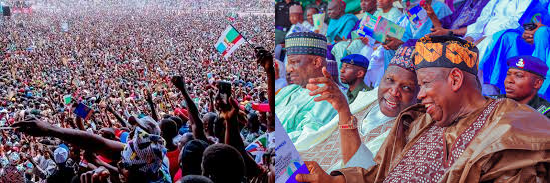
In the landscape of Nigerian governance, a pervasive culture of self-interest has taken root. This mindset, where individuals prioritize personal gain over collective welfare, has significantly hindered the nation’s progress. The question “What can I get?” echoes through the corridors of power, overshadowing the more altruistic “What can I give?”
From the highest echelons of government to local councils, the pursuit of personal enrichment often takes precedence over public service. This culture is not confined to politicians alone; it permeates various sectors, including business and civil society. The result is a governance system plagued by corruption, inefficiency, and a lack of accountability.
The consequences of this self-serving attitude are profound. Essential services such as healthcare, education, and infrastructure suffer due to misallocation of resources and embezzlement. Public trust in government institutions erodes, leading to widespread apathy and disengagement among citizens. The 2023 elections, for instance, were marked by promises of change and renewed hope, yet the reality has been a continuation of the same challenges.
For Nigeria to achieve sustainable development, a fundamental shift in mindset is required. Leaders and citizens alike must embrace a culture of service and collective responsibility. This involves prioritizing the common good over personal gain and fostering a sense of duty towards the nation.
There are glimmers of hope. Some local governments and civil society organizations are championing transparency and accountability. Initiatives aimed at improving governance through citizen engagement and technological innovation is gaining traction. These efforts demonstrate that change is possible when the focus shifts from self-interest to collective welfare.
The journey towards better governance in Nigeria is fraught with challenges, but it is not insurmountable. By asking “What can I give?” instead of “What can I get?” Nigerians can build a more equitable and prosperous society. It requires a collective effort, a commitment to integrity, and a willingness to prioritize the nation’s future over individual gain.
Without any scintilla of hyperbole, there is one troubling question in Nigeria that seems to reverberate across the corridors of power: “What can I get?” This mindset, entrenched in both leadership and the citizenry, has become a significant obstacle to national development and social cohesion. Rarely do we hear the complementary question that is crucial for any society’s progress: “What can I give?” This absence of a giving mindset is emblematic of the systemic problems that have continued to plague Nigeria, from corruption and governance failures to a lack of accountability and civic responsibility.
In fact, from the highest echelons of government to the average citizen, the pursuit of personal gain often supersedes the collective good. Politicians, once elected, focus on amassing wealth and securing their positions, rather than delivering on campaign promises or working for the betterment of their constituencies. Public offices are often viewed as opportunities for self-enrichment, with the primary goal being to extract as much as possible from the system before one’s tenure ends.
This “what can I get?” mentality isn’t confined to politicians alone. It permeates the entire society. For many citizens, the government is seen not as a system of governance and service delivery but as a resource to be exploited. The common refrain is, “How can I benefit?”, whether through contracts, appointments, or even minor acts like bribing an official to cut through bureaucratic red tape. The idea of contributing to the common good or making sacrifices for the country’s advancement is, unfortunately, alien to many.
The consequences of this mindset are far-reaching and devastating. Corruption has become endemic, eroding trust in public institutions and crippling the nation’s ability to develop. Critical sectors like education, healthcare, and infrastructure have suffered neglect, as funds meant for public projects are siphoned off into private pockets. The result is a country rich in natural resources but poor in human development indices, where the majority of the population struggles to access basic necessities.
Furthermore, this self-serving approach to governance fosters a culture of impunity. When leaders are focused solely on personal gain, there is little incentive to hold anyone accountable. Corruption cases are often swept under the rug, and those who dare to speak out are silenced or marginalized. This creates a vicious cycle where corrupt practices are normalized, and any sense of public duty is eroded.
Imagine a Nigeria where leaders and citizens alike ask, “What can I give?” This question is not just about monetary contributions or material gifts; it is about service, sacrifice, and a commitment to the collective good. It is about leaders who prioritize the needs of their people over their personal ambitions, who see public office as a platform to make a difference rather than a means to an end. It is about citizens who understand that nation-building requires active participation, not just passive criticism or demands for entitlements.
This shift in mindset would fundamentally change the way governance operates in Nigeria. Leaders who ask, “What can I give?” would focus on delivering quality public services, creating opportunities for all, and building institutions that serve the public good. They would be guided by principles of transparency, accountability, and integrity, knowing that their legacy will be measured not by how much they amassed, but by how much they contributed to the nation’s progress.
For citizens, asking “What can I give?” would mean a greater emphasis on civic responsibility. It would encourage participation in community development, voluntary service, and a willingness to support policies that benefit the wider society, even if they come at a personal cost. This mindset would foster a sense of ownership and pride in the nation’s achievements, reducing the dependence on government handouts and fostering a more resilient, self-reliant populace.
Given the foregoing view, it is germane to urge fellow Nigerians to eschew this entrenched mindset, though it will not be easy to change as it is deep-rooted, but it is essential for Nigeria’s future. It requires a concerted effort from all sectors of society, including education, where values of service, integrity, and patriotism can be instilled from a young age. Civil society organizations, religious institutions, and the media also have a critical role to play in promoting a culture of giving and holding leaders accountable.
Ultimately, the shift from “What can I get?” to “What can I give?” is a call for a new kind of leadership and citizenship in Nigeria. It is a call for leaders who are driven by a genuine desire to serve and for citizens who understand that their actions, no matter how small, contribute to the nation’s destiny. Only by embracing this mindset can Nigeria begin to address the deep-seated challenges it faces and move toward a future where governance is truly for the people, by the people, and in the service of the common good.