
Africa
Hungry Nigerians Still Paving Way For More Doom As Food Prices Under No Control -By Justina Emmanuel Ogbaje
The Nigerian government policy makers, and stakeholders should prioritize food security by bringing sustainable policy that reduce food inflation and make essential food items affordable for all citizens of Nigeria, without quick intervention, more Nigerians will face hunger and deeper economic hardship. Government should look down to the less privilege and help tackles the problem facing cost of food increment in our able country Nigeria. Together we stay and fight hardship.

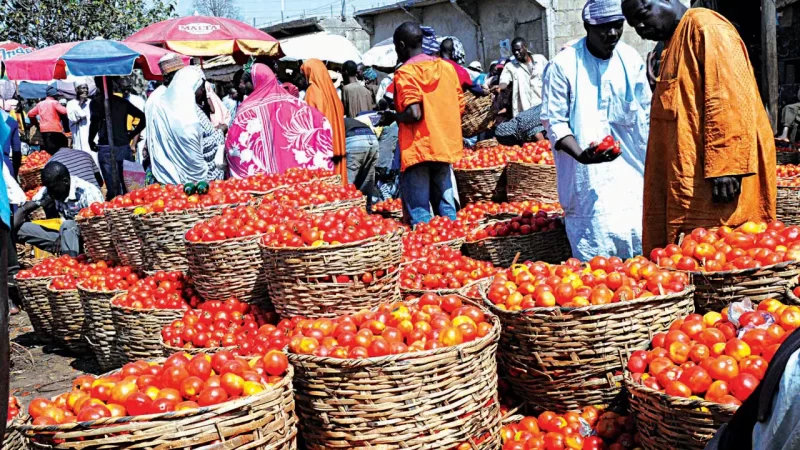
In recent years the cost of food items in Nigeria has been increased considerably, and Nigeria are being forced to stretch their Naira higher and higher, this is a challenge for vulnerable people living on the margins, higher food costs could smell disaster. What has gone wrong with our food system, and what should we do about it?
The cost of rising of food has reached a tipping point of putting extremely large financial pressure on household, from food like Rice, garri and Beans to cooking ingredients such as tomatoes and palm oil. Price of food commodities are high which makes it increasingly difficult for families to afford nutritious meals.
As food prices continue to rise many Nigerians are forced to adjust their spending habits, reduce on essential expenses or seek alternatives source of income to cope with the financial trauma. The impact of this crisis has expand beyond the individual’s, household, in which it affects the economy and worsen problem of poverty in the country.
The rising cost of food In Nigeria is coined by so many several factors, including security, economic, and environmental challenges. Nigeria has been experiencing so many inflations, in which as inflation rises, the price of commodities, such as rice, maize, and vegetables, also surge. The foreign exchange rates, poor infrastructure, insecurity, including banditry, kidnapping and farmer herder conflict, high price of fertilizer, pesticides and farming equipment, have increased. With these problems the country is facing more hardship in cost of food, in Nigeria.
Nigeria cost of food plays a crucial role in determining the overall well-being of Nigerian households which food is a basic necessity, in which price rise, it directly impacts the quality of life, economy stability and social conditions of the population.
The significance of rising food cost and their effect on household are reducing purchasing power, which as food prices increase, many families find it difficult to feed or afford the same quantity and quality of food they used to buy. Food cost pushes families to go for cheaper, less nutritious alternative, which lead to malnutrition especially among children, elderly, pregnant women, and even the sick ones. Which increases a lot of risk and diseases to people.
Many low-income households spend a portion of their earnings on food. In which prices rises, they are forced to cut-down on other basic needs, which these has to push more people into extreme poverty.
High cost of food prices can also contribute to social unrest, as seen in past protests and demonstration of last year 2024 where people of Nigeria went out on streets in other to protest for the high cost of living, prices of food commodities, in other to inform the government of Nigeria to reduce the cost of food prices in the country because it’s unbearable!. People are dying of hunger issues, women and children are crying and the men are suffering, protesting for the increase in cost of living.
Rising cost of food in Nigeria in a whole is not just a financial challenge but a significant socio-economic issue that requires urgent intervention from the government, policy makers, businessmen, and individual to ensure food affordability and security for all the country.
However, the impacts on household Budgets in the country today is to reduce purchasing power, in which families struggle to afford basic needs and necessity for the family. Some families go on depth with Banks for loans in other to buy food for sustainability of the home, high cost of food push more people below the poverty line, while some citizens are dying on hunger issues.
I urge the government and policy makers to look and address the high cost of food in Nigeria, to tackle the high cost of living, rising of food and it’s importance on household. The Nigerian government must implement some strategies policies and good solutions in other to see the high cost of food is brought down to the knee of the people in the country.
The government should please increase investment in modern farming techniques, mechanization, to enhance food production. Provide subsidies and incentives to farmers to reduce production costs, promote research and development in agriculture to improve crops yield.
Improve of security for Farmers, in which the government should strengthen security in rural, and urban farming areas to prevent attacks, establish special agricultural security forces to protect farmland and food supply chain, bring good transportation and strong infrastructure, implement foreign exchange. Strengthen the Naira and make food import more affordable, encourage local production and support local food processing industries to add value to agricultural products.
They should also implement effective prices control measures in which the government policy should establish food resources to stabilize prices during period of scarcity. Educate the public on food budgeting preservation and alternative nutritious diets, also encourage consumers to support locally produced food to boost domestic agriculture. The government should provide and recommend a lot of equipment for purpose of these hardship by considering these policies, the government can reduce food inflation, improve food security and protect Nigerian households from economic hardship in Nigeria.
If we are quiet to these problems, the rising cost of food will bring about lost and trauma to the country, Nigeria will place an extremely large financial pressure on household, making it difficult for many families to afford three square meals. Factors such as inflation, insecurity, poor infrastructure, climate change, and high farming costs have contributed towards food price surges. Because of these many Nigerians are struggling with reduced purchasing power, malnutrition and this worsen poverty.
In other to address this crisis I urge the government to take urgent action by improving agriculture investment, securing farmlands, providing transportation and storage system, stabilizing the Naira, and implementing fair prices control measures. Also they should support local food production and educating consumers on sustainable food choices.
The Nigerian government policy makers, and stakeholders should prioritize food security by bringing sustainable policy that reduce food inflation and make essential food items affordable for all citizens of Nigeria, without quick intervention, more Nigerians will face hunger and deeper economic hardship. Government should look down to the less privilege and help tackles the problem facing cost of food increment in our able country Nigeria. Together we stay and fight hardship.
























You must be logged in to post a comment Login