
Africa
India And Nigeria: Beyond The Ceremonial Glitter, A Call For Meaningful Diplomatic Relationship, by Isaac Asabor

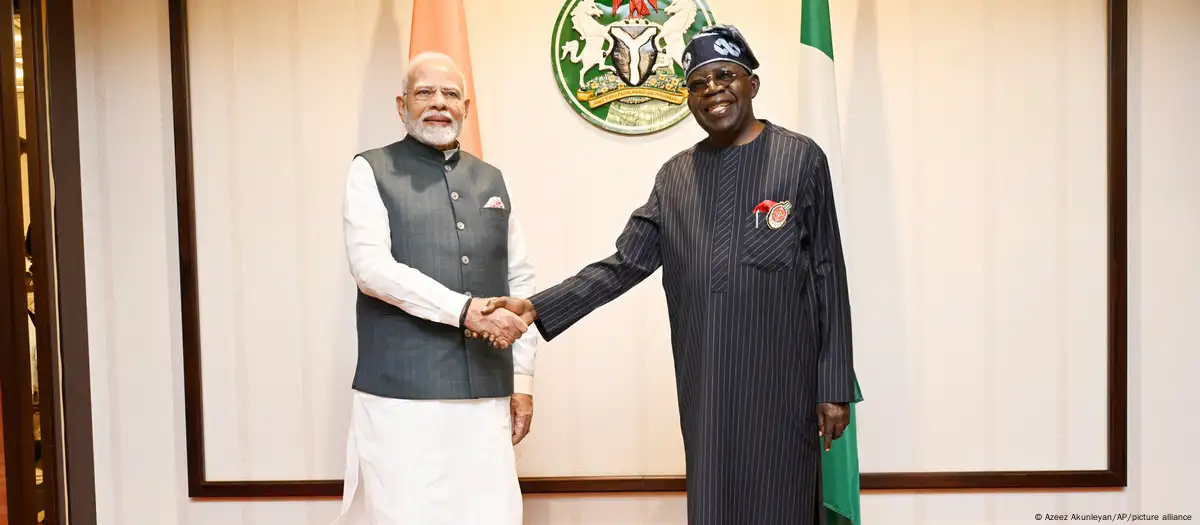
The recent visit of Indian Prime Minister Narendra Modi to Nigeria marks a pivotal moment in the diplomatic and strategic relationship between two of the world’s largest democracies. Modi’s trip, celebrated with pomp and ceremony, underscores the potential of a partnership that extends beyond the handshake moments and glittering receptions. Yet, for Nigeria and India to reap the full benefits of this renewed friendship, it is crucial that the agreements and pledges made during this historic visit are brought to light and implemented transparently.
Without a doubt, India and Nigeria’s relationship is not new; it is a partnership that has evolved over decades. Diplomatic ties were first established in 1958, two years before Nigeria’s independence. Since then, the two countries have built strong bonds in trade, cultural exchange, and education.
India was among the first countries to open a high commission in Nigeria, reflecting its recognition of Nigeria’s strategic importance. Nigeria, in turn, has maintained a diplomatic presence in New Delhi for over six decades. Both nations have supported each other on international platforms, such as the Non-Aligned Movement, and more recently, in their push for permanent representation on the United Nations Security Council.
One notable example of their collaboration is the role India played during Nigeria’s struggle for independence. Indian leaders like Jawaharlal Nehru championed decolonization efforts globally, including in Africa. More recently, India has become a critical partner in Nigeria’s developmental journey, particularly in the areas of healthcare and education. Indian scholarships for Nigerian students and medical tourism to India are prime examples of this enduring relationship.
The current visit by Modi signals a renewed commitment to strengthening ties in key areas that have the potential to deliver immense value for both nations. The key areas cut across energy collaboration, technology and development, and security and counterterrorism.
As Nigeria remains a major oil and gas producer, India, one of the world’s largest energy consumers, has been a consistent buyer of Nigerian crude. In turn, India’s advancements in renewable energy offer Nigeria an opportunity to diversify its energy portfolio and address power challenges.
India’s globally recognized achievements in technology, particularly in IT and digital services, can serve as a model for Nigeria. Joint ventures in technology incubators, skill transfer programs, and the application of Indian expertise in fintech could accelerate Nigeria’s digital transformation.
The Gulf of Guinea faces rising piracy, much like the Indian Ocean. Collaborative efforts in intelligence sharing, maritime security, and counterterrorism can benefit both nations and contribute to regional stability.
Trade remains a cornerstone of India-Nigeria relations. Nigeria is India’s largest trading partner in Africa, with bilateral trade valued at $14.9 billion in 2022. Indian companies, numbering over 200, have invested an estimated $27 billion in Nigeria’s manufacturing sector, creating thousands of jobs.
These economic ties must deepen to ensure mutual prosperity. Investments should go beyond extractive industries, focusing on sectors like agriculture, healthcare, and infrastructure. Expanding trade partnerships in these areas could uplift millions of Nigerians while diversifying India’s economic interests.
While the promises made during the visit are ambitious, such high-profile meetings often risk becoming mere ceremonial events. Nigerians and Indians alike deserve to know the specifics of the agreements signed and the timelines for their implementation.
The Nigerian government must publish the outcomes of the closed-door meetings, including memoranda of understanding (MOUs) signed, and ensure robust mechanisms for monitoring progress. Civil society organizations and the media must play an active role in holding both governments accountable to their promises.
India and Nigeria’s collaboration also carries significance for the Global South. As both nations seek permanent seats on the UN Security Council, their partnership underscores a broader vision of reforming global governance structures to better represent developing countries. Their collective voice can amplify the priorities of the Global South, from combating climate change to addressing economic inequalities.
The grandeur of military pipe bands and honor guards should not overshadow the pressing need for real outcomes. As Nigerian President Bola Tinubu aptly noted, the relationship with India must broaden for mutual benefits.
To achieve this, both nations must prioritize actionable milestones over lofty rhetoric. India must see Nigeria not just as an economic opportunity but as a strategic ally in its global ambitions. Similarly, Nigeria must leverage India’s expertise and investments to address its developmental challenges.
India and Nigeria’s relationship has come a long way, evolving from shared histories to a robust economic and strategic partnership. Yet, for this partnership to realize its full potential, it must move beyond ceremonial gestures to deliver tangible outcomes for both nations’ citizens.
Let this historic visit serve as a reminder that partnerships thrive on meaningful actions, as India and Nigeria must capitalize on this opportunity to build a stronger, mutually beneficial relationship that inspires the rest of the Global South.

























You must be logged in to post a comment Login