Forgotten Dairies
Indonesian National Nutrition Agency Turns Billion Dollar Program into Loot -By Fransiscus Nanga Roka
Aside from reform in institutions it is a complete reset of the narrative about welfare spending which indonesia needs. Social programs are not campaign props or patronage vehicles; they are tools to repair historical injustice and redeem the genuine freedom of the poor. And every corruption scandal in the MBG is a direct assault on that mission. If it is to be more than a trillion-rupiah feeding frenzy, Jakarta must show that MBG is a brave experiment in inclusive growth rather than simply what happens when greedy little fingers get access to the katta fleckin’ state treasury and punish predators; redesign broken systems; and treat our children not as cover for looting but the primary constituency of the republic.

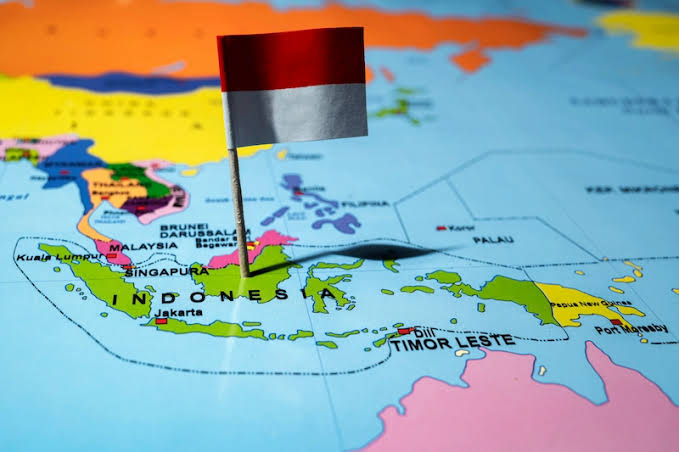
Indonesia sold its national school feeding program as a moral crusade: Feed children, combat malnutrition and lessen inequality. Rather, the National Nutrition Agency (BGN) has been said to transform a multibillion rupiah program into an ecosystem rife with rent seeking, mark ups and politically connected utlitarianism. Feed children Free or Program Makan Bergizi Gratis (MBG) was imagined as a symbol of social justice but is quickly turning into an object lesson in treating populist flagships as fiscal crime scenes when governance is shallow and oversight has been neutralised.
Behind the scandal are founding members of BGN, its former chief and deputies, now charged with orchestrating a large scale misappropriation of public funds. The apparent M.O., typical of corruptible bureaucracies, is always the same: you overinflate the value of your procurement; you purchase goods that are peripheral or unrelated to the real mission of your program; contracts go to affiliated foundations and cutouts masquerading as “partners.” Investigators have reportedly found tens of thousands of electric motorbikes, stacks of shoes, tablets and massive televisions not as incidental waste but part of a cunning ploy to turn social welfare into loot for those who may be brazen enough to defraud the state under the guise of feeding children.
These are not random acts of administrative incompetence or “program leakage”. This is moral inversion: a shotgun statute justified in the name of starving children that was allegedly implemented as a means for enriching elites and their fiefdoms. Every time a rupiah is diverted means one less nutritious meal, one fewer children reached, more cynicism among citizens who were promised MBG would herald a new era of inclusive development. The bold message to the public when money set aside for school meals winds up being redirected into high end electronics and luxury nearby procurement ones could not be more brutal: Children lose when child welfare meets patronage politics.
The scandal further exposes Indonesia’s weak anti-corruption infrastructure. The need for civil society to raise separate allegations tied to halal certification contracts with a different law enforcement body highlights just how fragmented, reactive, and hand-to-mouth accountability has become. Oversight is fragmented between agencies with overlapping mandates, and political capital flows to photo-op launches, presidential slogans, and budget announcements counted in trillions. Anti corruption is thus a recurring performance, big arrests, splashy press releases rather than systematic practice rooted in program design, real-time monitoring, and open data.
The damage is not just fiscal, he said, it was constitutional and reputational for Indonesia. To have a social agenda of this magnitude mingles key national tenets such as the right to education, health and the minimum living standard. A corrupted program is not merely money down the drain for a state, it lacks key development-oriented elements that are necessary to meet our most basic obligations to the next generation. Abroad, the MBG scandal threatens to tar Indonesia’s flagship social welfare policy as a cautionary tale for what not to do in social protection, populist in rhetoric, flimsy in design and predatory in practice.
Should Indonesia wish to save MBG, and its own credibility as a provider, it will need far more than mere cosmetic fixes. There could be at least five strategic steps that need to take place structurally, not symbolically.
First, Bake transparency into every last MBG rupiah. All MBG associated procurement, agreements, unit costs and beneficiary information must be released in machine-readable open data portals at near real-time updates. The public and ordinary journalists are trained so thanks not everyone will see only for how much was spent but finally on what, who and at which price add, lawmakers from civil society. Corruption: the seed of secrecy; radical transparency: the first step to suffocate it.
Second, Make MBG school-based and nested in community-level implementation. The more you centralise and aggregate the procurement, the easier it is to inflate prices and hide kickbacks. Indonesia must replace mega contracts kept by a central agency with decentralised, school centric models under strict standards and digital oversight. Verified local vendors, community kitchens and cooperatives can be plugged into the supply chain and increase the squeeze between budget decisions & real meals on plates.
Third, Function separation between policy making, implementation and auditing. No agency should design it and then control the primary funding and procurement streams for a program this massive. While one function which can be for policy design, can sit with a line ministry, another function implementation at local education and health units, and independent performance auditing at an empowered supreme audit institution with live access to MBG data. So design conflict of interest out do not have to exorcise it once the scandal breaks.
Fourth, Incorporate anti corruption compliance into the eligibility criteria for public contracts. Conduct robust due diligence on vendors and partner foundations: ultimate beneficial ownership checks, tax compliance, and past performance in relevant sectors. As such, opaque structures or political patronage footprints should be treated as anathema at best, enhanced scrutiny; at worse a prohibition from leverage. Implementing a cross agency “integrity registry” of vendors flagged for high risk behavior and sanctioned entities to stop repeat offenders drifting between public projects.
Fifth, Safeguard and enhance independent oversight institutions. And law enforcement and anti corruption agencies need to be insulated from political interference if they are to credibly investigate elite driven graft. Adequate budgets, professional staffing, legal guarantees of independence and protection for whistleblowers and expert witnesses are not something to be bargained with. MBG should be the litmus test for Indonesia’s political will to take on not just petty bureaucrats, but also powerful actors engaged in corruption.
Aside from reform in institutions it is a complete reset of the narrative about welfare spending which indonesia needs. Social programs are not campaign props or patronage vehicles; they are tools to repair historical injustice and redeem the genuine freedom of the poor. And every corruption scandal in the MBG is a direct assault on that mission. If it is to be more than a trillion-rupiah feeding frenzy, Jakarta must show that MBG is a brave experiment in inclusive growth rather than simply what happens when greedy little fingers get access to the katta fleckin’ state treasury and punish predators; redesign broken systems; and treat our children not as cover for looting but the primary constituency of the republic.
Faculty of Law University 17 Agustus Surabaya dan Managing Partner Law Firm Victorious Indonesia