
Africa
International Anti-corruption Day: Tackling Corruption In Nigeria – A Battle For National Development, by Sadiya Yunusa Bello

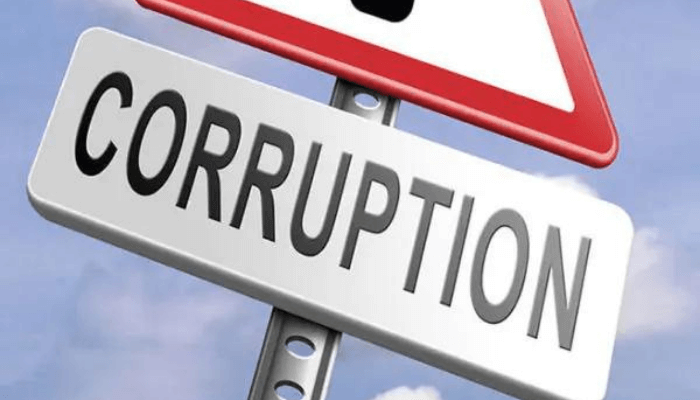
Corruption is a persistent issue that has plagued Nigeria for decades, and despite efforts to combat it, it remains a significant obstacle to the nation’s development. International Anti-Corruption Day, observed every December 9, serves as a reminder of the need for continued vigilance in the fight against corruption, not just globally but more poignantly within the Nigerian context.
Corruption in Nigeria manifests in various forms, including bribery, embezzlement of public funds, procurement fraud, and the abuse of office by public servants. The country’s long-standing battle with corruption is fueled by a lack of transparency, weak governance structures, and a culture of impunity. From the highest echelons of government to local administrative bodies, corruption has entrenched itself deeply in Nigerian society. It is not just an abstract concept but a reality that impacts daily life and erodes the nation’s progress.
In the early 1990s, Nigeria became infamous for being among the most corrupt nations in the world. Despite various government initiatives, including anti-corruption commissions like the Economic and Financial Crimes Commission (EFCC) and the Independent Corrupt Practices Commission (ICPC), the country still faces overwhelming corruption challenges. Public officials, business leaders, and even ordinary citizens have been implicated in scandals that often go unpunished, creating an environment where corruption flourishes.
The economic consequences of corruption in Nigeria are dire. According to reports, billions of dollars are lost annually due to corrupt practices. These funds, which could be used to improve the nation’s infrastructure, healthcare, education, and security, are siphoned off into the pockets of a few elites. As a result, vital services are underfunded, and poverty remains widespread, with more than 40% of Nigerians living below the poverty line.
Corruption has led to the misallocation of resources, with contracts often awarded to companies based on political connections rather than competence. This has resulted in shoddy infrastructure, inadequate healthcare facilities, and poorly maintained roads, among other issues. It stifles the growth of small businesses, drives away foreign investment, and contributes to the general economic instability that has plagued the country for decades.
One of the most significant effects of corruption in Nigeria is its impact on governance. Public trust in government institutions has been eroded, with citizens often viewing public officials as self-serving and unaccountable. This breakdown in trust hinders effective governance, making it difficult for the government to implement policies that would drive social and economic growth.
The culture of impunity that corruption breeds also means that public officials rarely face the consequences of their actions. The judiciary, often compromised by political influence, is seen as ineffective in bringing corrupt individuals to justice. The failure to hold individuals accountable only perpetuates the cycle of corruption, as those in power know they can act with impunity.
Corruption is deeply embedded in Nigeria’s political system, where politicians often rely on corrupt practices to gain and maintain power. Election rigging, vote-buying, and the manipulation of electoral processes are common occurrences during elections. This undermines the democratic process and perpetuates the election of individuals who may be more interested in personal gain than in serving the public.
Political parties also contribute to the corruption problem. Many politicians use their positions to amass wealth, which they then use to further their political ambitions. This creates a vicious cycle where political power is used not to improve the lives of citizens but to secure more wealth for a select few.
The role of civil society in combating corruption in Nigeria cannot be overstated. Non-governmental organizations, the media, and ordinary citizens have played a critical role in exposing corrupt practices and holding public officials accountable. Investigative journalism has led to the revelation of several high-profile corruption cases, while activism has pushed for reforms in the country’s political and judicial systems.
However, civil society faces significant challenges in this fight. The government often targets activists and journalists who speak out against corruption, using intimidation and harassment to silence dissent. Despite this, many continue to push for greater transparency and accountability, understanding that a strong and independent civil society is crucial for achieving long-term change.
In recent years, the Nigerian government has made some strides in tackling corruption. The establishment of the EFCC and the ICPC was a step in the right direction, as they were tasked with investigating and prosecuting corruption cases. However, critics argue that these bodies are often undermined by political interference and a lack of resources.
One of the most notable efforts has been the implementation of the Treasury Single Account (TSA), which aims to consolidate all government revenues into one account, reducing the opportunity for public officials to siphon off funds. The Nigerian government has also introduced a number of reforms aimed at increasing transparency, including the Open Government Partnership (OGP), which seeks to make government data more accessible to the public.
Despite these efforts, there remains a significant gap between policy and practice. Many corruption cases still go unpunished, and the political will to bring about real change remains weak. Furthermore, the lack of a comprehensive strategy to address the root causes of corruption, such as poverty and unemployment, means that the problem continues to persist.
International organizations and partners have also been instrumental in Nigeria’s fight against corruption. The United Nations, World Bank, and International Monetary Fund have provided financial and technical support for anti-corruption initiatives in Nigeria. However, these efforts have often been hampered by the lack of political will at the national level and the inability of local institutions to implement reforms effectively.
The international community has also played a key role in pressuring Nigeria to adopt stronger anti-corruption measures, particularly in the area of asset recovery. Many Nigerian leaders have stashed illicit wealth in foreign bank accounts, and international cooperation is vital for recovering these stolen assets and returning them to the country.
One of the most effective long-term strategies for combating corruption in Nigeria is through education. Instilling values of integrity, honesty, and transparency in young people will help to foster a generation of leaders who are committed to creating a more just society. Education is also critical in raising awareness about the detrimental effects of corruption and empowering citizens to demand better governance from their leaders.
The government and civil society must work together to create educational campaigns that focus on the dangers of corruption and the importance of good governance. These campaigns should target schools, universities, and communities, ensuring that young Nigerians are equipped with the knowledge and tools to challenge corruption when they encounter it.
The fight against corruption in Nigeria is not one that can be won by the government alone. It requires the collective efforts of all Nigerians, including civil society, the media, businesses, and international partners. Tackling corruption will require a comprehensive approach that includes strengthening institutions, promoting transparency, and ensuring accountability at all levels of government.
The path forward must be guided by the understanding that corruption is not just a legal issue but a moral one. Nigerians must demand better from their leaders and hold them accountable for their actions. It will require a cultural shift, where corruption is no longer tolerated but condemned at every level of society.
On this International Anti-Corruption Day, it is important to reflect on the progress Nigeria has made in fighting corruption, but also to recognize that much remains to be done. Corruption continues to hold Nigeria back from reaching its full potential, and it is up to every citizen to contribute to the fight against it.
As Nigeria approaches a new era of governance, it is essential that the fight against corruption remains at the forefront of the national agenda. Only then can the country begin to build the transparent, accountable, and prosperous society that its citizens deserve. It is time for all Nigerians to unite in the fight against corruption and demand a brighter future for generations to come.
Sadiya yunusa Bello is 300 level Student from Mass Communication Department Borno State University Maiduguri.

























You must be logged in to post a comment Login