Africa
Is AKY’s Defection a Betrayal or Kwankwaso’s Karma? -By Abba Dukawa
In the final analysis, leaders are judged by their outcomes, not just their platforms. Governor Abba Kabir Yusuf’s decision engages the present and invests in the future – it’s not about rejecting the past. When intentions are clear and service is key, change is a step forward, not a betrayal. I rest my case on Kano’s political shift

POLITICAL realignment can be a strategic move, adapting to changing circumstances or priorities. While some see it as betrayal, others view it as evolution or growth. It depends on the context and motivations behind the shift .
The public fallout between Governor Yusuf and his political mentor mirrors familiar fractures from Kwankwaso’s past, notably his bitter split with Abdullahi Ganduje. Once again, a protégé has chosen a different path. The question is whether AKY’s move represents calculated independence or a strategic checkmate in a long political chess game.
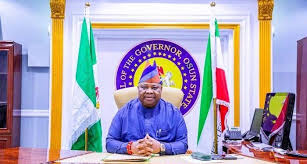
Governor Abba Kabir Yusuf’s (AKY) defection to the APC has reignited a debate in Kano politics: was it a betrayal of Rabiu Musa Kwankwaso’s trust, or the inevitable outcome of political pragmatism? To some observers, it looks less like treachery and more like poetic justice—a lesson Kwankwaso himself has long taught others.
This article isn’t driven by personal bias or party loyalty. Instead, it looks at a political style marked by populism, personality-driven movements, and party-hopping driven more by ambition than the interest of public.
Political Independence or Blind Loyalty?
Political independence is the ability to govern based on personal conviction and the interests of the electorate. Blind loyalty, by contrast, subordinates public interest to the will of a godfather. One is autonomy; the other is submission.
In Nigerian politics, breaking away from a godfather often means reclaiming authority over one’s decisions and direction. It is rarely easy especially when the godfather expects absolute obedience. In the case of Kwankwaso and Yusuf, the governor may simply be trying to assert himself as a leader in his own right, not merely an extension of his mentor.
Kwankwaso’s supporters must therefore distinguish between betrayal and the pursuit of political freedom. Safeguarding the people’s mandate in Kano requires understanding that true leadership reflects popular will, protects democratic choice, and expands political space—not personal control.
By contrast, a godfather driven by ego and ambition, at the expense of public trust, represents betrayal far more than a leader who makes difficult decisions for the collective good.
Kwankwaso’s Lament and Its Irony
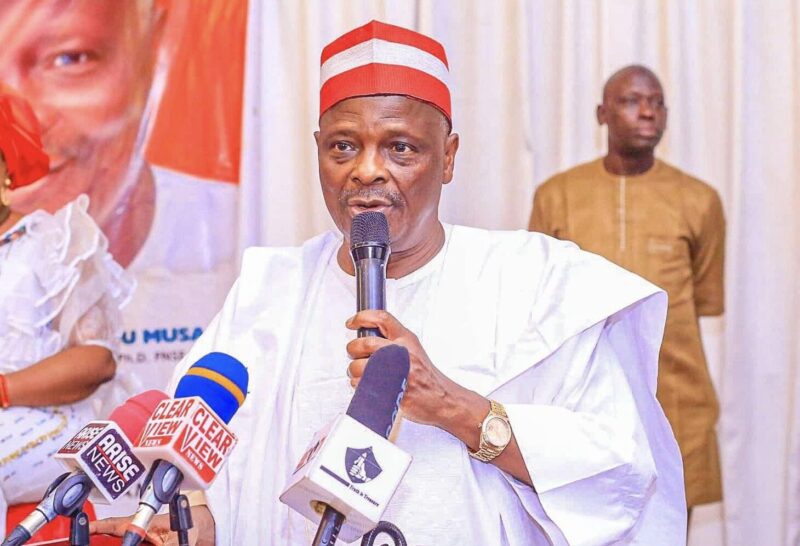
In a subdued and emotional interview with BBC Hausa—his first since AKY’s exit from the NNPP—Senator Kwankwaso expressed deep hurt, describing the defection as an unimaginable act of betrayal. He insisted Kano remains NNPP territory and warned that Abba would face consequences, accusing him of “handing over Kano’s mandate to the Gandujiyya camp.”
Kwankwaso claimed the issues leading to the defection could have been resolved through dialogue and repeatedly questioned what went wrong and who was to blame. Yet his continued public lament only reinforces a perception of desperation, as though he fears losing something more than political relevance.
While his emotional appeal may resonate with loyalists, Kwankwaso is hardly alone in having felt betrayed in Kano’s turbulent political history. Ironically, many accuse him of the very conduct he now condemns.
A Pattern of Broken Alliances
Kwankwaso’s political ascent in 1999 was aided by figures such as Abubakar Rimi, Hamisu Musa, and Musa Gwadabe. Once in power, however, he dismantled the structures that supported him, sidelining these benefactors and rendering them politically irrelevant. None truly recovered from that fallout.
History appears to be repeating itself. A leader who once thrived on alliances has repeatedly abandoned them after consolidating power. Ali Sani Madaki has openly accused Kwankwaso of hypocrisy, arguing that someone with such a record lacks the moral authority to lecture others on loyalty or betrayal.
This pattern extended beyond Kano. In 2019, Kwankwaso was accused of distancing himself from Atiku Abubakar after securing his own political interests in the state—an act many viewed as a serious breach of trust.
Compounding this is Kwankwaso’s long history of party switching: from PDP to APC, back to PDP, and now NNPP. These moves, often driven by personal ambition, weaken his credibility when criticizing defections by others—especially when his political protégé followed him through many of those same transitions.
Silence, Loyalty, and the Cost of Control
Governor Abba Yusuf’s silence since leaving the NNPP speaks volumes. While he denies being under anyone’s control, few dispute that Kwankwaso shaped his political career. AKY’s loyalty was once unwavering—sometimes to the point of personal sacrifice and public humiliation.
Yet history shows that loyalty to Kwankwaso rarely guarantees lasting trust. Many who once defended him eventually fell out after warning of his autocratic and self-centered leadership style. Figures like Alhaji Rabiu Suleiman Bichi and Professor Hafiz Abubakar—who even resigned as Deputy Governor to demonstrate loyalty—raised these concerns long before they became widely acknowledged.
A Dangerous Escalation
Kwankwaso would be wise to stop issuing coded messages that could provoke damaging disclosures. The stakes are high. A whistleblower has alleged that the Kano State Government bypassed due process in a Novomed Pharmaceuticals contract, diverting ₦10 million per local government. Although Governor Yusuf has denied knowledge and ordered a PCACC probe, allegations persist.
Kwankwaso’s nephew has been implicated in the multi-billion-naira scandal, with several officials reportedly arrested and no clear update on the investigation fueling suspicions of high-level interference.
The Collapse from Within
Ultimately, the decline of Kwankwaso’s political dynasty is not the result of external opposition but internal decay. A movement built on control rather than mutual respect cannot endure. The ladder that lifted him was kicked away rung by rung—not by enemies, but by the memories of those who felt used, discarded, and betrayed.
What we are witnessing today may not be betrayal at all—but karma, long delayed, finally coming full circle.
In the final analysis, leaders are judged by their outcomes, not just their platforms. Governor Abba Kabir Yusuf’s decision engages the present and invests in the future – it’s not about rejecting the past. When intentions are clear and service is key, change is a step forward, not a betrayal. I rest my case on Kano’s political shift
Dukawa write it from Abuja can reached at abbahydukawa@gmail.com