
Africa
Is Nigeria Finally Turning The Corner On Fuel Scarcity And Costliness?, by Isaac Asabor

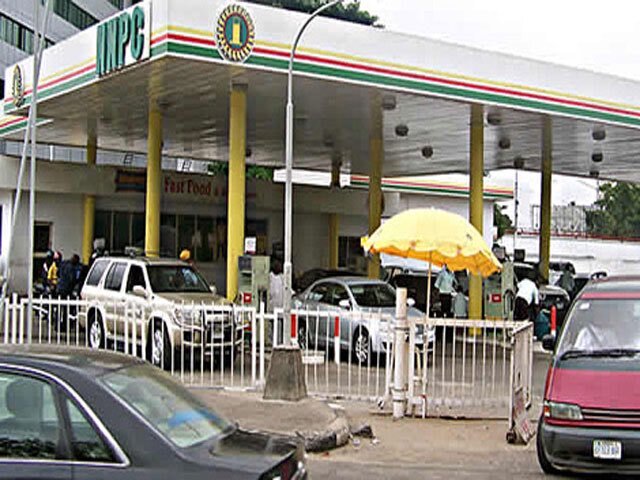
For decades, fuel scarcity has been a perennial problem for Nigerians, leading to long queues at filling stations, skyrocketing transportation costs, and a ripple effect of economic hardships. The twin challenges of scarcity and unaffordability of fuel have plagued Africa’s largest oil-producing nation, leaving citizens questioning how a country so rich in crude oil could struggle to provide its people with refined petroleum products.
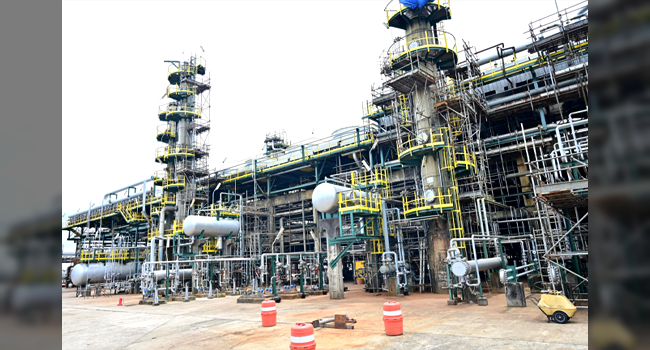
Recent developments, however, suggest that this cycle of hardship might be nearing its end. On December 21, 2024, Olufemi Soneye, Chief Corporate Communication Officer of the Nigerian National Petroleum Company Limited (NNPC Ltd.), issued a statement debunking media reports that the Old Port Harcourt Refinery had been shut down. According to him, the refinery remains fully operational, with former Group Managing Directors of NNPC recently verifying its functionality. Additionally, preparations for loading operations are underway, further affirming the refinery’s active status.
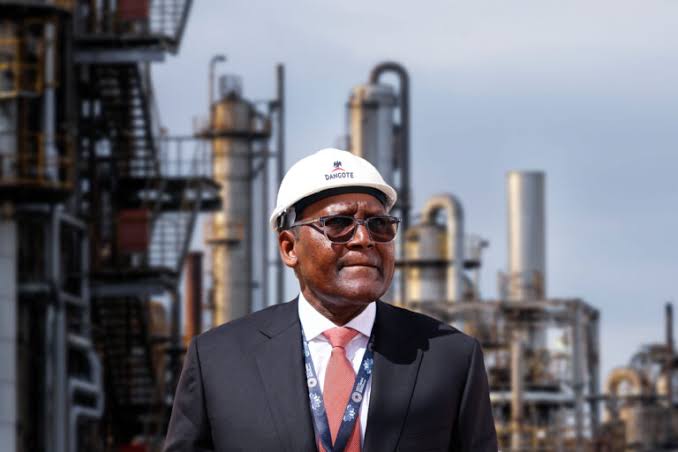
Similarly, the Warri Refinery, with a capacity of 125,000 barrels per day, has reportedly commenced operations. This announcement was made by the Group Chief Executive Officer of NNPC Ltd., Mele Kyari, during an inspection tour of the facility. Adding to this momentum is the fully operational Dangote Refinery, inaugurated on May 22, 2023. As the largest single-train refinery in the world, with a capacity to process 650,000 barrels of crude oil per day, the Dangote Refinery is poised to play a pivotal role in addressing Nigeria’s fuel needs.
But the question remains: Are these developments enough to finally resolve Nigeria’s lingering fuel woes?
Without a doubt, the root causes of fuel scarcity and unaffordability in Nigeria are multifaceted, stemming from a combination of inadequate refining capacity, supply chain inefficiencies, and regulatory bottlenecks. For years, Nigeria has relied heavily on imported refined petroleum products, despite being one of the world’s top crude oil producers. This paradox has not only drained the nation’s foreign reserves but also exposed it to the vagaries of global oil prices and exchange rate fluctuations.
With the recent re-streaming of the Old Port Harcourt Refinery and the revival of the Warri Refinery, there is hope that Nigeria’s refining capacity will increase significantly. When combined with the output from the Dangote Refinery, the country may finally achieve self-sufficiency in refined petroleum products. This shift would reduce the need for imports, stabilize fuel prices, and mitigate the impact of foreign exchange volatility on the local economy.
In fact, the operationalization of the Dangote Refinery marks a turning point in Nigeria’s downstream petroleum sector. Unlike government-owned refineries, which have historically been plagued by inefficiency, corruption, and poor maintenance, the Dangote Refinery represents a model of private sector efficiency and innovation. Its world-class facilities and scale of operations have the potential to not only meet Nigeria’s domestic fuel demand but also position the country as a net exporter of refined products.
However, for the private sector to thrive, the government must create an enabling environment. This includes ensuring policy consistency, addressing security challenges in the Niger Delta region, and implementing transparent pricing mechanisms that reflect market realities. The removal of fuel subsidies earlier this year is a step in the right direction, as it eliminates a major distortion in the market and encourages investment in refining and distribution infrastructure.
Despite these positive developments, significant challenges remain. The state of Nigeria’s infrastructure, particularly in transportation and storage, poses a major bottleneck to the efficient distribution of refined products. Without adequate pipelines, depots, and road networks, the benefits of increased refining capacity may not be fully realized.
Additionally, the affordability of fuel remains a concern for millions of Nigerians. While self-sufficiency in refining could lead to lower production costs, these savings may not immediately translate to lower pump prices. The government and private operators must strike a delicate balance between ensuring profitability and making fuel accessible to the average Nigerian.
There is also the issue of governance and accountability. The NNPC and other stakeholders must demonstrate a commitment to transparency in their operations to build public trust. This includes regularly publishing data on production, distribution, and pricing, as well as addressing any allegations of corruption or malpractice.
Without a doubt, resolving Nigeria’s fuel challenges would have far-reaching implications for the economy. This is as stable and affordable fuel supply would lower transportation and production costs, reduce inflation, and enhance the competitiveness of local businesses. It would also alleviate the financial burden on households, freeing up resources for other essential needs such as education and healthcare.
Moreover, increased refining capacity could create thousands of jobs across the value chain, from engineering and construction to logistics and retail. The government could also generate additional revenue from taxes and royalties, which could be reinvested in critical sectors of the economy.
While it may be too early to declare victory, the recent milestones in Nigeria’s refining sector offer a glimmer of hope. The combination of operational government-owned refineries and the Dangote
Refinery’s private sector expertise creates a unique opportunity to address the structural deficiencies that have long plagued the industry.
To sustain this progress, all stakeholders, government, private operators, and civil society, must work together to address lingering challenges and ensure that the benefits of increased refining capacity are felt by all Nigerians. Public vigilance and constructive engagement will be crucial in holding operators accountable and preventing a relapse into the old cycle of scarcity and unaffordability.
The signs are promising, but the road ahead remains uncertain. Nigeria’s history is replete with ambitious projects that failed to deliver on their promises due to poor execution and lack of political will. To avoid repeating these mistakes, the government must prioritize infrastructure development, enforce regulatory oversight, and foster an environment that encourages private sector participation.
If these steps are taken, Nigeria may finally be on the brink of overcoming its fuel scarcity and affordability challenges. Until then, the question lingers: Is the end of fuel scarcity and unaffordability truly in sight, or are these recent developments just another false dawn?






















You must be logged in to post a comment Login