
Global Issues
Kamala/Trump Presidential Debate: Lessons For Debate-Shy Nigerian Politicians To Learn From, by Isaac Asabor

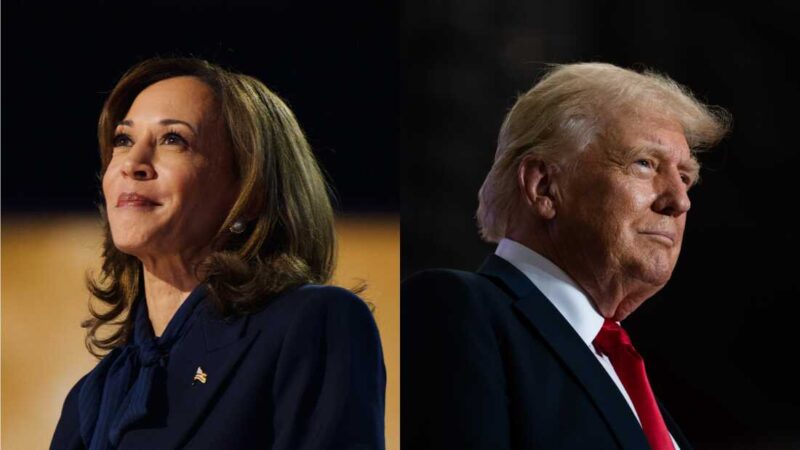
In democratic systems worldwide, debates serve as a critical medium for political contenders to engage the electorate, articulate their policies, and defend their records. In this regard, the Kamala Harris and Donald Trump debates in the U.S. presidential election cycle, though often polarizing, provide several valuable lessons for Nigerian politicians, particularly those who shy away from public debates. While debates have become a hallmark of mature democracies, Nigerian political candidates, have consistently avoided them, robbing the electorate of opportunities to scrutinize their leadership qualities.
This reluctance to engage in public discourse raises concerns about the democratic process in Nigeria, where citizens are often left with vague campaign promises or the image of candidates heavily protected by propaganda machinery. The Kamala-Trump debates offer critical insights Nigerian politicians can adopt to deepen democratic engagement.
One significant takeaway from the Kamala-Trump debates is the power of direct engagement with the electorate. These debates allow political candidates to address voters’ concerns in real-time, respond to criticisms, and provide clarity on contentious issues. Kamala Harris, during her vice-presidential debate with Mike Pence, seized every opportunity to address key topics, from healthcare to racial justice, demonstrating her grasp of policies that affect the average American.
For Nigerian politicians, debates represent a crucial platform for a similar kind of direct engagement. However, many candidates, especially at the gubernatorial and presidential levels, avoid such platforms. Instead, they rely on choreographed speeches, interviews with friendly journalists, or social media campaigns that rarely allow for direct scrutiny.
This avoidance deprives Nigerians of the chance to make informed decisions about who governs them. In a nation where trust in government is often fragile, public engagement through debates can help rebuild trust and foster accountability. Debate-shy Nigerian politicians need to understand that real leadership involves confronting the concerns of the electorate head-on.
Throughout the Kamala-Trump debates, there was a strong emphasis on the articulation of policies, even in the midst of personal attacks and fiery exchanges. Kamala Harris used the debate stage to present her and Joe Biden’s policy proposals on economic recovery, healthcare, and climate change, while Trump defended his administration’s handling of the economy and the COVID-19 pandemic. Despite the drama, voters were able to hear from both sides and weigh the potential impact of each candidate’s policies.
Unfortunately, in Nigeria, many political candidates rely on populist rhetoric rather than substantive policy proposals. The absence of debates reinforces this tendency, leaving citizens with vague promises and little detail. This approach reduces the electoral process to a guessing game, where voters are often forced to choose based on party loyalty rather than informed judgment.
Public debates push candidates to articulate their policies clearly and provide detailed explanations of how they intend to implement them. They also expose the flaws in shallow campaign promises, as candidates must back up their claims with facts and figures. For Nigerian politicians who claim to be serious about improving the country, debating provides the perfect platform to prove their competence.
Debates are not just about policies; they are also a test of temperament. One of the standout moments of the Kamala Harris-Mike Pence debate was Harris’s composed demeanor in the face of interruptions and pointed attacks. Her ability to remain calm under pressure showcased her readiness for high-stakes leadership. Similarly, Donald Trump’s confrontational style in his debates, though often criticized, revealed how his assertiveness resonated with a particular base of voters.
For Nigerian politicians, debates offer a platform to display their ability to handle criticism gracefully. Nigeria’s political climate is fraught with crises and public scrutiny, and leaders are expected to remain composed and make rational decisions under pressure. Debate-shy politicians often miss the chance to demonstrate their emotional intelligence and resilience, both of which are essential qualities for effective leadership.
The art of staying composed in the face of criticism is something Nigerian politicians must learn. In a country where elections are marred by mudslinging and accusations, the ability to rise above insults and focus on issues is crucial. Debates provide an arena for politicians to show voters that they are capable of leading with dignity, even when faced with personal attacks or uncomfortable questions.
One of the core values of democratic debates is the empowerment of voters through accountability. During the Kamala-Trump debates, both candidates were held accountable for their previous actions, promises, and positions on various issues. For instance, Donald Trump faced tough questions about his administration’s handling of the COVID-19 pandemic, while Kamala Harris had to defend her prosecutorial record as California’s Attorney General.
Debates serve as a powerful tool for holding politicians accountable, and this is sorely needed in Nigeria’s political landscape. In a country where public officials are often accused of corruption or incompetence, debates offer an opportunity for the electorate to challenge candidates directly. Nigerian voters deserve the chance to ask tough questions and demand accountability for past actions.
When Nigerian politicians avoid debates, they evade scrutiny and leave voters with limited information about their leadership capabilities. It is imperative that political candidates see debates not as traps but as platforms to defend their records, explain their vision, and reassure the public of their commitment to good governance.
The willingness to participate in public debates signifies the maturity of a democracy. In the United States, presidential and vice-presidential debates have become integral to the electoral process, reflecting the nation’s commitment to transparency and civic engagement. Despite the flaws in the Kamala-Trump debates, including interruptions and heated exchanges, the debates allowed for a public contest of ideas, policies, and character.
In contrast, Nigeria’s democratic culture remains stunted when political candidates, particularly incumbents, consistently shy away from debates. In the lead-up to the 2023 general elections, many gubernatorial and presidential candidates either avoided debates entirely or sent surrogates to represent them. This is a troubling trend that erodes the quality of democratic engagement and perpetuates a culture of impunity, where politicians feel no need to answer to the public.
Nigerian democracy is still evolving, and part of that evolution includes adopting global best practices like candidate debates. A healthy democracy thrives on the free exchange of ideas and the active participation of both leaders and citizens. When politicians refuse to participate in debates, they send a clear message: they are unwilling to subject their policies and records to public scrutiny.
As the 2027 elections approach, Nigerian politicians must learn from the lessons of the Kamala-Trump debates and embrace the culture of public debates. It is no longer enough to rely on choreographed rallies, carefully curated social media posts, or sponsored television ads. The electorate deserves real-time engagement where they can assess the character, competence, and policies of those vying for leadership positions.
Debate-shy politicians must recognize that debates are not a threat but an opportunity to connect with voters, clarify policies, and strengthen democratic values. Public debates are a critical component of transparent governance, accountability, and the overall health of democracy.
Ultimately, Nigerian voters should demand more from their leaders. In the words of Kamala Harris during one of her debates, “The American people deserve to know.” Similarly, the Nigerian people deserve to know who they are voting for, not just through campaign speeches, but through meaningful debates that test both policies and character. Nigerian democracy can only grow stronger when candidates rise to the challenge of public discourse, and the electorate is empowered to make informed choices.

























You must be logged in to post a comment Login