
Africa
Maladministration And Corruption In Nigeria Have Been A Long Time Simmering, Enough Is Enough! -By Isaac Asabor
To every Nigerian reading this: silence is complicity. Accepting the status quo is enabling the problem. If you truly love this country, then raise your voice, demand better, and hold your leaders accountable. To our so-called leaders: the days of impunity are numbered. The people are watching, and history will not forget.

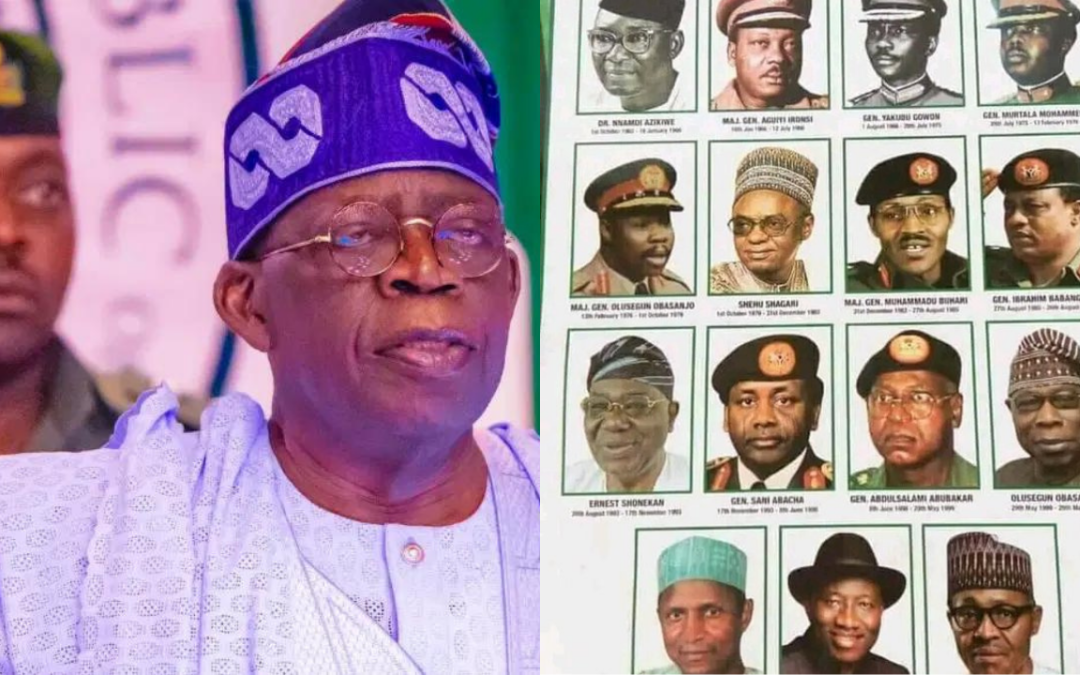
It is no longer news that Nigeria, a country blessed with vast human and natural resources, has for decades remained shackled by the twin evils of maladministration and corruption. What is disheartening, however, is that while citizens continue to suffer the consequences of these afflictions, poverty, unemployment, poor infrastructure, insecurity, and a failed health and education system, the leaders responsible for this dysfunction strut around in ostentatious wealth, unbothered by the wreckage they have created. The time has come to say it as it is: enough is enough.
Nigeria did not get here overnight. From the First Republic to the current administration, corruption has steadily eaten into the soul of the nation. It started subtly, backdoor deals, padded contracts, and unmerited political appointments, and has now evolved into a systemic cancer that defines governance in Nigeria. The civil war, military coups, and decades of authoritarian rule all contributed to the erosion of integrity in public service.
Military regimes entrenched impunity. Civilian administrations only inherited and refined the corrupt templates. The irony is galling: military rulers like Sani Abacha looted billions, yet subsequent democratic leaders were either unwilling or unable to bring such perpetrators and their cronies to full justice. Instead, the looting baton was passed on, and Nigeria became a textbook case of a “Lootocracy.”
Since Nigeria returned to democratic rule in 1999, each government has paid lip service to fighting corruption while furthering it under the table. Agencies like the Economic and Financial Crimes Commission (EFCC) and the Independent Corrupt Practices Commission (ICPC) have been reduced to political tools, only going after opposition politicians or small fries, while the real looters, those who siphon billions, get chieftaincy titles and cozy retirement plans.
Since Nigeria returned to democracy in 1999, the country has been plagued by monumental corruption scandals that have drained public resources and betrayed citizens’ trust. From the infamous $2.1 billion arms deal scandal under former National Security Adviser Sambo Dasuki during the Jonathan administration, to the Halliburton bribery scandal involving top Nigerian officials during Obasanjo’s tenure, the scale of looting has been staggering. The fuel subsidy fraud exposed under the Jonathan government saw billions of naira paid to phantom marketers. Under Buhari, the NDDC was enmeshed in a multi-billion naira corruption mess, with lawmakers and commission officials accused of diverting funds meant for Niger Delta development. Even anti-corruption agencies were not spared, with former EFCC boss Ibrahim Magu facing allegations of mismanagement and embezzlement. These scandals, among many others, reveal a culture of impunity and systemic rot across successive administrations. As expected, these stolen billions meant for the development of the country vanished into private pockets.
Or consider the countless ghost projects, inflated budgets, and “constituency projects” that exist only on paper. And yet, year after year, government officials brazenly defend these anomalies with a straight face.
Corruption in Nigeria is not always in hard cash. It exists in nepotism, tribalism, ethnic favoritism, and the complete disregard for meritocracy. When a person is given a government job not based on competence but on “who you know,” that is corruption. When contracts are awarded to companies owned by relatives of ministers and governors with no capacity to execute them that is corruption. When people are promoted based on political loyalty rather than performance that is corruption.
The sad truth is, corruption has become cultural. From the police checkpoint to the local government office, from the passport office to the university admission system, there is always a price tag. The average Nigerian has to “tip” his or her way through life, while those who cannot afford to play the game are left to rot in the sidelines.
Behind every inflated contract and padded budget is a classroom that was never built, a hospital that never got medicine, a road that never got tarred. The victims of corruption are not just statistics; they are living, breathing Nigerians who die on pothole-ridden roads, women who bleed to death in under-equipped maternity wards, children who learn under trees, and graduates who remain jobless because the system is too broken to create opportunities.
This is not just a failure of leadership; it is a betrayal of the social contract. Nigerians have been patient, too patient, perhaps. From the fuel subsidy frauds to the COVID-19 palliative scandals, to the missing funds from crude oil sales, and now to the economic wreck under the Tinubu-led administration, it is a never-ending cycle. Yet, the poor are told to tighten their belts while politicians travel abroad to treat headaches and attend weddings in Dubai.
It is time we move beyond hashtags and tweets. “Enough is Enough” cannot remain a catchy phrase. It must become a rallying cry for mass consciousness and action. Nigerians must begin to demand transparency and accountability not just during elections, but every day. The National Assembly must be forced to open its books. States must account for federal allocations. Local governments must show us what they’re doing with monthly subventions.
We must also revisit the concept of public office as a trust. Anyone who betrays that trust must face the law. Not the kind of law that allows plea bargains or laughable fines, but real consequences, seizure of assets, jail terms, and lifetime bans from public service. We must push for reforms that empower agencies like the EFCC to operate independently, without political interference. Most importantly, the judiciary must rise above inducements and deliver justice fearlessly.
Nigeria’s youth population, dynamic, resilient, and creative, cannot afford to stay on the sidelines. They must understand that governance is not a spectator sport. Whether it is through voter registration, civic engagement, peaceful protest, or joining political parties to change them from within, young Nigerians must disrupt the status quo. The End SARS movement showed us what is possible when Nigerian youths unite around a common goal. The fire from that movement must be rekindled and redirected toward systemic political change.
The media must also take responsibility. Investigative journalism should not be a rare occurrence. The press must stop dining with the oppressors and start exposing them. Journalists must be supported and protected to do their jobs without fear or favor. Likewise, civil society organizations must amplify citizen voices and hold elected officials accountable through litigation, advocacy, and public education.
Despite all this, there is still hope. Countries like Rwanda, Singapore, and even Ghana have taken deliberate steps to fight corruption and improve governance. If they can do it, Nigeria can too. But it will take political will, institutional reform, and mass citizen involvement. We cannot continue to treat corruption like a normal inconvenience; it is a national emergency.
Nigeria is bleeding, not from war, but from greed, negligence, and selfishness. Every kobo stolen is a nail in the coffin of a nation’s future. If we don’t take this seriously now, the damage may become irreversible.
To every Nigerian reading this: silence is complicity. Accepting the status quo is enabling the problem. If you truly love this country, then raise your voice, demand better, and hold your leaders accountable. To our so-called leaders: the days of impunity are numbered. The people are watching, and history will not forget.
Enough is enough. The time for action is now.





















You must be logged in to post a comment Login