Breaking News
Markets Mixed as Oil Slips on US-Iran Negotiation Progress, Pound Firms After Starmer Exit
Global markets traded mixed as renewed US-Iran negotiations eased Middle East concerns and investors reacted to Keir Starmer’s resignation in the UK.

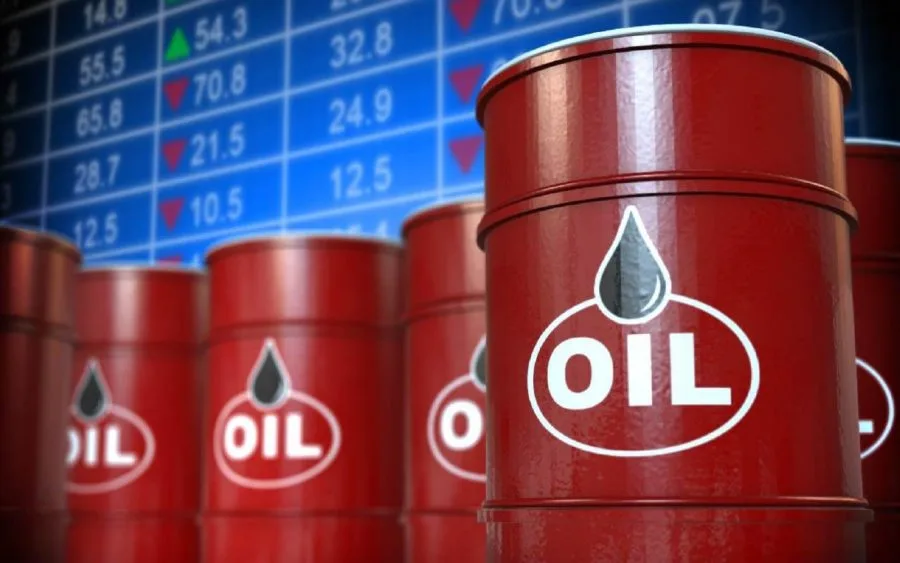
Global oil prices retreated Monday amid optimism surrounding talks between the United States and Iran, while the British pound held firm following Prime Minister Keir Starmer’s resignation.
Investors reacted positively after mediators suggested that negotiations between Washington and Tehran were moving toward a final agreement, easing fears over instability in the Gulf region.
Meanwhile, London stocks edged higher and Britain’s 10-year government bond yield declined as markets anticipated a smooth political transition after Starmer’s departure announcement.
Market attention remained centred on the Middle East, especially the possibility of restoring full tanker and cargo movement through the Strait of Hormuz.
Iranian negotiators concluded marathon discussions with US officials in Switzerland on Monday, state media reported, with mediators claiming significant progress toward a broader agreement aimed at ending Gulf tensions.
“The latest developments out of the Middle East have turned more constructive,” Deutsche Bank analyst Jim Reid said, noting that stronger oil flows through the Strait of Hormuz were “helping to calm markets”.
Swiss authorities said the conditions now support further talks between the US and Iran as both sides seek a long-term settlement within two months.
The latest negotiations follow last week’s memorandum of understanding signed by Tehran and Washington after a 40-day conflict and a ceasefire that has remained fragile.
Key issues under discussion include Iran’s nuclear programme and the country’s enriched uranium activities, which have remained major points of disagreement for decades.
Political uncertainty in Britain
Starmer’s resignation has raised expectations of policy changes in Britain, particularly around government spending and taxation, sparking caution among investors worried about debt levels.
Finance minister Rachel Reeves has overseen Labour’s economic agenda since the party returned to power and has faced backlash over several fiscal decisions.
Andy Burnham emerged as the leading contender to replace Starmer after receiving support from Wes Streeting.
Starmer is expected to stay on as prime minister until Labour chooses a new leader later this year, potentially making the incoming leader Britain’s seventh prime minister in a decade.
“The pound has taken the news in stride, although Burnham’s preference for fiscal expansion, higher taxes and greater gilt issuance is a concern,” said Enrique Diaz-Alvarez of Ebury.
“The critical question is who becomes chancellor,” he said.
“Continuity with Reeves would be the market’s preferred outcome, but any indication that a new chancellor intends to loosen or abandon the existing fiscal rules could trigger fresh selling in UK assets.”
Brent North Sea crude dropped 1.6 percent to $79.28 a barrel, while US benchmark West Texas Intermediate declined 0.7 percent to $75.35.
Africans Angle News