
Africa
Natasha Akpoti-Uduaghan: From Political Opposition To Public Mobbing -By Isaac Asabor
In fact, mobs manipulate public sentiment to serve the interests of the powerful. When politicians challenge entrenched systems or expose wrongdoing, mobbing becomes a tool to silence them and protect the status quo. This was evident in Natasha Akpoti-Uduaghan’s case, where a personal allegation triggered a mobbing campaign seemingly designed to deflect attention from her claims and protect elite interests.

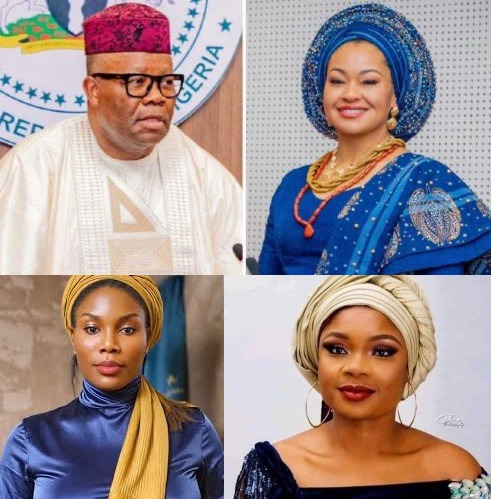
What began as a confrontation between Senator Natasha Akpoti-Uduaghan and Senate President Godswill Akpabio has since morphed into a full-blown mob campaign designed to shred her credibility, assassinate her character, and drown her voice under a wave of orchestrated smear. Let us call it what it is, this is no longer a political dispute. This is a brutal mobbing, and it is unjust.
At first glance, the matter seemed confined to the Senate floor. Natasha, representing Kogi Central, made serious allegations of sexual harassment against Akpabio. Whether these claims were true or not, they deserved an impartial investigation. Instead, the reaction from certain quarters has been anything but measured. A growing list of individuals and interest groups have risen, not in defense of truth or justice, but to destroy Natasha by any means necessary.
But who started this online mobbing? The earliest and most vocal instigator appears to be Dr. Sandra Duru, also known as “Professor Mgbeke”, a U.S.-based activist and self-acclaimed forensic investigator. Duru took it upon herself to lead a ferocious digital assault against Natasha, going beyond mere commentary into the realm of character assassination. In a Facebook Live session, she released private call logs and WhatsApp messages allegedly exchanged with Natasha, accusing the senator of offering a ₦200 million bribe to frame Akpabio for organ harvesting and link him to the death of a young woman, Iniubong Umoren.
Duru’s role in this entire saga goes beyond that of a whistleblower. She positioned herself as a judge, jury, and executioner, driven by what many now suspect to be political or personal motives. But even her credibility took a nosedive when media personality Francess Olisa Ogbonnaya came forward to expose what appeared to be a sinister conspiracy. In an interview with investigative journalist Adeola Fayehun, Ogbonnaya alleged that Duru paid her ₦300,000 to fabricate a damaging audio clip that would implicate Natasha. She refused to follow through on parts of the script that were indefensible, triggering a fallout with Duru.
Ogbonnaya supported her claims with screenshots of WhatsApp chats, payment receipts, and a script titled “Light Mask: The Politics of Blackmail and Emotional Manipulation.” It became glaring that this was not merely about truth, it was about takedown. Adding fuel to the fire, during Duru’s live broadcast, a missed call from “Senator Akpabio SP” appeared on her phone screen, casting a heavy cloud of suspicion over her independence and intentions.
So, who are those really behind the mobbing? While names like Duru stand out, this goes deeper. It is a coalition of politically motivated actors, attention-seeking influencers, and digital mercenaries who would rather protect powerful men than listen to inconvenient truths. They operate like a virtual lynch mob, amplifying falsehoods, spreading edited content, and spinning narratives with zero accountability.
Was there a conspiracy against Natasha? The evidence, though circumstantial, suggests so. The scripting of fake audios, financial inducements to influencers, and coordinated online attacks are all red flags. There is an unmistakable pattern of silencing, framing, and defaming, hallmarks of a premeditated smear campaign. The question is not whether Natasha is guilty or innocent. The question is: Why is due process being replaced with digital stoning?
It is deeply troubling that the real issue, whether or not a sitting Senate President committed sexual harassment, has been completely buried under the noise of leaked chats, unverified claims, and character defamation. What we are witnessing is coordinated aggression against a woman who dared to raise her voice. Instead of letting institutions do their job, people with no official stake in the matter are now leading the charge to crush her, not just politically, but personally.
Natasha is no stranger to hostility. During her senatorial campaign, she was belittled, mocked, and resisted with every force imaginable. She defied those odds, won her seat, and started speaking out against the rot in the system. Now, she is being punished for it, not with policy debate or legal rebuttal, but with public humiliation, digital warfare, and targeted harassment.
This is not democracy. This is mob justice masquerading as accountability. If Natasha has indeed committed a crime or falsely accused someone, let the law take its course. But this gang-style takedown, led by people with questionable motives, is nothing short of disgraceful.
And what danger does this mobbing culture pose to democracy? A grave one. When society replaces institutions with mobs and trials with trending hashtags, democracy dies a slow death. When a woman in power is mobbed like this for speaking up, it sends a chilling message to others: “Keep quiet, or we will ruin you.” It is no longer about Akpabio. The fight has shifted. It is Natasha versus “Them”, those who would rather protect the status quo than confront uncomfortable truths.
Nigeria must rise above this toxic culture. Let the facts be examined, not the person. Let justice be pursued, not vendetta. And most importantly, let us stop normalizing mob attacks against voices we do not agree with. Because when we fail to protect one, we endanger all.
Against the foregoing backdrop, it is expedient to condemnably comment that social media mobbing, which is an aggressive, coordinated online attack aimed at discrediting or destroying someone’s reputation is not good for our democracy. Without a doubt, it has become a ruthless weapon in today’s political arena. When directed at politicians, the consequences can be far-reaching, and often irreversible. Here’s a blunt, realistic analysis of the impact:
First and foremost, Social media mobbing allows detractors to chip away at a politician’s credibility rapidly. With hashtags, edited videos, doctored screenshots, and viral misinformation, political careers can be damaged overnight. The court of public opinion rarely waits for facts, it reacts to emotions, and mobbing feeds on that frenzy.
In a similar vein, politicians under siege often find themselves forced to address personal attacks instead of focusing on governance or legislative work. Mobbing shifts attention from meaningful debates to petty mudslinging, effectively hijacking public discourse and derailing policy progress.
Still in a similar vein, the barrage of insults, threats, and ridicule can take a serious mental health toll. Some politicians withdraw from public engagement, others lose the fire to continue serving. Female politicians, in particular, bear the brunt of gendered insults and misogynistic narratives, often making them question their safety and space in politics.
In fact, mobs manipulate public sentiment to serve the interests of the powerful. When politicians challenge entrenched systems or expose wrongdoing, mobbing becomes a tool to silence them and protect the status quo. This was evident in Natasha Akpoti-Uduaghan’s case, where a personal allegation triggered a mobbing campaign seemingly designed to deflect attention from her claims and protect elite interests.
Also, when online mobs replace due process and institutions, democracy takes a hit. Social media becomes judge, jury, and executioner. This undermines the rule of law and sets a dangerous precedent: whoever controls the narrative online, controls the outcome, facts be damned.
Again, potentially brilliant, well-meaning individuals get discouraged from entering politics after seeing how quickly mobbing can ruin reputations. In a country like Nigeria, where we desperately need fresh, uncorrupted voices in politics, social media mobbing is acting as a gatekeeper of the worst kind.
However, social media mobbing is not activism. It is not justice. It is digital vigilantism that can destroy lives, stifle dissent, and poison democracy. When it becomes the dominant mode of engagement with our leaders, we do not just lose good politicians, we lose the soul of civic discourse itself.






















You must be logged in to post a comment Login