Africa
Nigeria @64: A Sleeping Giant!, by John Kokome

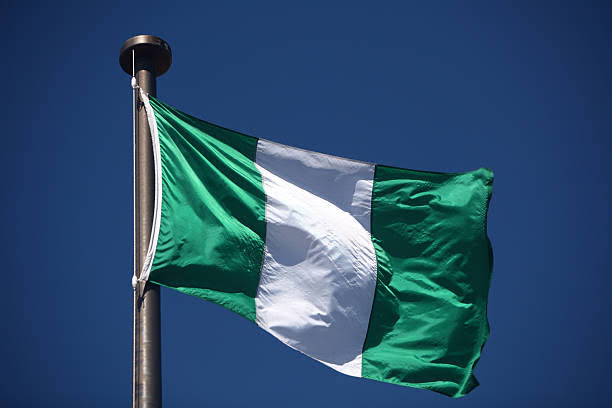
Nigeria—often referred to as the “Giant of Africa”—continues to arouse conflicting emotions of hope and disappointment 64 years after gaining independence. Despite having an abundance of natural resources, a young population, and a significant cultural impact, Nigeria is still unable to realise its full potential due to structural issues. The comparison between Nigeria’s promise and its unrealised potential is reflected in the idea of the country as a “sleeping giant.”
One of Nigeria’s greatest advantages is that it is the most populated country in Africa, home to almost 200 million people. The nation is positioned as a leader on the continent due to its great range of cultures, languages, and customs. Its abundant natural resources—crude oil in particular—have supported the economy and brought in large sums of money. Nigeria has become increasingly influential on the international scene as a result of its cultural exports, such as Nollywood and Afrobeats, which have gained widespread acclaim.
The giant is still mostly inactive in terms of development despite these advantages. Significant segments of the populace are still beset by unemployment, poverty, and economic inequality, and daily worries about infrastructure and security get worse. The 1960s independence held us the prospect of wealth, but it hasn’t materialised completely.
Nigeria’s past is replete with instances of progress and development that were lost. The country has suffered from political instability ever since achieving independence, including bloody civil wars and military takeovers. Nigeria’s incapacity to realise its full potential has been mostly attributed to corruption, resource mismanagement, and inadequate governance. The economy is now more susceptible to shocks due to its excessive reliance on oil and the instability of the world’s oil markets, with minimal diversification into other industries like manufacturing, technology, or agriculture.
Brain drain is one of the biggest effects of ineffective government. Too few possibilities at home have led many of Nigeria’s sharpest minds to seek greener pastures abroad. Further impeding the country’s progress has been this loss of human capital.
At 64, insecurity continues to be one of Nigeria’s biggest problems. While banditry, kidnapping, and inter-communal violence have expanded throughout the nation, the North-East area is still struggling with insurgency, mostly from Boko Haram and ISWAP. In addition to resulting in fatalities, these security problems have also hampered business operations, uprooted thousands of people, and fostered terror.
The nation’s complicated security environment is made more tense by the escalating separatist movements in the South-East. Nigeria’s social and economic progress has been hampered by the incapacity to address these issues successfully.
Despite being one of the biggest in Africa, Nigeria’s economy has not been able to bring wealth to the vast majority of its people. Inflation, unemployment, and the high cost of living have pushed many into poverty. Formal job prospects are few, while the informal sector is still quite large. Structural problems still prevent growth despite several economic reforms, such as the introduction of measures to support small enterprises and farmers.
It is also challenging for businesses to prosper when there are deficiencies in the infrastructure, such as low-quality road systems, inadequate energy, and a lack of medical facilities. Due to a lack of investment in critical areas, Nigeria is also less industrialized and technologically advanced than many of its international competitors.
Nigeria’s youth may hold the key to the country’s most hopeful future. Nigeria is one of the youngest countries in the world, with over 60% of the population under 25. Economic development, innovation, and social change may be significantly influenced by this demographic dividend. Particularly in fields like technology, entertainment, and entrepreneurship, Nigerian youths have already demonstrated their ability to be innovative and leaders.
Movements such as #EndSARS called for structural changes in security, governance, and economic possibilities, highlighting the youth’s mounting dissatisfaction with the status quo. However, large expenditures in education, skill development, and job creation are needed if Nigeria is to fully realize the promise of its youthful population.
Leadership is key to Nigeria’s potential to emerge from its slumber. The nation requires leaders who can address the root causes of economic mismanagement, insecurity, and corruption. These leaders must be honest, accountable, and visionary. There have been proposals for political reorganisation to provide states with greater autonomy and allow different regions to grow per their unique requirements and strengths. But Nigeria runs the risk of staying the same if there isn’t the political will to make these kinds of adjustments.
Many people found hope in the 2023 elections as they searched for leaders who could set the country on a new path. To guarantee that Nigeria can fulfil its potential, reforms in public institutions, the judiciary, and governance are still needed.
At 64, Nigeria is still a paradox: a country with enormous potential that finds it difficult to live up to its expectations. Although it won’t be simple, waking is attainable. Nigeria needs to put national unity, youth empowerment, economic diversification, and good governance first. Finally, the sleeping giant may awaken to its full potential and lead not only Africa but the world at large with the correct leadership and teamwork.
John Kokome
A Communications Strategist and Public Affairs Analyst writes from Lagos
kokomejohn@yahoo.com