Africa
Nigeria: Healing the Digital Psychosis of a Nation -By Patrick Iwelunmor
Nigeria’s digital psychosis is not a story about technology, but about temperament. It is the story of a people still learning how to heal themselves in the presence of their own pain. The cure will not come from laws or algorithms, but from a rediscovery of empathy as the highest form of intelligence. When we begin to see one another again, not as tribes, not as hashtags, but as human beings, Nigeria’s cyberspace may finally emerge from therapy, renewed, compassionate, and sane enough to dream again.

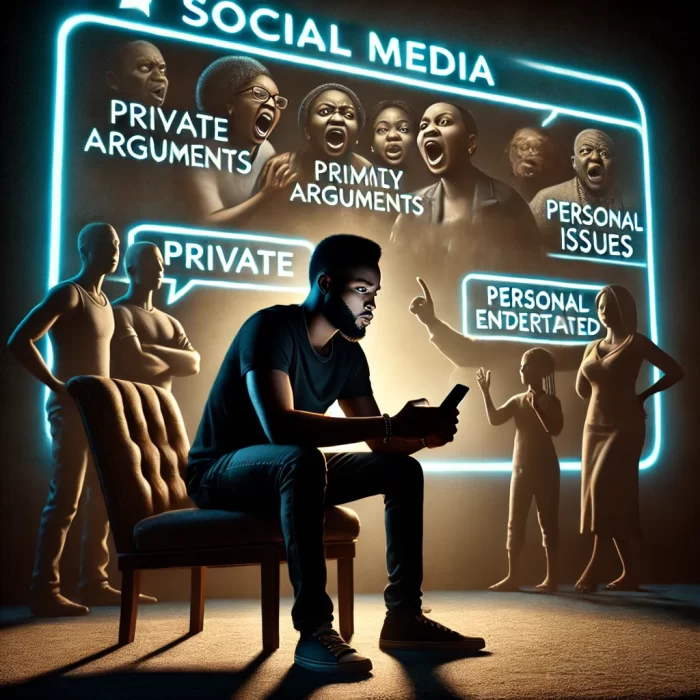
If cyberspace were a mind, Nigeria’s digital consciousness would be in turmoil; brilliant yet troubled, expressive yet unstable, alive yet afflicted by recurrent bouts of paranoia and aggression. What we confront daily on X, Facebook, TikTok, and other digital platforms is no longer mere social interaction; it is a national mood disorder, a digital psychosis born of pain, politics, and polarisation. Every scroll reveals not just opinion but obsession; not just debate but disorder.
To study the digital temperament of Nigeria is to peer into the subconscious of a nation still negotiating justice, identity, and belonging. The same platforms that could have become instruments of enlightenment have turned into theatres of rage. What began as civic participation has degenerated into a collective therapy session gone wrong, a mass outpouring of bitterness dressed as engagement.
Before he became President, Bola Ahmed Tinubu once lamented in a public video the growing toxicity of Nigeria’s social media space. He warned that digital platforms had become arenas where citizens, frustrated by hardship and distrust, now vent their anger and frustrations in uncultured language. “I don’t read social media anymore. They abuse the hell out of me. If I read it, I get high blood pressure,” he had said. His observation, often dismissed then as political self-defence, was in fact prophetic. Today, Nigeria’s cyberspace resembles a psychological battlefield, where words wound as deeply as weapons, and national conversation teeters between catharsis and chaos.
From the digital riots that followed the 2023 elections to the tribal crossfire that ignites under every political post, Nigeria’s cyberspace has become a mirror of our collective anxiety. A harmless policy debate easily mutates into an ethnic confrontation. Economic hardship transforms into tribal blame. Misinformation spreads faster than truth because distrust has become our default setting. Nigerians are no longer just online; they are on edge, constantly armed with hashtags and hashtags alone.
This hostility did not begin online. It is the digital echo of deeper wounds: decades of injustice, inequality, and the emotional exhaustion of a people who feel unheard. The Yoruba’s grievance over June 12, the Igbo’s trauma of Biafra, and the Hausa’s sense of perpetual demonisation have each become psychic residues now expressed through tweets and posts. Social media did not invent these tensions; it simply unmuted them. The internet has become the new national confessional booth, where the faithful gather not to heal but to hurl.
At the heart of this disorder lies an erosion of empathy, the shrinking of our collective conscience. We react before we reflect. We accuse before we understand. The line between civic expression and moral anarchy has become perilously thin. Anger, when denied outlets of justice, seeks revenge in language. A frustrated citizen becomes an ethnic warrior online, a digital vigilante seeking validation through outrage. Each insult becomes a small shot of temporary relief, a psychological sedative against powerlessness.
This is not to excuse the cruelty of our conversations, but to diagnose it. When justice is scarce, rage finds new platforms. When leadership appears distant, the people turn to the nearest stage, the internet, to express their pain. Nigeria’s cyberspace has become an emotional climate change zone, overheating daily with unchecked passions and moral fatigue.
Yet, every illness holds within it the possibility of healing. The cure for Nigeria’s digital psychosis will not come from censorship, but from conscience. What our cyberspace needs is a moral therapy, a reawakening of decency, restraint, and ethical literacy. We must learn again that digital freedom is not freedom from empathy. To post is to participate in shaping the nation’s collective psyche. To insult another tribe is to injure our shared sanity.
Influencers, journalists, and public commentators, those who command digital battalions of followers, must remember that influence is not amusement alone; it is moral stewardship. The ethics of influence in a wounded society must go beyond visibility; it must embody responsibility. To heal the digital mind of the nation, we need voices that build, not break; that enlighten, not enrage.
Leadership itself has a therapeutic role. The tone of governance determines the temperament of cyberspace. When political leaders speak with empathy and inclusion, they cool the digital temperature of the nation. Justice and fairness are not only legal ideals; they are psychological medicines. A government that treats all regions with equity heals the national mind more effectively than any algorithmic filter ever could.
The Presidency, as the moral compass of the Republic, can lead this renewal through a National Digital Citizenship Charter, a framework that promotes responsible speech, empathy, and civic decency. In partnership with the National Orientation Agency, the Ministries of Information and Education, and Nigeria’s tech ecosystem, such a charter could birth a Digital Decency Campaign: a movement for online empathy, media literacy, and constructive civic dialogue. Healing Nigeria’s digital mind must be a matter of statecraft, not sentiment.
This is particularly urgent as the 2027 general elections begin to loom on the horizon. History warns that Nigeria’s electoral cycles tend to inflame the nation’s ethnic and digital nerves. Already, partisan armies are regrouping online, ready to deploy misinformation and emotional warfare. If we do not detoxify the nation’s digital bloodstream now, the next election may test not just our democracy but our sanity. Nigerians must therefore choose a new patriotism, one founded on decency, empathy, and truth.
The government can set the tone, but the people must echo it. Digital citizenship must now mean more than freedom of speech; it must mean responsibility of speech. Before we repost, we must reflect. Before we react, we must research. Before we insult, we must imagine. This is how nations civilise their digital temperaments by teaching reflection before reaction.
Cyberspace is no longer a playground for idle talk; it is a battlefield for national identity. It shapes our foreign image, investor confidence, and social stability. A country’s online temperament increasingly mirrors its governance temperament. To heal one, we must heal both.
If Nigeria is to rediscover its moral centre, it must first heal its digital soul. Our diversity —Igbo enterprise, Yoruba intellect, Hausa endurance — is not a liability but a mosaic of strength. Properly harnessed, these attributes can turn cyberspace from a site of suspicion into a sanctuary of dialogue. The youth who dominate our digital landscape can either inherit our divisions or redeem them. The choice, as always, is ours.
The real revolution Nigeria needs will not trend. It will begin quietly in empathy, in reflection, in restraint. The internet has given us a mirror, and now, as a nation, we must decide what reflection we wish to see.
In the end, Nigeria’s digital psychosis is not a story about technology, but about temperament. It is the story of a people still learning how to heal themselves in the presence of their own pain. The cure will not come from laws or algorithms, but from a rediscovery of empathy as the highest form of intelligence. When we begin to see one another again, not as tribes, not as hashtags, but as human beings, Nigeria’s cyberspace may finally emerge from therapy, renewed, compassionate, and sane enough to dream again.