
Africa
Nigeria May Be Flawed, But It Should Not Be De-Marketed, by Isaac Asabor

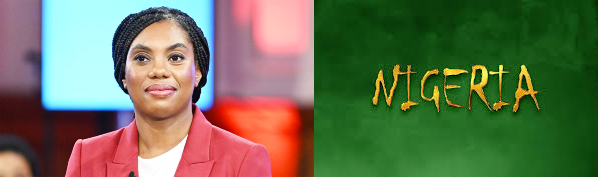
The African proverb, “No matter the roughness of the tortoise shell, it still cherishes it by carrying it about wherever it goes,” offers a poignant metaphor for Nigeria’s current image on the global stage. The tortoise, like Nigeria, has its imperfections. Its shell may be rough and unsightly, but it remains its identity and source of pride. So too must Nigeria, despite its challenges, be a nation we hold up with pride, not one we tarnish, particularly on the world stage.
Recently, global audiences were treated to sharp criticisms of Nigeria by two influential Nigerians: international music icon Davido and Kemi Badenoch, Britain’s Secretary of State for Business and Trade. While their frustrations with the country’s systemic issues may resonate with many, their comments inadvertently cast a shadow over Nigeria’s reputation, sparking widespread debates at home and abroad.
Davido, who has long been celebrated for promoting African music globally, made headlines when he expressed his frustration with the state of governance and infrastructure in Nigeria. While his sentiments are shared by many Nigerians, his approach left some questioning whether he could have framed his critique differently, particularly given his status as a global ambassador for Nigerian culture.
Similarly, Kemi Badenoch’s remarks, rooted in her personal experiences, painted a bleak picture of Nigeria. Her statements were widely interpreted as a denunciation of the country, which many believed went beyond constructive criticism. Badenoch’s comments may have resonated with certain audiences, but they also reinforced negative stereotypes about Nigeria, feeding into a narrative that the country is a place to escape rather than a land of opportunity.
Both incidents reignited a recurring debate: How should Nigerians, especially those in influential positions, address the country’s issues without de-marketing it?
Criticism is an essential tool for progress. Constructive feedback, whether from citizens or the diaspora, has the potential to spur reforms. However, there is a fine line between productive criticism and comments that harm the nation’s global reputation. This distinction becomes even more significant when such remarks are made on the world stage by influential figures.
Nigeria’s challenges are well-documented, corruption, insecurity, poor infrastructure, and economic instability. These are systemic issues that successive governments have struggled to address. However, highlighting these flaws in a way that paints the entire country in a negative light risks overshadowing the genuine efforts being made to resolve them.
At a time when the government is striving to attract foreign investors and reposition the country’s image, de-marketing Nigeria could have dire consequences. Perception matters immensely in the global arena. Investors, tourists, and even potential allies are swayed by how a country is portrayed. When negative narratives dominate, they undermine efforts to showcase the country’s potential and discourage meaningful partnerships.
Figures like Davido and Kemi Badenoch wield immense influence. Their words carry weight, and their platforms amplify their messages to millions of people worldwide. For better or worse, they are seen as unofficial ambassadors of Nigeria. Their actions and statements shape global perceptions of the country.
While their grievances may stem from genuine concerns, the manner and platform on which they air these concerns should be carefully considered. For instance, Davido, who has successfully put Nigerian music on the global map, could balance his criticism by highlighting the resilience, creativity, and potential of the country’s people. Similarly, Badenoch, despite her personal experiences, could use her position to advocate for change in a way that uplifts rather than diminishes Nigeria’s image.
It is not about ignoring the country’s issues or sugarcoating its realities. Rather, it is about being mindful of the impact of one’s words and ensuring that criticisms are constructive and balanced. There is a need for influential Nigerians to frame their narratives in a way that inspires hope and emphasizes the country’s strengths alongside its challenges.
Nigeria’s image is more than just a matter of pride; it has tangible implications for the country’s economic and social development. A positive perception attracts foreign investment, fosters tourism, and boosts national morale. Conversely, a negative image creates skepticism, discourages investment, and deepens the sense of despair among citizens.
Consider the impact of negative global narratives on sectors like tourism and foreign direct investment (FDI). When potential investors or tourists hear only about corruption, insecurity, and inefficiency, they are less likely to see Nigeria as a viable destination. This not only affects the economy but also limits opportunities for job creation and poverty alleviation.
Moreover, the country’s reputation affects its citizens’ experiences abroad. Negative stereotypes about Nigeria often lead to discrimination against Nigerians in international settings, from visa applications to business dealings. Protecting the country’s image, therefore, is not just about national pride; it is about safeguarding the interests and dignity of every Nigerian.
Other countries face their own challenges, yet they manage to protect their global image while addressing internal issues. The United States, for instance, grapples with racial inequality, gun violence, and political polarization. Yet, its citizens and leaders are often careful to highlight its strengths and potential even as they work to address its flaws.
Similarly, China, despite criticisms of its political system and human rights record, has successfully positioned itself as a global economic powerhouse. This balance between acknowledging internal challenges and projecting a positive image is something Nigeria must emulate.
Nigeria’s story is one of complexity. It is a nation of immense potential, blessed with abundant natural resources, rich cultural heritage, and a vibrant, entrepreneurial population. These strengths should form the foundation of the country’s narrative, even as it confronts its weaknesses.
Balanced narratives do not ignore the truth; they provide context and perspective. For every story about corruption, there should be another about innovation and resilience. For every critique of governance, there should be recognition of progress, no matter how incremental. This approach not only fosters hope but also reinforces the idea that change is possible.
Every Nigerian has a role to play in protecting the country’s image. This does not mean turning a blind eye to its challenges. Rather, it means finding constructive ways to address these issues while celebrating the country’s achievements. Social media, for instance, can be a powerful tool for promoting positive stories about Nigeria and countering negative narratives.
Diaspora communities, in particular, have a unique responsibility. As representatives of Nigeria abroad, they have the power to shape perceptions through their actions and words. By highlighting the country’s strengths and advocating for solutions to its challenges, they can help build a more balanced and accurate global image of Nigeria.
The African proverb reminds us that the tortoise does not abandon its shell because of its roughness. Similarly, Nigerians at home and abroad must remember that our identity and reputation are inseparable from the nation itself. This is not a call to silence dissent but a plea for balanced narratives that inspire growth rather than reinforce stereotypes.
Nigeria is on a journey of transformation. The road may be rough, but the destination holds promise. Let us critique where necessary, but let us also be mindful of how we speak about our nation in spaces that shape global perception. The roughness of the shell does not diminish its value. It is, after all, still home.


























You must be logged in to post a comment Login