Africa
Nigeria-South Africa Cooperation: A Promising Partnership or a Missed Opportunity?, by Muhammad Konto

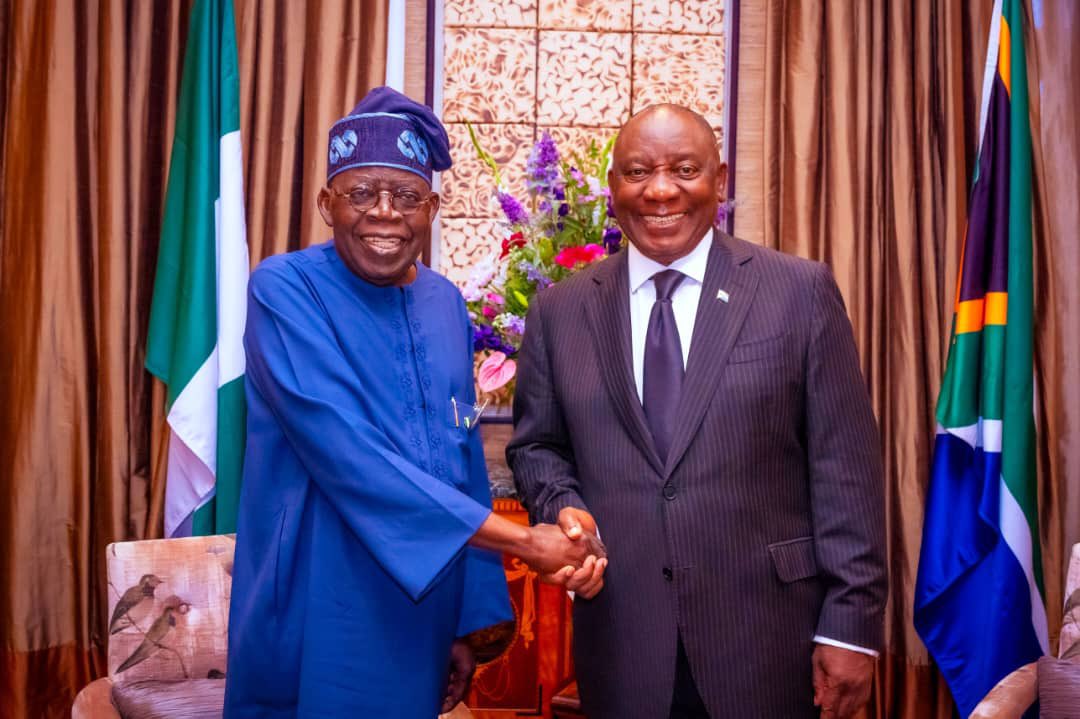
As Nigeria prepares to deepen its strategic cooperation with South Africa in the infrastructure and mining sectors, I am left with mixed feelings about the potential outcome of this partnership. On one hand, the collaboration could bring about significant economic benefits and growth opportunities for both countries. On the other hand, I worry that Nigeria might not be getting the best deal, considering its vast natural resources and South Africa’s already established mining industry.
The BRICS summit, which Nigeria failed to attend due to administrative struggles, highlighted the importance of cooperation among emerging economies. South Africa, as a key player in the BRICS bloc, has been championing the interests of Africa within the forum.
However, Nigeria’s absence from the summit raises questions about its commitment to regional cooperation and its ability to capitalize on opportunities that could benefit its economy.
Additionally, I am concerned that Nigeria might be walking into a partnership that could exacerbate its already significant infrastructure deficit. While South Africa has a more developed mining industry, Nigeria’s infrastructure challenges could hinder its ability to fully benefit from the partnership.
The Africa Finance Corporation has emphasized the need for instrumental infrastructure solutions to close the infrastructure gap and unleash Africa’s prosperity. It remains to be seen whether this partnership will prioritize Nigeria’s infrastructure development needs.
Nigeria’s mining sector is largely underdeveloped, and the country has struggled to attract significant investment in the industry. The partnership with South Africa could provide a much-needed boost to the sector, but it is essential that Nigeria negotiates a fair deal that benefits its economy and people.
One of the primary concerns is that Nigeria might be forced to compromise on its economic interests in order to secure the partnership. This could lead to a situation where Nigeria becomes a junior partner in the relationship, with South Africa dictating the terms of the partnership.
Moreover, there is a risk that the partnership could exacerbate the existing economic inequality between Nigeria and South Africa. South Africa is already one of the most developed economies in Africa, and the partnership could further widen the gap between the two countries.
Despite these concerns, there are also potential benefits to the partnership. For instance, South Africa has a well-developed mining industry, and Nigerian miners could benefit from South African expertise and technology. Additionally, the partnership could provide opportunities for Nigerian businesses to expand into the South African market.
Yet, it is crucial that Nigeria approaches this partnership with caution and ensures that its interests are protected. The country must prioritize its infrastructure development needs and negotiate a deal that benefits its economy and people in the long run.
To achieve this, Nigeria must develop a clear strategy for the partnership, outlining its goals and objectives. The country must also ensure that it has the necessary institutional capacity to negotiate and implement the partnership.
Nigeria must be transparent about the terms of the partnership and ensure that they are subject to public scrutiny. This will help to build trust and confidence in the partnership among Nigerians.
It is also essential that Nigeria engages in extensive consultations with various stakeholders, including civil society organizations, the private sector, and local communities. This will help to ensure that the partnership is inclusive and benefits all Nigerians.
Nigeria must ensure that the partnership is aligned with its national development priorities. The country has set ambitious targets for economic growth and development, and the partnership must be designed to support these goals.
Nigeria must be mindful of the potential risks associated with the partnership. For instance, the country must ensure that it is not exposing itself to undue economic risks or compromising its sovereignty.
To mitigate these risks, Nigeria must develop a comprehensive risk management strategy that identifies potential risks and outlines measures to mitigate them.
Nigeria must ensure that the partnership is based on mutual benefit and respect. The country must not compromise its values or principles in order to secure the partnership.
As Nigeria moves forward with the partnership, it is essential that the country learns from its past experiences and avoids making the same mistakes.
The partnership must be designed to support Nigeria’s economic growth and development, and the country must ensure that it is not compromising its sovereignty or exposing itself to undue economic risks.
Ultimately, the success of the partnership will depend on Nigeria’s ability to negotiate a fair deal that benefits its economy and people.
In assumption, while the Nigeria-South Africa cooperation holds promise, it is crucial that Nigeria approaches this partnership with caution and ensures that its interests are protected.
The country must prioritize its infrastructure development needs and negotiate a deal that benefits its economy and people in the long run.
By doing so, Nigeria can ensure that the partnership is a success and that it contributes to the country’s economic growth and development.
Muhammad Konto
Mass Communication Department, Borno State University.