
Africa
Nigerians, Is It Time for Wike to Take a Break?, by John Egbeazien Oshodi

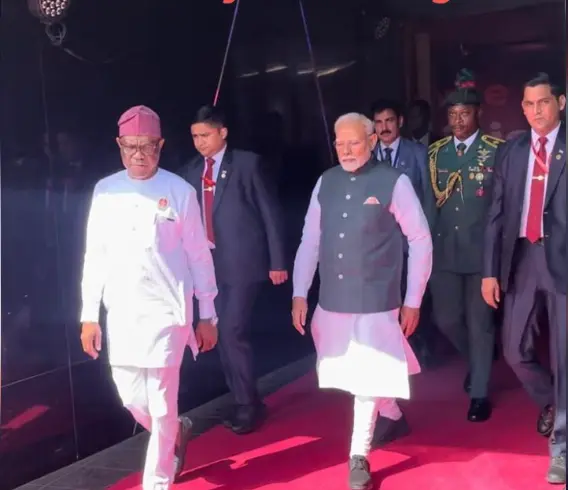
Diplomatic Decorum and Leadership: Examining Nyesom Wike’s Conduct and the Case for Rest, Testing, Therapy, or a Needed Break
Indian Prime Minister Narendra Modi’s historic visit to Nigeria was meant to symbolize the strengthening of diplomatic ties between two global partners. Yet, the visit has been overshadowed by the controversial conduct of Nigeria’s Federal Capital Territory (FCT) Minister, Nyesom Wike, during a high-profile diplomatic moment. The viral video of Wike’s unsteady demeanor and awkward behavior has raised profound questions about leadership decorum, accountability, and governance in Nigeria. Was this an isolated incident, or does it reflect a deeper issue within the nation’s political class? Can such behavior from a senior official be excused or ignored, especially during an event of such diplomatic importance?
Wike’s Silence and the Presidency’s Unusual Quiet
The Tinubu presidency’s refusal to address the controversy surrounding Wike’s behavior is glaring. In a country where the administration has been quick to rebut criticism or controversies, this silence seems strategic. Why has the presidency avoided commenting on the issue? Is this an attempt to shield a key ally, or is there a broader discomfort in holding senior officials accountable? Could this inaction signal a lack of internal mechanisms for evaluating the behavior of top government officials?
If Wike’s conduct were an isolated incident, perhaps it could be dismissed as a lapse in judgment. But given his history of erratic decisions and confrontational behavior, does this silence instead highlight a culture of impunity? Why hasn’t the presidency at least ordered an internal investigation or suggested a formal evaluation of Wike’s ability to perform his duties effectively? Is the government prioritizing political expediency over national integrity?
An Established Pattern of Erratic and Confrontational Leadership
Wike’s career is not without controversy. From his tenure as Rivers State governor to his current role as FCT Minister, Wike has consistently been embroiled in disputes. Does his leadership style prioritize conflict over collaboration? His impulsive decision-making, such as the demolition of homes belonging to poor residents in Abuja, has drawn sharp criticism. What was the rationale behind such actions? Were they carefully planned or executed in a fit of impulsivity?
Wike’s threat to “put fire” in a governor’s state over political disagreements raised alarms about the destructive potential of his rhetoric. How can a leader entrusted with public welfare make statements that appear to promote discord rather than unity? His altercation with a female senator from Abuja over the city’s administration further underscores his inability to engage in constructive dialogue. Are these incidents evidence of a temperament ill-suited to public office, or do they reflect a broader issue of unchecked authority?
Even within his own political party, Wike’s history of public feuds raises questions about his commitment to collaboration. Why has Wike, time and again, chosen to lash out rather than build bridges? Could his confrontational approach be alienating allies and undermining his ability to lead effectively?
Alcohol Allegations: Public Concern and Leadership Responsibilities
While I do not accuse Wike of being an alcoholic or abusing substances, nor have I seen any medical evidence or tests to confirm such claims, the public discourse surrounding his behavior cannot be ignored. Reports of his erratic actions, coupled with media observations of his physical appearance—described by some as gaunt and unwell—raise legitimate concerns. Is Wike experiencing the physical toll of his demanding job, or could these changes be indicative of deeper health or personal issues?
Wike’s own admissions also add fuel to these concerns. In a public address earlier this year, he confessed to drinking a 40-year-old whiskey while watching members of his own party protest the February 25 presidential election results. How does such behavior reflect on his priorities and his capacity to handle the pressures of governance? Should a public official tasked with such significant responsibilities openly admit to indulgent behavior during a politically charged moment?
Rotimi Amaechi’s allegations that Wike spends N50 million weekly on alcohol further complicate the narrative. While these claims may stem from political rivalry, they align with the broader perception of Wike’s lifestyle. How can such allegations persist without a formal rebuttal or clarification from Wike himself? If untrue, why hasn’t Wike taken steps to clear his name?
Stress, Therapy, and Global Precedents
Leadership is undeniably stressful, but how should nations handle public officials who appear to be struggling under the weight of their responsibilities? Globally, troubled leaders are often encouraged—or even required—to take breaks, seek therapy, or undergo evaluations to ensure they are fit for office. Could the Tinubu presidency adopt a similar approach with Wike? Would suggesting rest, therapy, or even a vacation be seen as a sign of support rather than punishment?
Furthermore, alcohol and drug testing for public officials is not uncommon in many parts of the world, particularly when public concern arises. Should Nigeria consider implementing such measures as a means of protecting its officials and ensuring accountability? Could such proactive steps benefit Wike personally while also reassuring the public about the integrity of the nation’s leadership?
The Diplomatic Fallout: Tarnishing Nigeria’s International Image
Prime Minister Modi’s visit should have been a triumph for Nigeria’s diplomacy, highlighting the nation’s ability to host a world leader with respect and professionalism. Instead, the focus has shifted to Wike’s behavior. How might this incident affect Nigeria’s international standing? Could it damage relationships with India or other nations observing Nigeria’s governance practices?
The conferral of the Grand Commander of the Order of Niger on Modi was meant to symbolize Nigeria’s respect for India’s contributions to global progress. But has Wike’s conduct overshadowed this gesture? How can Nigeria rebuild its diplomatic reputation in the wake of such an incident?
Wike’s Legacy and the Need for Honest Leadership
As Wike continues to court controversy, one must ask: what will his legacy be? Can a leader so embroiled in personal battles and erratic decisions be remembered as a statesman? Or will his tenure be marked by a series of avoidable crises? Wike’s tendency to prioritize confrontation over collaboration has created an atmosphere of tension and mistrust. Is it time for him to take a step back, reflect, and consider a different approach to leadership?
Equally, the Tinubu presidency must address the broader implications of Wike’s behavior. Does allowing such conduct to go unchecked set a dangerous precedent for other public officials? How can the administration demonstrate its commitment to accountability while supporting officials who may be struggling?
The Physical, Emotional, and Behavioral Effects of Alcohol
Alcohol consumption, especially when excessive or long-term, can significantly affect an individual’s physical, emotional, and behavioral state. Physically, alcohol abuse can lead to irregular heart rhythms, weakened immune responses, liver damage, cirrhosis, and an increased risk of cancer. It can also result in severe withdrawal symptoms, including tremors, seizures, and muscle spasms, sometimes contributing to odd movements or unsteady gait. Emotionally, prolonged use often leads to heightened anxiety, depression, mood swings, and an inability to manage stress effectively. Behaviorally, alcohol can exacerbate impulsivity, aggression, erratic decision-making, and strained interpersonal relationships, often leading to visible conflicts in personal and professional interactions.
While I make no claim that Nyesom Wike exhibits or experiences any of these effects, as I have not tested him or seen evidence of substance use, it is important to consider the immense stress of his role. His odd movements during recent events, coupled with the high-pressure nature of his responsibilities, suggest the potential toll of managing constant political confrontations at local, state, and federal levels—most recently during Prime Minister Modi’s visit. Empathy is necessary here; supporting Wike through rest, therapy, or even time off could help him address the burdens of his demanding position and allow for reflection and recovery.
Conclusion: Leadership, Accountability, and the Questions Left Unanswered
Wike’s recent actions and the public discourse surrounding them raise critical questions—not just about his personal conduct, but about the standards of leadership in Nigeria. Is it enough to dismiss these incidents as political noise, or should they prompt a deeper examination of governance and accountability? Can Wike rise to the occasion, address public concerns, and adopt a more collaborative and transparent leadership style? Or will he continue down a path that risks further tarnishing his reputation and undermining public trust?
For the Tinubu administration, the challenge is equally pressing. How can it navigate this controversy while maintaining public confidence? Will it take the bold step of suggesting therapy, rest, or testing for Wike in the interest of the nation, or will it allow the matter to fade without resolution? These questions demand answers—not just from Wike, but from a leadership structure that must balance compassion with accountability to uphold the integrity of public office.

Professor John Egbeazien Oshodi, born in Uromi, Edo State, Nigeria, is an American-based police and prison scientist, forensic/clinical psychologist, public policy psychologist, and legal psychologist. He’s a government advisor on forensic-clinical psychological services in the USA and the founder of the Dr. John Egbeazien Oshodi Foundation for Psychological Health. With a significant role in introducing forensic psychology to Nigeria through N.U.C. and Nasarawa State University, he’s also a former Secretary-General of the Nigeria Psychological Association. He’s taught at esteemed institutions like Florida Memorial University, Florida International University, Nova Southeastern University, and more, and is currently an online faculty member at ISCOM University, Weldios University and Walden University.

















You must be logged in to post a comment Login