
Africa
Nigeria’s Insecurity Crisis: Why is Tinubu Ignoring Governor Zulum’s Call to Address Boko Haram/ISWAP Resurgence? -By Jeff Okoroafor
Governor Zulum’s warnings represent far more than routine political statements—they constitute a desperate plea from a leader witnessing the daily suffering of his people. President Tinubu’s continued silence and inaction in response amounts to a profound betrayal of Nigerians living in the shadow of terrorism. Nigeria cannot afford another decade of empty promises and escalating violence. The time for decisive action is now. The pressing question remains: Is President Tinubu truly listening, or has political maneuvering completely overshadowed his responsibility to protect Nigerian lives?


Nigeria’s security situation continues to deteriorate at an alarming rate, with terrorists, bandits, and armed groups operating with near impunity across vast swathes of the country. Despite repeated government assurances of progress, the grim reality on the ground paints a picture of escalating violence, mass kidnappings, and an emboldened insurgency. One of the most disturbing developments is the resurgence of Boko Haram and its deadlier splinter faction, the Islamic State West Africa Province (ISWAP), particularly in the Northeast region.
Borno State Governor, Professor Babagana Zulum, has emerged as one of the few political leaders demonstrating genuine courage in confronting Nigeria’s security challenges. His recent warning about surrendered Boko Haram fighters being reintegrated without proper scrutiny, leading to a dangerous resurgence of attacks, should have triggered an immediate and robust federal response. Yet, President Bola Tinubu’s administration appears conspicuously indifferent to these warnings from a governor who arguably understands the crisis better than most federal officials. This glaring indifference raises serious questions about Nigeria’s security strategy under the current administration and suggests a troubling disconnect between the federal government and the realities faced by frontline states.
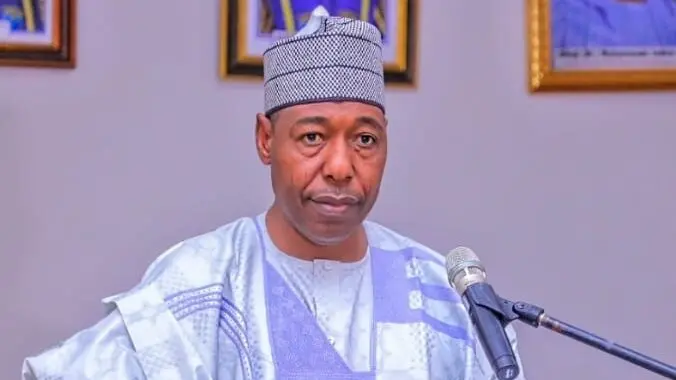
Zulum
Governor Zulum’s warnings carry exceptional weight because they come from a leader who has consistently operated on the frontlines of this crisis. Unlike many Nigerian politicians who comment on insecurity from the safety of secure zones in Abuja, Zulum has personally visited attacked communities, confronted military commanders about lapses, and pushed relentlessly for meaningful security reforms. His recent revelation that supposedly “repentant” Boko Haram fighters are rejoining terror groups and launching fresh attacks was not mere speculation but based on verifiable security intelligence and patterns of violence.
The governor’s concerns are substantiated by several disturbing trends. Security reports indicate a noticeable increase in attacks across Borno, Yobe, and Adamawa states despite official claims of military success. There are multiple documented cases of former terrorists returning to militant activities after benefiting from government deradicalization programs. Perhaps most alarmingly, local communities are increasingly losing faith in these rehabilitation initiatives, with many reporting that so-called repentant fighters later participate in or facilitate deadly attacks on the very populations they were supposedly reintegrated into.
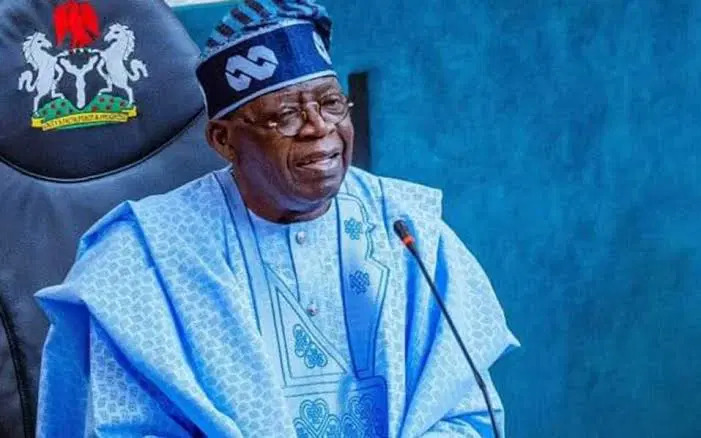
The federal government’s silence in response to these warnings is deafening and deeply troubling. Rather than addressing Zulum’s concerns through policy adjustments, emergency security meetings, or even public acknowledgment of the issues raised, the Tinubu administration has maintained what appears to be a deliberate silence. This inaction transcends mere negligence and begins to resemble complicity in the worsening security crisis.
Several plausible explanations emerge for the federal government’s apparent disregard of Governor Zulum’s warnings. There appears to be a concerning pattern of the Tinubu administration dismissing critical voices, particularly those originating from states perceived as opposition strongholds. While Zulum himself is not an opposition politician, his persistent demands for more decisive military action may conflict with the federal government’s preferred narrative of steadily improving security conditions.
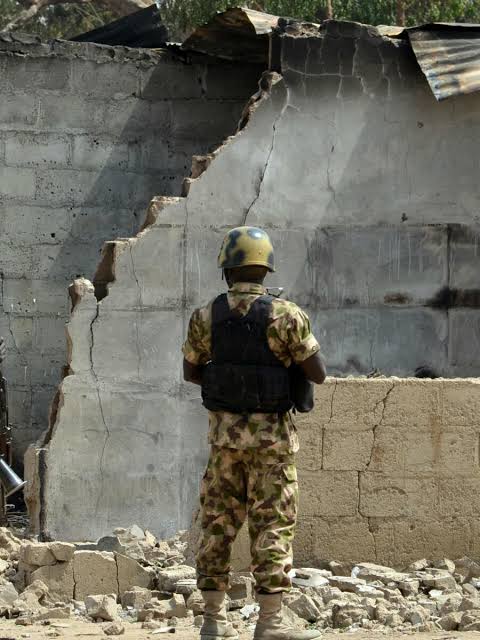
The government’s much-touted “Operation Safe Corridor” deradicalization program has faced widespread criticism from security experts for its fundamental flaws and lack of proper monitoring mechanisms. Despite clear evidence that many reintegrated fighters return to terrorist activities, the government continues to promote the program, possibly to maintain an illusion of progress in the counterinsurgency effort.
Nigeria’s security forces are dangerously overstretched, simultaneously combating banditry in the Northwest, separatist tensions in the Southeast, and persistent farmer-herder clashes in the Middle Belt. The federal government may be avoiding drastic action in the Northeast to prevent exposing the military’s limited capacity and resources. Additionally, there appears to be significant international pressure, particularly from Western nations, to maintain “soft” approaches to counterterrorism, including reintegration programs, despite their questionable effectiveness in the Nigerian context.
The consequences of ignoring Governor Zulum’s warnings could prove catastrophic. More civilian lives will inevitably be lost as communities that initially cautiously accepted surrendering terrorists now live in constant fear of betrayal. The already fragile trust between citizens and government institutions continues to erode, particularly when even a pro-government governor like Zulum finds his urgent security concerns ignored. Most alarmingly, Boko Haram and ISWAP are exploiting this period of federal inattention to regroup, rearm, and strengthen their networks, with the reintegration program providing them valuable intelligence on security operations and community vulnerabilities.
Immediate action is required to address this deteriorating situation. The government must conduct a thorough, transparent review of the amnesty program with stricter profiling and monitoring of surrendered terrorists. Military presence and resources in high-risk areas need significant bolstering, as Zulum has repeatedly advocated. The administration must replace propaganda with honest, regular updates on counterterrorism efforts. Most critically, the long-overdue establishment of state police would empower governors like Zulum to take more direct responsibility for security in their jurisdictions.
Governor Zulum’s warnings represent far more than routine political statements—they constitute a desperate plea from a leader witnessing the daily suffering of his people. President Tinubu’s continued silence and inaction in response amounts to a profound betrayal of Nigerians living in the shadow of terrorism. Nigeria cannot afford another decade of empty promises and escalating violence. The time for decisive action is now. The pressing question remains: Is President Tinubu truly listening, or has political maneuvering completely overshadowed his responsibility to protect Nigerian lives?
Jeff Okoroafor is a social accountability advocate and a political commentator focused on governance, accountability, and social justice in West Africa.


























You must be logged in to post a comment Login