Africa
Nigeria’s Renewable Energy Potential: A Pathway To Sustainable Development, by Salis Muhammad Suleiman

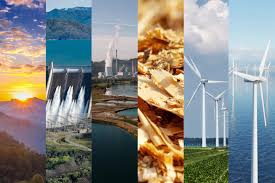
Nigeria, with its abundant natural resources, holds significant potential in renewable energy, yet its vast resources remain largely untapped. As the world pivots towards sustainable energy solutions to combat climate change and reduce carbon emissions, Nigeria has an opportunity to harness its renewable energy potential to foster both environmental and economic growth. With consistent power shortages and dependence on fossil fuels, transitioning to renewable energy sources like solar, wind, and hydroelectric power is a strategic avenue for the country to address its energy needs while mitigating the adverse effects of climate change.
One of Nigeria’s most promising renewable energy sources is solar power. The country is located in the equatorial region, which offers it a favorable position for solar energy production, with over 2,000 hours of sunshine annually. In fact, Nigeria’s solar energy potential is considered one of the highest in Africa, with an estimated 426 GW of solar power potential, according to the International Renewable Energy Agency (IRENA). The demand for electricity is consistently high, but the national grid struggles to meet it, making off-grid solar energy a viable solution for rural and urban areas alike. Innovations in solar energy, such as mini-grids and solar home systems, have shown success in areas with little to no access to the national grid, particularly in northern Nigeria where the grid coverage is weak.
Wind energy is another potential resource in Nigeria, though it has yet to be fully developed. The country’s northern regions, particularly areas such as Sokoto, Yobe, and Borno, experience relatively high wind speeds, which could be harnessed for energy production. In 2013, Nigeria’s first wind farm project was inaugurated in the northeastern state of Katsina, and more are being planned. While wind energy is not as widely adopted as solar, it can provide a complementary source of power in areas where solar energy may not be as effective during certain seasons or times of the day.
Hydropower also plays a significant role in Nigeria’s renewable energy potential. The country has several large rivers, including the Niger and Benue, and multiple reservoirs suitable for hydroelectric power generation. Nigeria’s existing hydropower capacity is primarily located in the central and southern regions, with notable plants such as the Kainji and Jebba hydroelectric stations. Despite this, the full potential of hydroelectric power has yet to be fully explored, particularly in areas where small and medium-sized hydro projects could meet local energy demands.
However, while the potential is enormous, Nigeria faces several barriers to realizing the benefits of renewable energy. One of the primary challenges is the lack of adequate infrastructure and investment in renewable energy technologies. The electricity grid is outdated, inefficient, and unable to handle additional renewable energy input, particularly from off-grid solar installations. Additionally, the financial investment required to develop renewable energy infrastructure is substantial, and the country struggles with limited access to finance, particularly for smaller-scale projects.
Another challenge is regulatory uncertainty and weak policy frameworks. The absence of a clear and stable policy for renewable energy development has made it difficult to attract both domestic and international investors. Although Nigeria has made strides with its Renewable Energy Master Plan and the Nigerian Electricity Regulatory Commission (NERC), there is a need for greater commitment from both the government and the private sector to prioritize renewable energy as a critical part of the country’s energy transition strategy.
The rural-urban energy divide also presents a significant hurdle. While urban areas are better connected to the national grid, rural communities, where a significant portion of the population resides, still face severe electricity deficits. These communities often rely on kerosene, firewood, and charcoal, which not only contribute to environmental degradation but also pose significant health risks. In these areas, renewable energy sources such as solar power offer a cleaner, more affordable alternative.
Despite these challenges, Nigeria is taking steps in the right direction. The Nigerian government, alongside private sector players, is increasingly investing in renewable energy projects. The Rural Electrification Agency (REA) is working on providing solar-powered mini-grids to rural communities, which is helping to reduce reliance on fossil fuels and provide clean energy solutions. Furthermore, international partnerships, such as the Nigeria Electrification Project, funded by the World Bank, are helping to accelerate the development of renewable energy projects in off-grid and underserved areas.
In addition to energy production, renewable energy has the potential to create thousands of jobs, stimulate economic growth, and reduce the country’s dependence on fossil fuels. The global trend towards cleaner energy sources is not only an opportunity for environmental sustainability but also for economic diversification. Nigeria, a nation heavily dependent on oil exports, can reduce its vulnerability to global oil price fluctuations by embracing renewable energy as part of its economic diversification strategy.
In conclusion, Nigeria’s renewable energy potential is vast and largely untapped, offering the country a path towards sustainable energy independence and economic growth. However, the challenges of infrastructure, regulatory frameworks, and financial investment need to be addressed for Nigeria to fully capitalize on its renewable energy resources. By prioritizing renewable energy development, Nigeria can not only meet its growing energy needs but also position itself as a leader in Africa’s transition to a green, sustainable economy. With the right policies, investments, and public-private partnerships, Nigeria can harness its renewable energy potential and pave the way for a more sustainable and prosperous future.
Salis Muhammad Suleiman is a 300 level student from Mass Communication Department Borno State University Maiduguri.