Africa
Of Hardships And Fading Christmas Spirit In Nigeria, by Isaac Asabor

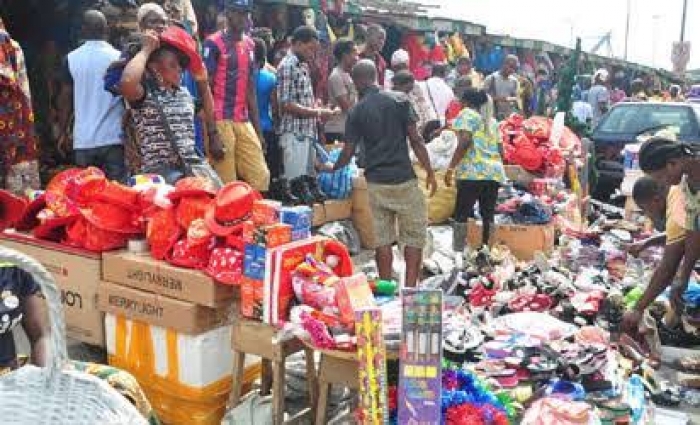
Christmas, once a season of boundless joy, togetherness, and celebration in Nigeria, is becoming a fading memory of what it used to be. For decades, the yuletide season symbolized hope and the promise of better days ahead. Homes would buzz with activity, marketplaces would brim with excited buyers, and streets adorned with colorful lights and decorations reflected the contagious festive spirit. However, as Nigeria grapples with economic hardship and societal challenges, the essence of Christmas appears to be dwindling, leaving many nostalgic for the past.
Nigeria’s economic situation has taken a toll on its citizens, especially in recent years. Spiraling inflation, high unemployment rates, and dwindling purchasing power have left many families struggling to make ends meet. Basic necessities like food, transportation, and shelter have become luxuries for a significant portion of the population. According to the National Bureau of Statistics, Nigeria’s inflation rate hit a staggering 26.72% in October 2024, with food inflation climbing even higher. These figures paint a grim picture of a nation in distress, where survival takes precedence over celebration.
In the past, Christmas was a time when families indulged in special meals, new clothes, and shared gifts. Today, however, many are unable to afford these traditions. The cost of staple items like rice, chicken, and vegetable oil, essential for preparing the beloved Nigerian Christmas Jollof rice, has skyrocketed. For instance, a 50kg bag of rice, which cost around ₦20,000 in 2020, now exceeds ₦80,000. With salaries stagnant and job opportunities scarce, the festive cheer is being replaced by anxiety and despair.
The government’s policies and economic decisions have compounded the hardships faced by Nigerians. The removal of fuel subsidies, though intended to address fiscal deficits, has led to astronomical increases in transportation and energy costs. A litre of petrol now costs over ₦1000 across the country, significantly affecting the cost of goods and services. While government officials tout palliatives and short-term relief measures, many citizens question their effectiveness and reach.
Additionally, the widening gap between the rich and poor has further eroded the collective festive spirit. In urban centers like Lagos, Abuja, and Port Harcourt, affluent neighborhoods still light up with grandeur during Christmas, while impoverished areas remain dark and desolate. This stark contrast fuels resentment and underscores the growing inequality in the country.
Beyond economic factors, cultural and social changes are contributing to the fading Christmas spirit. Urbanization and the migration of young people to cities in search of better opportunities have weakened the traditional family structure. Many can no longer afford to travel back to their villages to celebrate with extended family, a cornerstone of Nigerian Christmas culture. Rising transportation costs and safety concerns on the country’s roads further discourage these journeys.
Moreover, the commercialization of Christmas has shifted the focus from communal celebrations to materialism. Shopping malls and online platforms aggressively market luxury items, creating unrealistic expectations and adding pressure to an already burdened populace. For many, the inability to meet these expectations deepens feelings of inadequacy and loss.
Despite the challenges, the religious significance of Christmas remains a beacon of hope for many Nigerians. Churches across the country continue to hold vibrant Christmas services, emphasizing the birth of Christ as a symbol of renewal and salvation. For the faithful, the spiritual essence of Christmas provides solace amid adversity.
However, even religious institutions are not immune to economic realities. Donations and tithes, which sustain many church activities, have dwindled as congregants face financial difficulties. In some communities, traditional Christmas outreach programs, such as providing food and clothing to the needy, have been scaled back or discontinued altogether.
Elders often reminisce about the Christmases of their youth, when the air was filled with carols, the streets echoed with the laughter of children, and neighbors exchanged gifts regardless of social standing. Those were times when a shared sense of community overshadowed individual struggles. But as economic hardship deepens, this nostalgia feels increasingly out of reach.
Ayo, a market woman in Lagos, reflects on the changes: “When I was young, Christmas was for everyone. Even the poorest families could find joy in the little things. Now, everything is about money. If you don’t have it, there’s no Christmas for you.”
While the fading Christmas spirit is a reality, Nigerians’ resilience and creativity continue to shine through. Communities are finding new ways to adapt and celebrate within their means. In some neighborhoods, groups pool resources to organize modest street parties or communal meals, reviving the spirit of togetherness. Social media platforms have also become avenues for spreading cheer, with individuals sharing messages of hope and goodwill.
Entrepreneurs are stepping in to provide affordable alternatives for festive needs. Local tailors, for instance, offer reasonably priced clothing options, while small-scale poultry farmers supply live chickens at lower costs than big retailers. These grassroots efforts demonstrate that the Christmas spirit, though dimmed, is not entirely extinguished.
Reviving the Christmas spirit in Nigeria requires collective effort. Policymakers must prioritize economic reforms that alleviate the burden on ordinary citizens, ensuring that essential goods and services are affordable. Religious and community leaders can play a pivotal role by fostering inclusivity and encouraging acts of kindness, regardless of financial status.
For individuals, rediscovering the true essence of Christmas, love, compassion, and unity, is crucial. Small gestures, such as sharing meals, visiting loved ones, or volunteering time to help those in need, can go a long way in rekindling the festive flame.
Christmas in Nigeria is at a crossroads, caught between the weight of economic hardship and the enduring resilience of its people. While the grandeur of past celebrations may seem like a distant memory, the core values of the season remain alive in the hearts of many. By focusing on these values and supporting one another through these trying times, Nigerians can reclaim the fading spirit of Christmas and ensure that its light continues to shine for generations to come.