Forgotten Dairies
Oil Prices Crash, Governments Shield Profits, Not People -By Fransiscus Nanga Roka
A much stronger framing for policymakers is: fuel pricing is not solely an economic management issue, it is a constitutional equity question. Delayed pass through of lower oil prices pays a disguised levy on consumption however fraying state and corporate stability sheets. That is a nice little trick, fiscally speaking, but socially destructive.

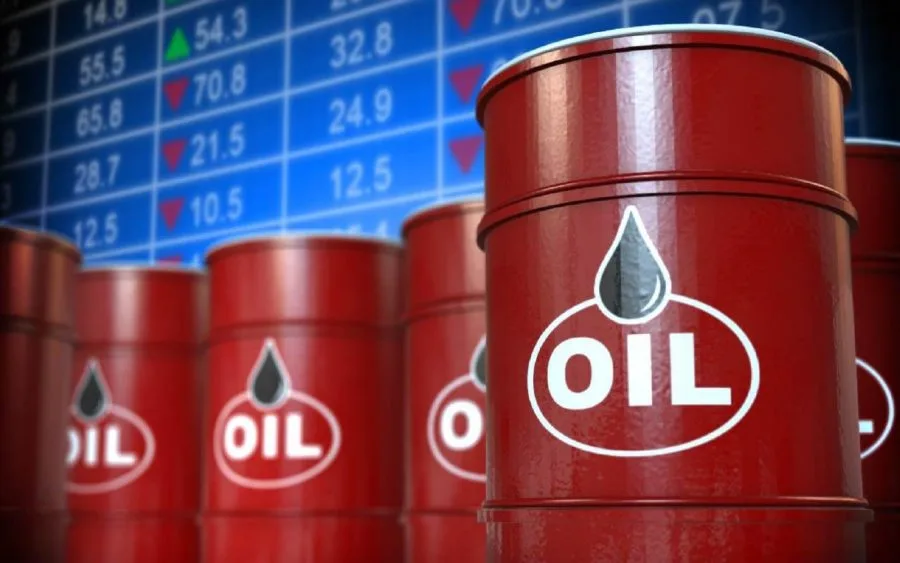
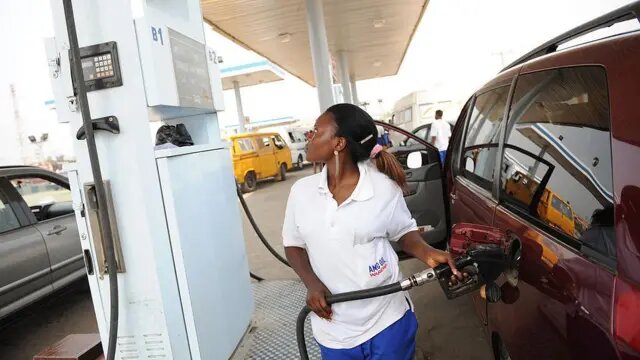
Plummeting global oil prices have to relieve the pressure on households and businesses. But in Indonesia lower crude prices do not consistently mean lower fuel prices because retail pricing is influenced by lagged benchmarks, subsidy and compensation mechanisms, exchange rate pressure and import dependence. This is politically palatable but socially retrogressive: whenever oil jumps, consumers feel the brunt almost immediately; when oil sinks, relief is delayed or diluted at best or redirected to fiscal and corporate balance sheet repair in worse cases.
This is more than just a pricing problem. It is a governance problem. Summary Fuel policy in Indonesia is functioning as a tool to cushion state finances instead of protecting citizens from variation. Technical motto provides the relevant cover: Mean of Platts Singapore benchmarks, compensation burdens, rupiah depreciation, logistics costs; the public experience is simple: the pain is socialized quickly and easily while profits are delayed. This asymmetry undermines public trust, undermined energy justice and reinforces the notion that macroeconomic stability is bought at the expense of ordinary households.
The question for Indonesian policymakers now is not if the existing system can be ever-defended administratively, but whether it is politically and socially defensible. A fuel-pricing regime designed to safeguard fiscal comfort while further postponing relief for consumer will soon lose credibility, in a nation where transport costs determine inflation, food prices and real wages.
Strategic recommendations for Indonesia
First, Transition to citizen specific subsidies from product related handouts. As it is, these systems could be progressively replaced with in person transfers to poor households and direct dispensation to public transport operators, fishers, farmers, and logistics actors particularly affected by the uptick in fuel costs. That would limit leakage to richer groups and create fiscal headroom for education, health and social protection.
Second, Require a clear and automatic pricing formula. The DART effects that were supposed to lead to lower retail prices ultimately didn’t last long. Global price decline over a defined review period should trigger automatic adjustments downward in non-subsidised fuel prices without delay caused by discretionary political calculations.
Third, Construct a fiscal stabilization buffer under hard rules As oil prices fall, an appropriate portion of this windfall should be applied to recoup former compensation expenses. But it will have to happen under clear rules, publicly reported and time-limited. The “stability” under these conditions then becomes a permanent reason to forego relief from the real economy and consumers.
Fourth, Reduce structural import dependence. The Philippines needs upstream expansion output in Gas reserves and a coherent refining strategy. Import dependence must be seen as a strategic weakness rather than the de facto justification for high fuel prices.
Fifth, Accelerate transport and energy transition. Patrol policy on its own will not give us fuel justice. Expanding mass transit, enhancing freight efficiency, facilitating electric mobility where economically rational, and investing in renewables will progressively lessen the vulnerability of our households to oil shocks.
Sixth, Strengthen democratic oversight. Data on subsidies, compensation, and pricing need to be routinely accessible to Parliament, audit institutions, and civil society. Fuel policy must be treated as a publicly accountable issue, not some technocratic black box.
Policy framing
A much stronger framing for policymakers is: fuel pricing is not solely an economic management issue, it is a constitutional equity question. Delayed pass through of lower oil prices pays a disguised levy on consumption however fraying state and corporate stability sheets. That is a nice little trick, fiscally speaking, but socially destructive.
This means that for Indonesia the strategic goal should be obvious: from price suppression politics to energy justice in transparency. A state should not simply survive volatility: it has to distribute both pain and relief.
Faculty of Law University 17 Agustus Surabaya dan Managing Partner Law Firm Victorious Indonesia