Africa
Oil Wealth and Economic Reality in Nigeria -By Precious Unwuchola
Nigeria’s economic struggles and oil sector challenges are deeply interconnected. Dependence on oil, price volatility, infrastructure gaps, and unemployment continue to limit development. For students of Mass Communication, this topic demonstrates how economics, governance, and media intersect to shape national destiny. Through responsible reporting and public engagement, the media can contribute meaningfully to economic reform and national progress

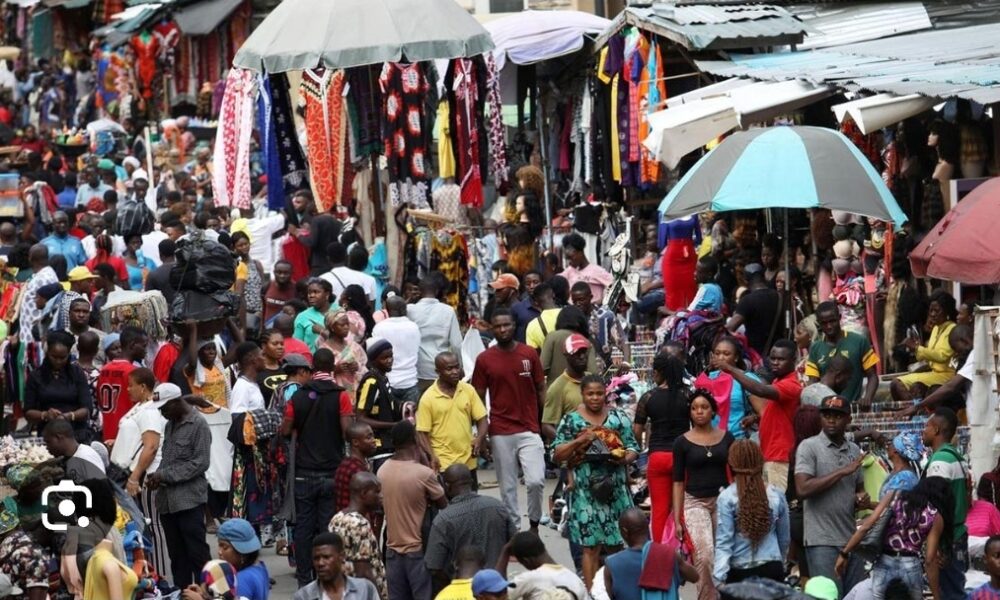
Nigeria’s economy has long been shaped by its vast oil resources, which serve as the backbone of government revenue and foreign exchange earnings. Despite this advantage, the country continues to face serious economic struggles that affect growth, employment, and living standards. Central to these challenges is the performance of the oil sector, whose instability often determines the direction of the national economy. Understanding this issue is important for students of Mass Communication, as economic conditions strongly influence media content, public discourse, and national development.
For decades, Nigeria has depended heavily on crude oil exports as its primary source of income. Oil accounts for a large share of government revenue and foreign exchange inflows. This dependence has created a fragile economic structure in which fluctuations in global oil prices directly affect national stability. When prices fall or production declines, government spending is reduced and economic hardship spreads across the country.
One of the major economic struggles facing Nigeria is high inflation. Rising prices of food, fuel, and basic goods have weakened the purchasing power of citizens. Inflation affects workers, students, and businesses, making daily survival more difficult. The media often reports on these rising costs, shaping public opinion and increasing pressure on policymakers to find solutions.
Another challenge is unemployment and underemployment, especially among the youth. Although the oil sector generates huge revenue, it employs relatively few people. This means that growth in oil production does not automatically lead to job creation. As a result, many young Nigerians remain unemployed, contributing to social frustration and increasing crime and migration.
The instability of global oil prices poses a serious risk to Nigeria’s economy. International conflicts, changes in energy demand, and decisions by major oil-producing countries influence prices. When prices drop below government expectations, budget deficits increase and public projects are delayed. This volatility makes long-term planning difficult for both government and private investors.
Oil theft, pipeline vandalism, and illegal refining have also damaged the sector. These activities reduce production levels, increase operational costs, and discourage foreign investment. The loss of revenue from stolen crude runs into billions of dollars annually. Media reports on these issues often highlight weaknesses in security and governance.
Infrastructure problems further complicate oil sector performance. Aging pipelines, limited refining capacity, and poor maintenance reduce efficiency. Nigeria still imports a large portion of its refined petroleum products despite being a major crude oil producer. This contradiction exposes the country to fuel shortages and foreign exchange pressure.
Government reforms in recent years aim to stabilize the economy and attract investment. Policies such as exchange rate adjustments, subsidy removal, and petroleum sector reforms are designed to improve transparency and efficiency. However, these reforms often come with short-term hardship, leading to public protests and intense media debate.
The role of the mass media in reporting economic struggles is crucial. Journalists inform citizens about inflation, fuel prices, budget performance, and oil production levels. Through news reports, editorials, and analysis, the media shapes public understanding of economic realities and influences government accountability.
Public communication also affects investor confidence. Positive media coverage of reforms and new oil projects can attract foreign capital, while reports of insecurity and corruption discourage investment. In this way, mass communication becomes a powerful tool in economic development and crisis management.
Diversification remains one of Nigeria’s greatest economic needs. Over-reliance on oil has weakened sectors such as agriculture, manufacturing, and technology. Expanding these sectors would reduce vulnerability to oil price shocks and create more employment. Media campaigns can play an important role in promoting diversification and entrepreneurship.
The social impact of economic struggles is significant. Poverty, rising living costs, and limited opportunities affect education, health, and family stability. The media often highlights human-interest stories that show how ordinary Nigerians cope with hardship, thereby drawing national attention to social inequalities.
Environmental challenges also surround the oil sector. Oil spills, gas flaring, and pollution in the Niger Delta have destroyed livelihoods and damaged ecosystems. Media advocacy has helped bring these issues to national and international attention, forcing oil companies and government agencies to respond.
Looking ahead, Nigeria’s economic future depends on successful reforms, improved security, and sustainable management of oil resources. Investment in refining, infrastructure, and renewable energy can strengthen the economy. Effective communication between government, investors, and citizens will remain essential for building trust and ensuring policy success.
Nigeria’s economic struggles and oil sector challenges are deeply interconnected. Dependence on oil, price volatility, infrastructure gaps, and unemployment continue to limit development. For students of Mass Communication, this topic demonstrates how economics, governance, and media intersect to shape national destiny. Through responsible reporting and public engagement, the media can contribute meaningfully to economic reform and national progress.