Breaking News
Outrage Trails Reintegration of 744 Former Terrorists as Nigerians Question Justice, Security
The Nigerian military’s reintegration of 744 ex-terrorists ignites debate over justice, victim rights, and whether the programme is a path to peace or a ticking time bomb.

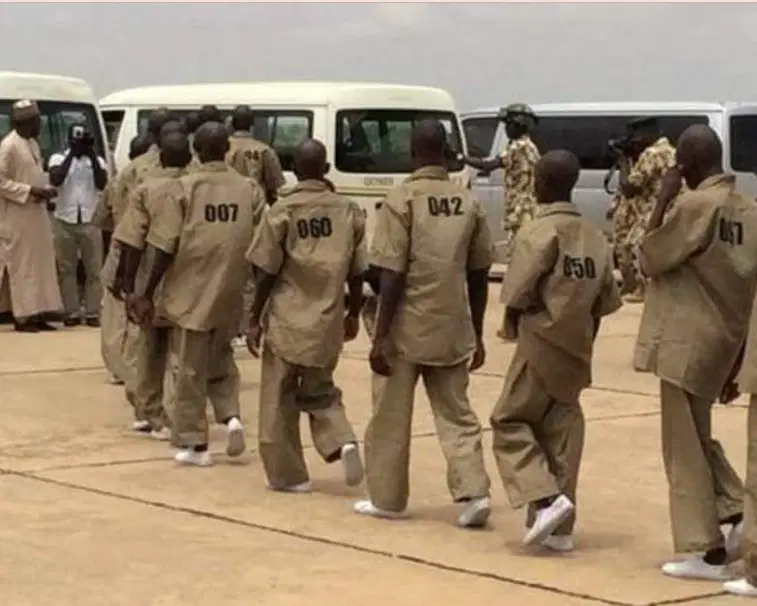
Nigeria’s long battle with terrorism continues to leave painful scars across the country. In states such as Benue, Plateau, Taraba, and Kwara, communities still mourn lives lost and homes destroyed by insurgent attacks.
Against this backdrop, the Nigerian military’s recent decision to reintegrate 744 former terrorists has sparked widespread reaction.
The individuals completed a 24-week deradicalisation programme under Operation Safe Corridor in Gombe State and have now been cleared to return to society.
The move has ignited heated conversations nationwide, particularly on social media, where many citizens are questioning both the timing and implications of the decision.
For critics, the development sends a troubling message at a time when insecurity remains a major concern. Some argue that it undermines the sacrifices of security forces and fails to adequately address the pain of victims.
Expressing his frustration on X, Victor wrote:
“Not fair at all. Gallant officers sacrificed their lives on the line of duty, only for the enemies they fought against to be reintegrated just because they are ‘repentant.’ This is a mockery of their sacrifice.”
On Facebook, Baba Babs echoed similar sentiments:
“The more we see, the less we understand. These are people who should have been smoked out instanta!”
The controversy has also revived debates about fairness within Nigeria’s justice system. Observers question why individuals accused of terrorism are being rehabilitated while others remain in detention for far less serious offences.
Doubts persist over whether the deradicalisation period is sufficient to ensure genuine reform. Many Nigerians remain unconvinced that six months of training can erase years of involvement in violent extremism.
Ur Villagehead, another Facebook user, raised concerns about missed intelligence opportunities:
“If these men are truly repentant, why aren’t they being used as assets to dismantle the networks they left behind? Why aren’t they leading soldiers to the hideouts of their former commanders?”
Security concerns are further heightened by fears—though unverified—that some returnees could act as informants for insurgent groups.
Economic reintegration is another major issue. With millions of young Nigerians already facing unemployment, questions remain about how the rehabilitated individuals will build sustainable livelihoods.
Equally sensitive is their return to communities previously affected by their actions. Victims may be forced to coexist with those they hold responsible for personal loss, raising concerns about reconciliation and social stability.
While the military maintains that the programme is part of a broader strategy to combat insurgency, public opinion remains divided.
Many analysts argue that the success of such an initiative will depend on robust oversight, community engagement, and long-term support systems.
As the debate continues, Nigerians are left weighing a difficult question: does this approach represent a genuine path to peace, or a risk that could deepen existing security challenges?
Africans Angle News