Global Issues
Poor, Poor, Maduro -By IfeanyiChukwu Afuba
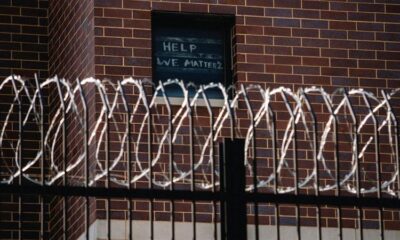
Mr Nicolas Maduro and his wife are already by the prison gates in the US. It does not need a soothsayer to see that. What if he had conceded the 2014 election? The escalations that led to this standoff would probably have been averted. He additionally stood a chance of being honoured as a statesman. By 2014, Maduro had ruled for twelve years. Why would someone not be satisfied, nay, fulfilled with ten years of presidential power? What else did he want to do that ten years of rulership did not afford the sweeping powers?

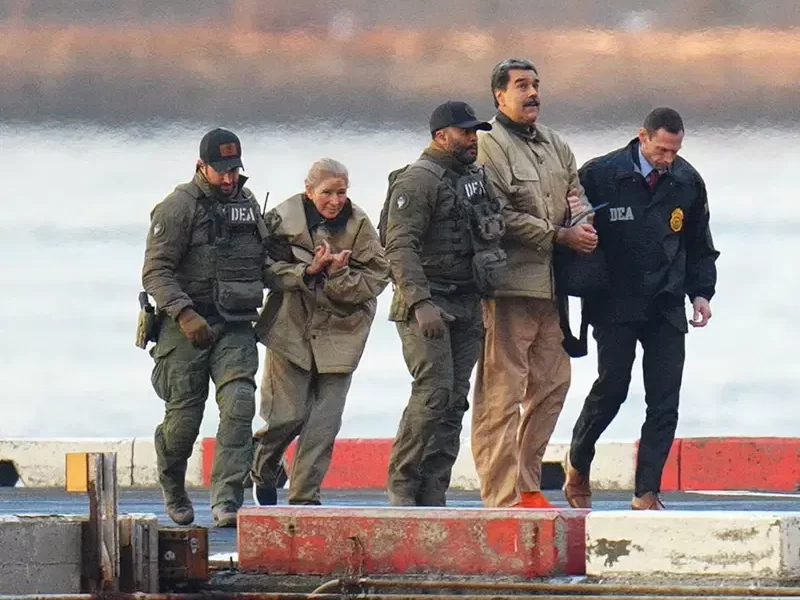
Thirty – six years after his own harrowing experience in 1989, Manuel Noriega got a team mate in Nicolas Maduro on January 3, 2026 when the United States’ Delta Force seized him in a spectacular, midnight operation. Manuela Noriega was not just another head of state of Panama. He was described as the strongman of Panama in those days for his tight grip on power. When the George Bush administration accused him of involvement in drug – running activities in the United States, Noriega told them to piss off. His defiance raised expectations of a showdown. But it all crumbled when the marines began their invasion. Noriega ran into the Vatican embassy from where he surrendered days later, after being subjected to sleeplessness with floodlight burning into his room. And here was the Venezuelan President faced with similar charges of drug trafficking. He talked tough as he had done for most part of his twelve years in power. The last four months were especially defiant shows of mobilisation and demonstrations by Maduro in Caracas, the country’s capital – until the daring night raid two days into the new year. Like Noriega, Maduro ran, towards his fortress with steel door, from where he was sprung into captivity.
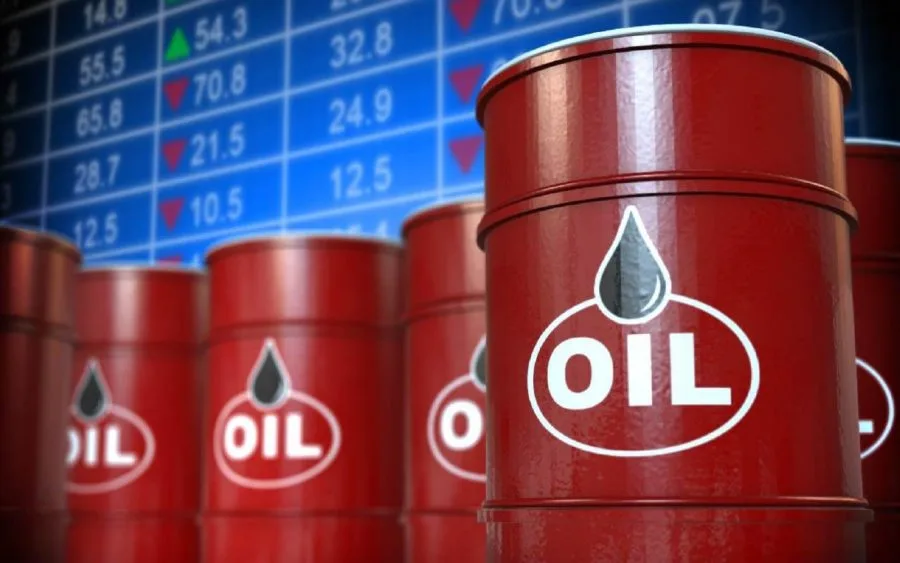
Was that the best Nicolas Maduro could have done in the circumstances? I don’t think so. The invasion was long in coming. America’s military buildup started way back in August 2025. The ideological conflict with the US which started from the time of his predecessor had never died. Under Democrat Joe Biden, the differences were managed but remained there. With Donald Trump, the tensions raged once more. America’s presidency is imperialistic by nurture but Trump’s personality makes the prediction most probable. Mr Donald Trump’s eye on history, the ambition of making America great again, had given notice of revival of the Monroe doctrine. The whimsical President who boldly talks about America’s expansion into Canada and Greenland should not surprise anyone by the policy of controlling “our “backyard.” With the intelligence at his disposal, Maduro ought to have put a finger on the oil motive behind the US assault. The signs of the conspiracy were there, giving Nicolas Maduro time to maneuver, negotiate, delay or ward off the attack in some way. Could China, the long – standing beneficiary of Venezuela’s cheap oil not have been brought into the matter? What about Russia, the ideological ally? Was it about superpower evasiveness under enlightened self interest or strategic failure on the part of Maduro?
In the face of the difficult circumstances he faced, why did Nicolas Maduro not prioritise winning the hearts of the people? What other bulwark, but support of the people, could have afforded him strength against an overwhelming, institutional adversary? His predecessor, Hugo Chavez, was loved fiercely by Venezuelans that plans of toppling him would have been a nightmare for the US. Citizen solidarity kept the Castros firmly in control for decades in Cuba, making the 1961 Bay of Pigs venture a disaster for the US. Maduro struggled over the years to win the confidence of the population, mostly failing. He had neither the charm nor competence of Hugo Chavez. In 2024, Nicolas Maduro woefully lost the presidential election to opposition candidate, Corina Machado. Maduro’s conclusive defeat was attested to by independent monitors. But engineering electoral robbery, the authorities stalled release of result details, simply declaring the dictator winner after a long wait. Maduro would rather wish away the
ghost of illegitimacy that haunted him. Typical of the sadism of autocrats, he cracked down on protests against his personalisation of the State. When Trump’s military buildup started, he was standing alone but preferred to believe his hollow rabble – rousing for mobilisation.
Why would the people support him? On the economy, the area that affected the entire population, and directly for that matter, the outcome was disastrous. The currency had sunk to unprecedented low in the country’s history. Inflation was not just sky high, food shortages were rampant, widespread. On account of the poor socio – economic condition, thousands fled the country over the past few years. Trump’s sanctions, no doubt, contributed to the dire living situation but incompetence preceded it. Under Hugo Chavez, Venezuela was a prosperous and flourishing country. In 2009, the country’s ambassador paid a courtesy visit to Minister of Information, Dora Akunyili. On the occasion, the diplomat told his host that Venezuela and Nigeria shared similar background as oil producing countries in the developing states category. The ambassador announced with pride that Venezuela’s oil wealth had served the country so well, pointing out that education, healthcare, housing were all free, in addition to food bonuses for workers and pensioners. Akunyili, sorry for the misery the stealing of Nigeria’s petro – dollars, had brought Nigerians, shifted uncomfortably in her seat as the ambassador reeled out the long list of subsidies enjoyed by Venezuelans. Her relief was visible when the session ended. It was this enviable, progressive system under Chavez that Maduro inherited but subsequently ran down. The combined effect of political regimentation and economic dislocation alienated his government from the masses. Rather than work on the demands of governance, Maduro resorted to repression. His regime gave Venezuelans a raw deal.
Little wonder his ouster elicited celebrations. The ease of his capture is telling. There is only one explanation for the rapid dismantling of his defence. However America’s military might, they could not have penetrated Maduro’s fortress without insider collaboration. If he could not find loyalty among the inner core of his security, it says a lot of the general feeling about his regime. To be sure, the abducted ruler has his fans. And while enthusiasts of the dictator and others scandalised by images of Maduro in handcuffs demonstrated in his support, the sense of freedom ignited by his fall from power is deep and significant.
Venezuelans who fled their country under Maduro welcomed the US action. Some thanked Trump.
People started sharing images of the regime’s brutal crackdown on protesters in 2014 and 2017.
‘We saw joy, celebrations’, Ana Harero, Washington Post reporter in Caracas said of the public mood.
In Florida, there were interesting scenes of dancing in the streets by exiled Venezuelans.
“We hope this gonna lead us to a democracy’, one jubilant female respondent told Aljazeera on Sunday, January 4, 2026.
The image of the President of a country suddenly in handcuffs is a rare sight. It’s more touching against the backdrop of the same authority seen exercising power moments earlier. The circumstance of a foreign power arresting the head of state of a sovereign country can be distressing. But while the international community searches for answer to the foreign policy excesses of the US and Russia, the lessons of Maduro’s experience cannot be ignored. Power is ephemeral, here one minute, gone in the next. Why then do people pursue it, invest in it, as if it were a permanent treasure? Pray, what fosters this notion that the state belongs to an individual? Why do some political actors see themselves as indispensable in the life of their States? The answers would not be far from ambition, greed, delusion. Mr Nicolas Maduro and his wife are already by the prison gates in the US. It does not need a soothsayer to see that. What if he had conceded the 2014 election? The escalations that led to this standoff would probably have been averted. He additionally stood a chance of being honoured as a statesman. By 2014, Maduro had ruled for twelve years. Why would someone not be satisfied, nay, fulfilled with ten years of presidential power? What else did he want to do that ten years of rulership did not afford the sweeping powers? Again, blinding ambition, greed and delusion of invincibility. Poor Maduro. He just discovered how quickly power evaporates. One more lesson for many leaders, especially in Africa, holding tightly to power against the expressed wishes of the people.