
The IMF describes broad petrol subsidies as costly and regressive, urging Nigeria to protect vulnerable households through targeted financial assistance.
IMF says global private-sector AI investment could exceed $2 trillion in 2026, while warning of labour-market disruption and financial risks.
The IMF is right to remind Nigeria that stronger public revenue is essential for long-term development. Yet fiscal consolidation should begin where the greatest discretionary spending...

It is not wrong for anyone to say that what Tinubu is running is a buccaneer economy based on extortion and exploitation. No nation survives this...
The IMF cautioned the Nigerian government over a $5bn Total Return Swap deal with First Abu Dhabi Bank, citing potential financial risks and hidden costs.
Nigeria faces growing economic strain as the IMF flags rising inflation, higher transport costs, and increasing debt despite a global oil price rally boosting revenues.
The IMF has reduced Nigeria’s economic growth projection for 2026 to 4.1%, warning that global disruptions and higher import costs could slow expansion.
In recent years, Nigeria has increasingly relied on loans from international financial institutions like the International Monetary Fund (IMF) to manage its fiscal challenges. With dwindling...
It is often said among the Igbos and the Yorubas that the wild cat must first be chased away before we blame the hen for wandering...
The International Monetary Fund (IMF), brought into existence in 1944 amidst the profound upheaval of a world reconstructing itself after the cataclysm of World War II,...
The IMF describes broad petrol subsidies as costly and regressive, urging Nigeria to protect vulnerable households through targeted financial assistance.

The Vatican says Pope Leo XIV had a calm night after surgery to remove a cancerous tumour from his right...

Nigeria urges African governments to tackle xenophobia, protect migrants and strengthen continental unity amid growing hostility against fellow Africans.


A Nigerian man deported after cooking for a separatist group is at the centre of a US Supreme Court case...

Lisandro Martinez calls on Manchester United technical director Jason Wilcox to strengthen the squad after a disappointing 2-0 loss to...
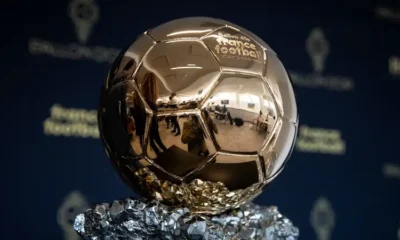

Discover the top five contenders for the 2026 Ballon d’Or, with Barcelona star Lamine Yamal leading Harry Kane, Kylian Mbappe,...
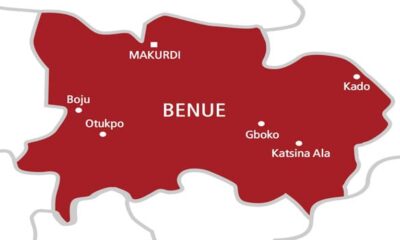

Catholic Diocese of Gboko withdraws priests, teachers and medical workers from institutions in Ihugh, Benue State, following repeated attacks and...

Roman Abramovich has denied tax evasion and concealing his wealth after a BBC report alleged that assets worth millions were...

Davido's album Oriade and several collaborations have reportedly been submitted across multiple categories for consideration at the 2027 Grammy Awards.

Reports say Gianni Infantino received $1.72 million from FWC2026 in 2024, separate from his FIFA salary, prompting questions about financial...
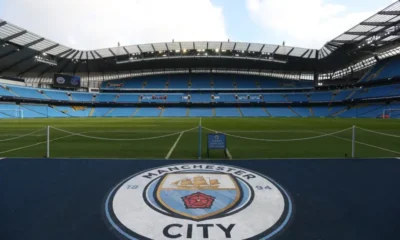

David Kogan insists the football regulator will remain independent as Manchester City appeals findings over alleged breaches of Premier League...
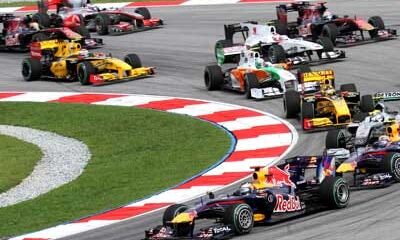

Rwanda is set to host Africa’s first Formula One Grand Prix since 1993, with a new purpose-built circuit planned in...
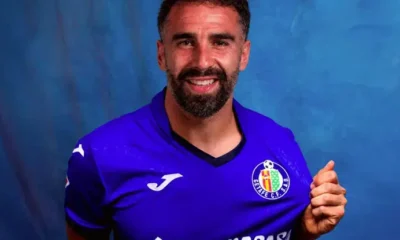

Getafe have signed 34-year-old Dani Carvajal following his departure from Real Madrid, praising the defender’s leadership and experience.


RJ Mitte, known for playing Walter White Jr. in Breaking Bad, has reportedly died at 34. Bryan Cranston and his...
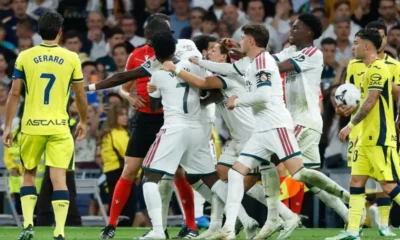

Real Madrid star Vinicius Jr faces a possible suspension after pulling Nathan Saliba’s hair against Villarreal, putting his El Clasico...
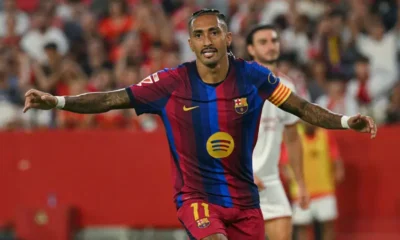

Barcelona captain Raphinha will miss matches against Getafe and Galatasaray after suffering a hamstring injury on Brazil duty, Hansi Flick...
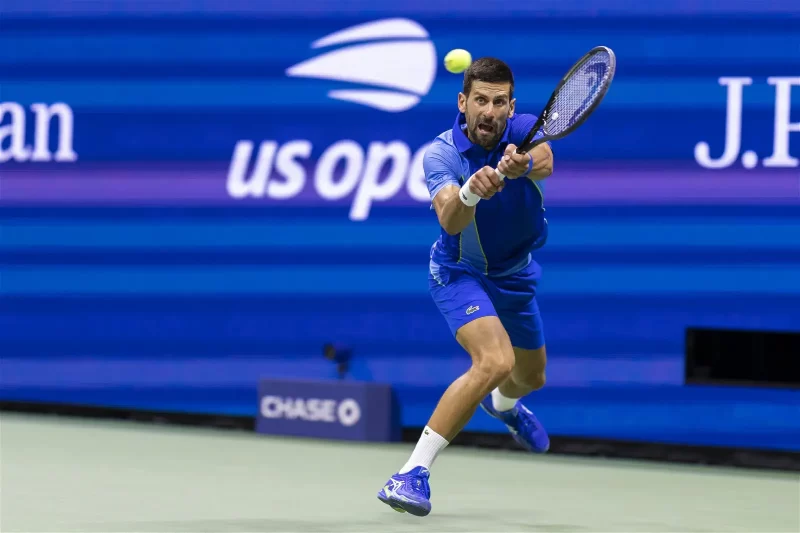
Novak Djokovic crashes out of the Shanghai Masters after losing 6-4, 6-3 to Hubert Hurkacz, while Alexander Zverev and Ben...

Max Dowman, Arsenal news, Guinness World Records, youngest Premier League goalscorer, Premier League, UEFA Champions League.

FIFA President Gianni Infantino promises more resources for African football, highlighting $1bn invested through FIFA Forward over the past decade.