
Economy
The Exploitative Nature of Nigeria’s Electricity Tariff Bands: Economic Implications for Citizens and the Nation, by Dr. Olaleke Alao

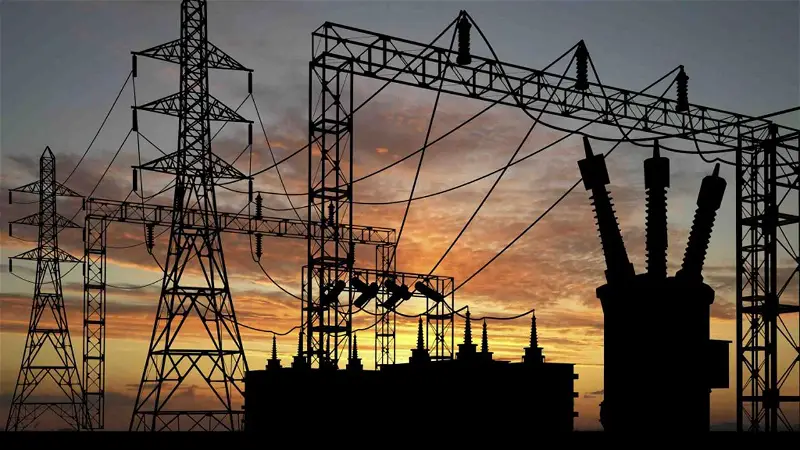
The driving force behind any modern economy is electricity. It promotes growth, innovation, and production while providing energy to homes, small businesses, and industries. However, Nigeria’s problems with electricity delivery and tariff costs extend far beyond mere convenience; they financially burden the public and substantially limit the country’s capacity to develop economically. Consumers are separated into various rate-based categories under the present band system, which stifles economic growth and fosters inequality.
Nigeria’s economy is heavily based on businesses such as telecommunications, agriculture, and manufacturing, all of which require a consistent, reliable electrical supply. The expensive and unpredictable electricity costs that businesses around the country must pay impede productivity. The most badly hit are Small and Medium-sized Enterprises (SMEs), which account for more than 90% of all businesses in Nigeria and are critical to the country’s economic progress. Because of the high electricity expenses associated with the band system, many SMEs are obliged to allocate a greater portion of their operational budget to power, money that could be better spent growing their businesses and creating jobs. Large-scale businesses are disproportionately affected since they are typically put in higher tariff bands, which result in higher electricity bills. This leads to higher manufacturing costs, which consumers eventually pay for when purchasing goods and services. The significant knock-on effects on inflation and consumer purchasing power have harmed the economy. The country’s overall productivity suffers when businesses are unable to operate profitably due to high energy costs. Growth is hampered, Nigeria’s global competitiveness suffers, and as a result, both domestic and foreign investment are discouraged. In general, investors are hesitant to enter the market when operational costs are consistently high, especially when it comes to energy.
It is impossible to exaggerate the electrical band system’s long-term economic impact on Nigeria. If a country lacks affordable, reliable electricity, it cannot expect to see significant industrial expansion. Reduced economic output, slower GDP growth, and fewer job prospects follow. Nigeria’s efforts to diversify its economy and transition away from an oil-based economy would continue to lag behind other countries in the lack of a modern, functional electricity distribution infrastructure. The high cost of power hinders foreign investors, who would prefer invest in areas with dependable infrastructure. Nigeria’s irregular power supply and discriminatory pricing structure have prompted many multinational enterprises to seek chances elsewhere.
When seen independently, the ramifications of Nigeria’s electrical band plan are considerably more disturbing. Many Nigerians’ home budgets are beginning to suffer as a result of rising power bills. Families, already plagued by rising unemployment, inflation, and uncertain economies, must now pay significantly more for power without receiving better services. Take the example of a Nigerian who earns N70,000 each month. It is economically absurd if they are placed in Band A and forced to pay N10,000 (44.44 kilowatt at N225 unit as against the old tariff of147 kilowatt at N68) per week for power. Their energy expenses would have depleted their entire wage, leaving little money for food, shelter, healthcare, or education. The current condition of affairs is extending the wealth gap and increasing the country’s poverty rates. People in the lower bands have an unpredictable power supply, which limits their work opportunities, whereas those in the higher bands live in an environment where electricity is considered a luxury for those who can afford it.
The system for dividing power prices into bands is unfair. Even though everyone uses the same basic service (electricity) those in Band A pay significantly more per unit of power than those in Bands B and C. The main issue with the band system is that it penalizes some users while ignoring the egalitarian and open ideals of consumption-based billing. It is time to eliminate the unfair practice of taxing citizens to pay for infrastructure improvements and transition to a single tariff system that costs based on usage. To see why the current band system is unfair, consider this simple analogy in greater detail. Assume that two people buy N1,000 worth of mobile phone airtime each, which they can use anyway they choose. For the sake of argument, assume that a resident of an area with better network coverage pays a higher rate per minute for calls made, whereas a resident of a poorer service region pays a lower rate per minute. Does this make sense? Should the local state of network decide their rate per minute? Naturally, no. The concept should be simple, each person should pay the same amount every minute, and their total payment should be determined by the number of minute(s).
Electricity should be subject to the same logic. If someone consumes 500 kWh of power, they should pay the same price per unit whether they live in a rural area or urban area. It makes no difference where they reside or how many hours a day they have access to energy; what matters is the amount consumed. People in Band A pay much more per unit (300%) under the current band arrangement because they expect greater service. It is unfair and impossible to charge someone extra for airtime simply because their phone has a better signal.
In Nigeria’s power industry, the practice of holding residents financially liable for infrastructure maintenance and repair, notably cables and transformers, is a major cause of concern. Furthermore, this is a severe injustice. Power Distribution Companies (DisCos), are thriving enterprises. One of its primary responsibilities is to invest in and maintain the infrastructure that provides electricity to homes and businesses. So, why are the general public’s costs involved with these necessary replacements and repairs? What if phone companies requested their customers to fix their failing network towers? These are the properties of the power companies, and their operating budgets must cover the costs of maintaining them. They have a responsibility to ensure the proper operation of the electrical infrastructure and should not shift that burden onto customers who have already paid for the service. By charging consumers to rectify these problems, DisCos are effectively charging them twice for the same service. This exploitative behavior must end.
The band system and unequal power supply allocation increase the public’s impression of injustice. Many people in Band A are obliged to find other methods to make ends meet because the power supply is more reliable but also more expensive. This encourages corrupt behaviour. In order to pay for basics, persons in desperate situations may resort to unscrupulous activities such as paying officials or taking shortcuts. Furthermore, the structure limits persons in Band C’s ability to improve their financial situation. When electricity is inconsistent, they are unable to run small enterprises, conduct entrepreneurial ventures, or even use basic household appliances. The poor are trapped in an endless circle of economic stagnation because they lack the authority to modify their financial status.
Nigeria’s economic potential can only be achieved by breaking the cycle and enacting energy sector reforms immediately. The most egalitarian course of action is to establish a unified pricing system for all citizens, with tariffs based on actual electricity consumption rather than location or arbitrary bands. A system like this would help bridge the economic gap and ensure that consumers only pay for what they use. It would also encourage fairness. Furthermore, the government should prioritize improving the electrical industry’s poor infrastructure, which includes things like damaged transformers and faulty lines that typically require private investment to repair. Distribution businesses (DisCos), which benefit from the current system but do not invest in modernizing and maintaining its infrastructure, should shoulder the majority of the burden.
In addition to being unpleasant, Nigeria’s current energy pricing system endangers both the stability of the national economy and the well-being of its people. The growing cost of electricity is exacerbating poverty, limiting corporate expansion, and fostering corruption. The Nigerian government must take action to build a more equitable and transparent energy delivery system that bases pricing on actual consumption rather than bogus classifications. Nigeria may be able to reduce household debt, support small and medium-sized businesses, and stimulate economic growth by reforming its electrical sector. Eventually, this would result in greater living standards and a more robust and resilient economy for all Nigerians.
The Nigerian Electricity Regulatory Commission should quickly amend its regulations to allow many DISCOs to operate in the same area. Those that can be reached within a geopolitical zone must at the very least cross it. For example, the six states of the Southwest should have access to EKEDC, IKEDC, and IBEDC. Customers would have more freedom and choice, much like in the GSM market. Models like retail choice model (as seen in Texas, the United States, and Australia), an open access approach, and a competitive franchise model similar to those seen in the United Kingdom, can be adopted. This will boost competition, reduce monopolies, and encourage innovation in electricity distribution.
Dr. Olaleke Alao
Secretary,
Center for Convention on Democratic Integrity (CCDI) Inc, Maryland, USA & CCDI Ltd/Gte, Nigeria



























You must be logged in to post a comment Login