
Africa
The Nigerian Messiah Mirage: Why Broken Nations Seek A Saviour -By Albert Afeso Akanbi
Nigeria doesn’t need another messiah. It needs a real movement—not one led by an opportunistic content creator who is so morally bankrupt that he sells nudes, insults everyone, and involves himself in petty online squabbles with both real and imagined enemies. Real change will come only when Nigerians, especially the youths, demand transparency and accountability from leaders—both in politics, business, and religion—not theatrics or drama.

Nigeria today stands as a classic example of nations scarred by decades of poor leadership, economic hardship, betrayal by the leaders, and social decay. In such conditions, the longing for a redeemer becomes almost instinctive.
In a country like ours, people tend to gravitate toward figures they consider charismatic—be it politicians, pastors, celebrities—hoping one of them might be “the one” to lift them out of despair. This is because, feeding into the general apathy for those in charge of the evil system, they tend to run after anyone who appears to be fighting the system, believing the fight is for them.
This is the essence of the Messiah complex: a psychological pattern where individuals or societies believe salvation lies in a single individual.
History is littered with examples. In Venezuela, for instance, Hugo Chávez was hailed as a savior. Though this happened for good reasons, when he left the stage after the USA ruined the country, the people were left with ashes in their mouth.
In Uganda, Idi Amin initially won the hearts of his people who saw him as a saviour, before plunging the country into terror.
In Nigeria, we saw the massive mob following the colossal failure, the late Mohammadu Buhari—especially among youths who can’t think for themselves in the north. Eventually, the man set Nigeria back 50 years before he himself disappeared permanently this year.
This is not to say there aren’t real revolutionary leaders who have moved their nations forward. The point is, we must be wise enough to differentiate between real and fake heroes.
Because the deeper the suffering of a people, the more seductive the idea of a miracle worker becomes—no matter how clownish that idea.
This is even more so in Nigeria, where the thievery of powerful people has pushed many to have this innate hatred for the rich, so that anyone with a platform that appears to speak against them is seen as a Messiah.
But this obsession with personalities over principles is dangerous. It breeds passivity, where citizens outsource responsibility to leaders, rather than build systems that work. It also blinds people to the flaws of those they idolize, allowing corruption and abuse to flourish unchecked.
And this is where the character called VDM comes in—an opportunistic talkative so inconsistent, who mistakes brash strong-headedness for activism. Sadly, Nigerians—ever so emotional, lacking the ability for deep reflective thinking, religious but highly lacking spirituality—are taken by his manipulations. Even adults who should know better see this character as a hero. One even told me VDM opened his eyes! Are you for real? VDM, who was still selling nudes by the time you started working, opened your eyes? Open your eyes to what, exactly!!!
This character gained fame about two or three years ago from talking about the late Mohbad, around the same time he started fighting skin care manufacturers who were taking advantage of their clients. Yes, this is good—but how does fighting for a few isolated people in a country of over 200 million make one a saviour or voice of the people?
I was pleasantly surprised when a friend told me VDM is like the late Fela. Even Seun Kuti, Fela’s son, who is friends to VDM, would not insult the memory of his father like that by comparing VDM to him. Yet we have seen people who compare VDM to Martin Luther King Jr.
Personally—and this is my own opinion—I think VDM rode on blackmail, insults, and betrayals of private conversations with people like the TV host Nedu and others, and especially the true gullibility of Nigerians, to escape poverty.
When he saw the uproar was favourable, he quickly declared himself a charity and said he has an NGO. Nigerians like Don Jazzy—who DeeOne insists have something to hide—quickly donated 100 million naira to him.
At a time, in a show of childish dramatizing, VDM came and said the money was missing. Later he said no, he just wanted to play on the intelligence of Nigerians. Then we saw his fight with GTBank. Almost immediately, his fans promised to withdraw their money from the bank—only to find his mom was actually owing the bank.
Now he has moved from drinking pure water in a small dirty room in Abuja to shopping in Paris, and yet his gullible fans don’t see that he has escaped poverty riding on their gullibility.
And anyone who points out clearly abnormal ways is insulted and called names. His fans would be like, “What have you yourself done for the people?”—as if VDM is the only one who assists people. Or they would say, “You are hateful,” or “Jealous”… 😂
I believe the Nigerian problem deepens when our society begins to worship not just politicians, but anyone who appears powerful—pastors with private jets, businessmen with questionable wealth, influencers like VDM with no substance.
In Nigeria, it’s not uncommon to see convicted fraudsters celebrated as “smart,” or religious leaders treated as infallible. This culture of misplaced reverence erodes moral standards and normalizes exploitation.
Pastors who preach prosperity while ignoring poverty become distractions from real reform. Politicians who promise change but perpetuate the same cycles of greed and thievery are not saviors—they’re symptoms.
Business moguls who thrive on looting public funds and an unlevel playing field are not role models—they’re robbers in suits.
When society celebrates thieves and idolizes personalities, it loses sight of values. And without values, no nation can truly progress.
Nigeria doesn’t need another messiah. It needs a real movement—not one led by an opportunistic content creator who is so morally bankrupt that he sells nudes, insults everyone, and involves himself in petty online squabbles with both real and imagined enemies. Real change will come only when Nigerians, especially the youths, demand transparency and accountability from leaders—both in politics, business, and religion—not theatrics or drama.
Our communities must prioritize integrity over charisma and individualism. We must build institutions to outlast individuals.
This requires conscious, concerted effort—from market women to tech entrepreneurs, from students to elders. Everyone must play a role.
The future of Nigeria isn’t in the hands of one person. It’s in the hearts of millions.
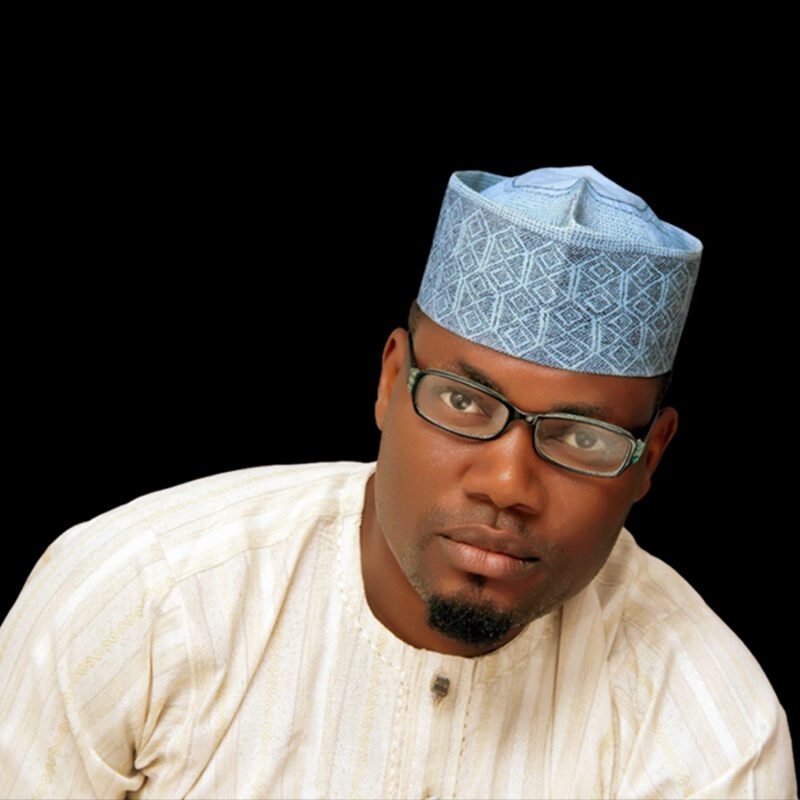
Albert Afeso Akanbi
Albert Afeso Akanbi is a writer and filmmaker. He owns Doppler Films Production LTD.


















You must be logged in to post a comment Login