
Africa
The Rising Cost Of Living And The Silent Suffering Of Nigerians -By Esther john
The current situation calls for urgent intervention, not political speeches. The government must prioritize food security by supporting farmers with subsidized inputs, improving storage and distribution systems, and curbing insecurity that has driven many away from their farmlands. It must also ensure that the new minimum wage negotiation reflects the real cost of living, not outdated economic assumptions.

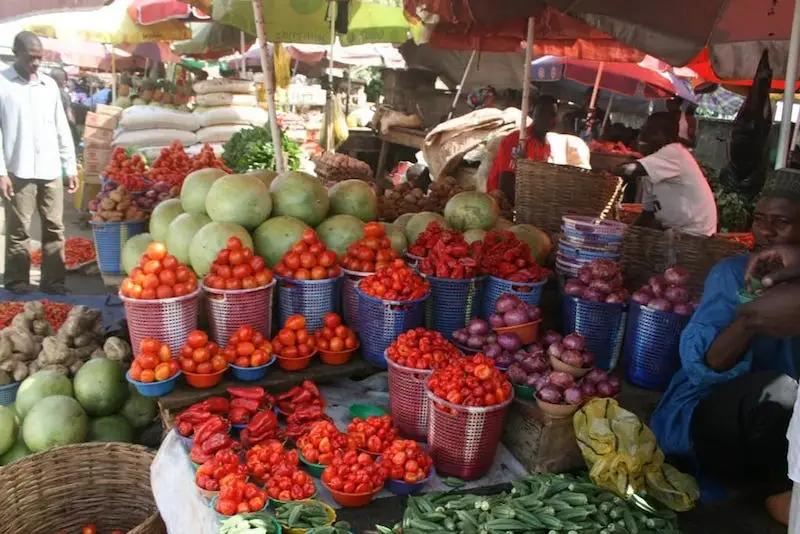
Across Nigeria today, conversations in buses, markets, offices, and homes revolve around one thing — the unbearable cost of living. From food to fuel, transport to electricity, everything has become painfully expensive. For millions of Nigerians, survival has become a daily struggle, and the promise of renewed hope now feels like a cruel illusion.
The removal of fuel subsidy, the floating of the naira, and multiple economic reforms introduced by the Tinubu administration were intended to stabilize the economy and attract investment. Yet, for the ordinary citizen, these policies have translated into hardship and despair. Inflation has soared to record levels, eroding purchasing power and pushing more people below the poverty line. A bag of rice that sold for ₦45,000 last year now costs between ₦75,000 and ₦80,000 — a clear indication that wages no longer match the cost of survival.
Government officials continue to defend these policies as “painful but necessary sacrifices” for long-term growth. However, what they fail to acknowledge is that reforms without safety nets are like prescribing strong medicine to a starving patient. Without immediate relief measures — food support, transportation subsidies, and realistic minimum wages — Nigerians are being asked to endure what feels like endless suffering in the name of reform.
The truth is that economic pain is no longer just an abstract statistic. It is visible in the growing number of homeless families, the shrinking food portions in restaurants, the rise in petty theft, and the mass migration of skilled workers seeking better lives abroad. Even those with stable jobs are struggling to make ends meet. Civil servants who once managed to survive on modest salaries now borrow before the middle of the month.
Small businesses, once the lifeline of the Nigerian economy, are collapsing under the weight of high fuel prices and unstable exchange rates. Transporters complain that diesel prices have doubled, traders lament that customers can no longer afford their goods, and artisans have cut down on their workforce just to stay afloat. The private sector is bleeding, while the informal sector — which employs the majority — is gasping for breath.
It is difficult to speak of national productivity when hunger has become a daily companion. Malnutrition rates are rising, and families are being forced to make impossible choices — between paying school fees and buying food, between transport fares and electricity bills. The situation is dire, yet the response from policymakers often feels detached, as though the hardship were happening in another country.
The government must understand that economic growth cannot be measured solely by GDP figures or investor confidence. True growth is when citizens can afford food, shelter, healthcare, and dignity. Nigerians are not asking for luxury — they are asking for fairness, for policies that balance fiscal reform with human welfare. The social contract between government and citizens must be anchored on empathy, not endurance.
The current situation calls for urgent intervention, not political speeches. The government must prioritize food security by supporting farmers with subsidized inputs, improving storage and distribution systems, and curbing insecurity that has driven many away from their farmlands. It must also ensure that the new minimum wage negotiation reflects the real cost of living, not outdated economic assumptions.
Similarly, the Central Bank must find creative ways to stabilize the naira and curb inflation. Monetary tightening alone cannot fix a structurally weak economy. There must be deliberate efforts to encourage local production, support small industries, and rebuild public confidence in Nigeria’s economic direction. The more citizens lose faith, the harder it becomes to sustain reform.
The rising cost of living is more than an economic problem — it is a moral test of leadership. A nation that cannot feed its people cannot claim progress. If reforms are truly for the good of the people, then their benefits must be felt by the people. Nigerians have endured enough promises; what they need now is practical relief.
Until that happens, every policy pronouncement will sound hollow, every reform will be met with skepticism, and every new day will begin with one haunting question in the minds of millions: When will things get better?
Esther john is a 300 Level Student From Mass Communication Department University Of Maiduguri.

























You must be logged in to post a comment Login