Africa
The Strategic Path To Nigeria’s Economic Stability -By Isah Aliyu Chiroma
The CBN’s decision to retain the MPR at 27.50 percent is a step in the right direction towards achieving economic stability. The apex bank’s efforts to tackle inflationary pressures and ensure price stability have yielded positive results, and its commitment to maintaining the current policy stance will likely continue to address existing and emerging inflationary pressures. With a stable financial system, declining inflation, and a stable exchange rate, Nigeria’s economy is poised for growth and development. The CBN’s proactive approach to monetary policy will be crucial in driving this growth and ensuring that the economy remains stable and resilient.

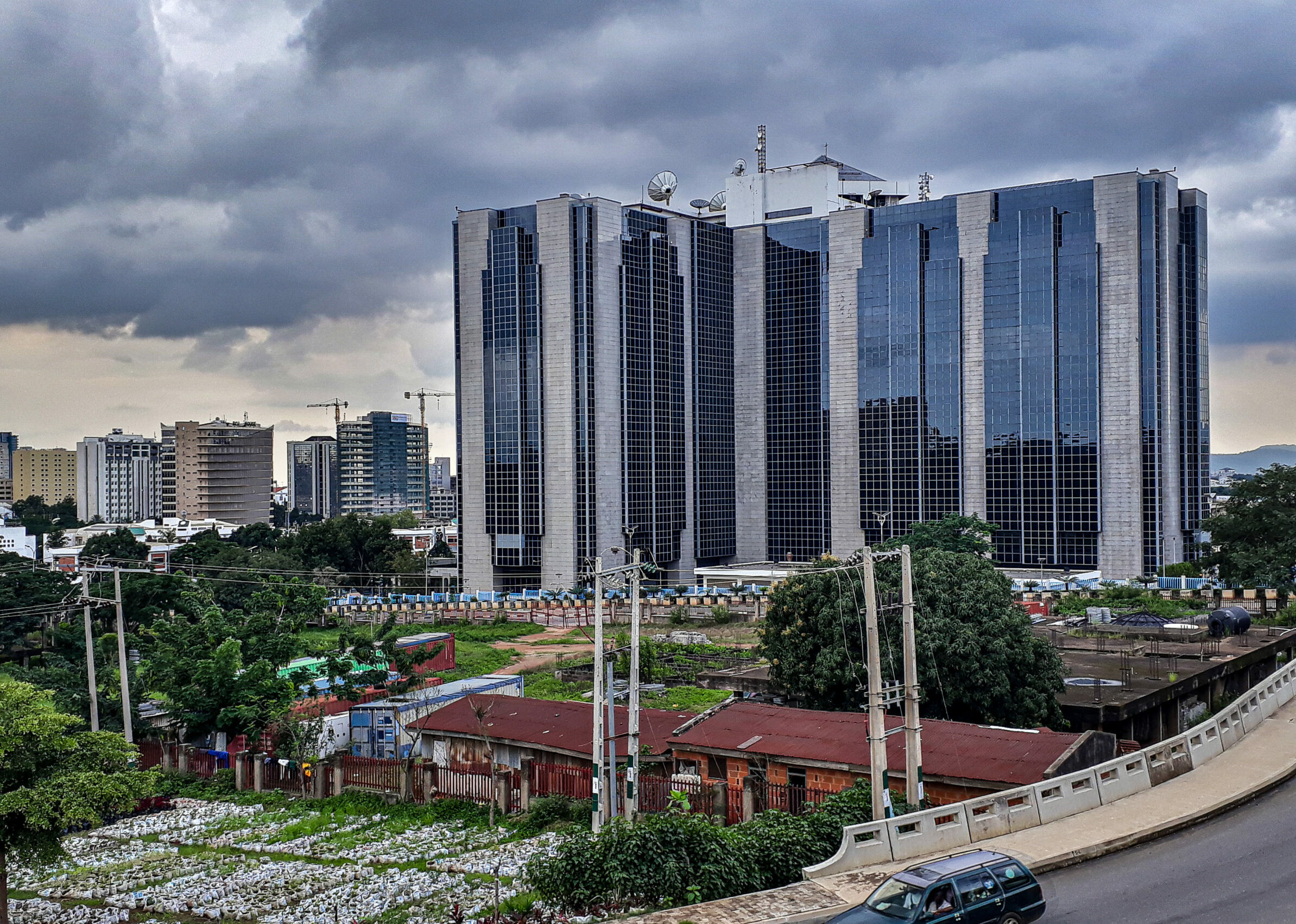
Nigeria’s economy is gradually gaining stability, with the leadership of Central Bank of Nigeria (CBN) at the helm of a well-coordinated decisions that are yielding positive results for the economy. It is apparent that the leadership of CBN is providing strategic positioning of the economy, at a trajectory level, where the economy is increasingly becoming a welcoming hub for investors around the world, with the confidence Nigeria economy is showing.
The apex bank’s commitment to maintaining economic stability is evident in its recent decision to retain the Monetary Policy Rate (MPR) at 27.50 percent. This move, coupled with the retention of other policy parameters; the asymmetric corridor around the MPR at +500/-100 basis points, Cash Reserve Ratio (CRR) for Deposit Money Banks at 50.00 per cent and for Merchant Banks at 16.00 per cent, and Liquidity Ratio unchanged at 30.00 per cent demonstrates the CBN’s resolve to tackle inflationary pressures and ensure price stability.
The CBN’s efforts have yielded positive results, with headline inflation declining for the third consecutive month to 22.22 percent in June 2025. This decline is attributed to the moderation in energy prices and stability in the foreign exchange market. The stability in the foreign exchange market, in particular, has been a significant factor in reducing inflationary pressures. The CBN’s decision to maintain the current policy stance is premised on the need to sustain the momentum of disinflation and contain price pressures.
One notable achievement of the CBN is the stability in the banking system. The stable Financial Soundness Indicators (FSIs) and the progress made by banks in meeting the recapitalization requirements are testaments to the apex bank’s effective oversight. The fact that eight banks have fully met the recapitalization requirements, while others are making progress towards meeting the deadline, is a positive development that will further strengthen the financial system.
The CBN’s efforts have also been complemented by the Federal Government’s initiatives to improve security and support food production. The Committee’s acknowledgement of the government’s efforts in this regard is a recognition of the importance of a multi-faceted approach to addressing economic challenges. The government’s initiatives to improve security and support food production are crucial in addressing the root causes of inflation and promoting economic stability.
The outlook for the economy appears promising, with staff projections indicating a further decline in inflation in the coming months. This decline is expected to be underpinned by the current tight monetary policy stance, stable exchange rate, declining PMS prices, and moderation in food prices as the harvest season approaches. The CBN’s commitment to price stability and its willingness to take appropriate measures to foster stability and confidence in the economy are commendable.
The CBN’s ability to navigate the complex economic landscape and make informed decisions will be crucial in ensuring that the economy remains on a stable path. The apex bank’s proactive approach to monetary policy, coupled with the government’s initiatives to improve security and support food production, will likely drive economic growth and stability. As the economy continues to grow, it is essential that the CBN maintains its focus on price stability and takes appropriate measures to foster stability and confidence in the economy.
With a stable financial system, declining inflation, and a stable exchange rate, Nigeria’s economy is poised for growth and development. The CBN’s efforts towards achieving economic stability are a testament to its commitment to promoting economic prosperity, and its decisions will likely have a lasting impact on the economy. As we look to the future, it is essential that the CBN continues to prioritize price stability and takes proactive measures to address emerging challenges.
The CBN’s decision to retain the MPR at 27.50 percent is a clear indication of its commitment to economic stability, and its efforts will likely yield positive results in the long run. As the economy continues to navigate the challenges posed by global uncertainties, the CBN’s prudent monetary policy decisions will be crucial in ensuring that the economy remains stable and resilient.
The government on the other hand, must continue to support policies that promote economic growth and stability. This includes investing in infrastructure, promoting private sector growth, and improving the business environment. By working together, the CBN and the government can ensure that Nigeria’s economy remains on a stable path and achieves its full potential.
The impact of the CBN’s decisions on the economy cannot be overstated. The stability in the foreign exchange market, declining inflation, and stable financial system have all contributed to a more favourable business environment. This, in turn, has encouraged investment and promoted economic growth.
As the economy continues to grow, it is essential that the CBN remains vigilant and continues to monitor inflationary pressures. The apex bank must also be prepared to take proactive measures to address emerging challenges and ensure that the economy remains stable and resilient.
The CBN’s decision to retain the MPR at 27.50 percent is a step in the right direction towards achieving economic stability. The apex bank’s efforts to tackle inflationary pressures and ensure price stability have yielded positive results, and its commitment to maintaining the current policy stance will likely continue to address existing and emerging inflationary pressures. With a stable financial system, declining inflation, and a stable exchange rate, Nigeria’s economy is poised for growth and development. The CBN’s proactive approach to monetary policy will be crucial in driving this growth and ensuring that the economy remains stable and resilient.
Isah Aliyu Chiroma, a writer and public affairs analyst who focuses on government policies, economic and financial markets, and writes from Abuja. Isah can be reached at aliyuisahchiroma29@gmail.com