Africa
The Unseen Toll of Flooding: A Call for Action in Borno State, by Roseline John Adamu

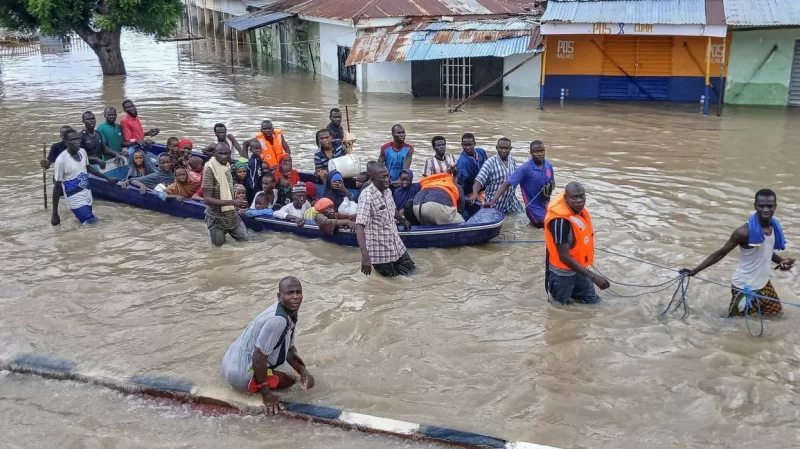
Borno State is grappling with the harsh realities of natural disasters, compounded by ongoing socio-economic challenges. Recent flooding has wreaked havoc, not only in Maiduguri metropolis but also in the surrounding rural areas, particularly in Zabarmari, a village nestled within the Jere Local Government Area. This feature aims to shed light on the devastating impact of the floods on the farming community and to urge the Borno State government to recognize the urgent need for support.
The floodwaters that surged through Zabarmari have left a trail of destruction, decimating the livelihoods of many residents who rely heavily on agriculture. The village, known for its fertile land and agricultural output, has seen its farms completely submerged, rendering them unproductive. For a community that has historically depended on farming, this loss is not just a setback; it is a direct threat to their survival. The government’s neglect of this situation could lead to dire consequences, as food security becomes increasingly precarious.
Residents of Zabarmari are not just facing economic loss; they are grappling with the emotional and psychological toll of the disaster. Many families have lost their homes, and with them, their sense of security. The flood has not only claimed crops but has also led to tragic fatalities. The loss of lives during such natural disasters amplifies the sense of urgency for government intervention. Each life lost represents a family shattered, a community in mourning, and a society facing greater instability.
In the aftermath of the floods, the affected villagers have expressed their despair and helplessness. They are calling out for help, but their voices seem to echo in silence, unheard by those in power. The lack of response from the Borno State government raises concerns about the level of awareness regarding the plight of rural communities. It is crucial for the government to acknowledge that the repercussions of flooding extend beyond urban centers like Maiduguri; rural areas are equally deserving of attention and assistance.
The situation in Zabarmari is not an isolated incident; it is part of a broader narrative of neglect faced by rural communities across Borno State. The government must take proactive steps to assess the damage and provide immediate relief to those affected. Emergency support in the form of food aid, medical assistance, and housing is essential to help these communities recover and rebuild. Without such interventions, the cycle of poverty and vulnerability will only deepen.
Furthermore, this disaster highlights the urgent need for the Borno State government to invest in infrastructure that can withstand such natural calamities. Improved drainage systems, flood barriers, and early warning systems could mitigate the impact of future floods. Planning for climate resilience is not merely a luxury; it is a necessity for communities at risk. The time to act is now, and proactive measures must be put in place to safeguard the future of Borno State’s vulnerable populations.
As the floods continue to affect lives and livelihoods, it is imperative for the government to prioritize the voices of those in rural areas. The people of Zabarmari and other affected communities deserve to be heard and supported. The government must not wait for another disaster to strike before taking action. It must acknowledge its responsibility to protect all its citizens, regardless of their geographical location, and ensure that assistance reaches those who need it most.
In light of the ongoing challenges faced by Zabarmari and other affected areas, it is crucial for the Borno State government to prioritize urgent action and support. The devastation from the floods highlights the vulnerability of rural communities and the critical need for sustainable solutions. By engaging local organizations and fostering community involvement, the government can enhance disaster resilience and create a more robust agricultural framework.
In conclusion, investing in infrastructure and health services is essential to mitigate future risks and safeguard the well-being of residents. The collective efforts of the government, local leaders, and citizens can pave the way for a more secure future. Addressing the immediate needs while laying the groundwork for long-term recovery will not only restore livelihoods but also strengthen the bonds within these communities. The time to act is now; the future of Borno State’s rural populations depends on it.
Roseline John Adamu 300 level student from Borno State University (BOSU), Maiduguri.