Forgotten Dairies
Unlocking Cocoa Value: The Future of Nigeria’s Cocoa Industry -By Ibzan Hannatu Saleh
Nigeria’s cocoa industry holds immense promise, but realizing this promise depends on how well its value is unlocked. Nigeria’s cocoa industry holds the key to economic transformation beyond oil. By shifting from raw exports to value-added production, empowering farmers, attracting youth, and strengthening policy support, cocoa can once again drive national prosperity. Unlocking cocoa value is not merely an agricultural goal,it is a strategic pathway to a stronger and more resilient Nigerian economy.

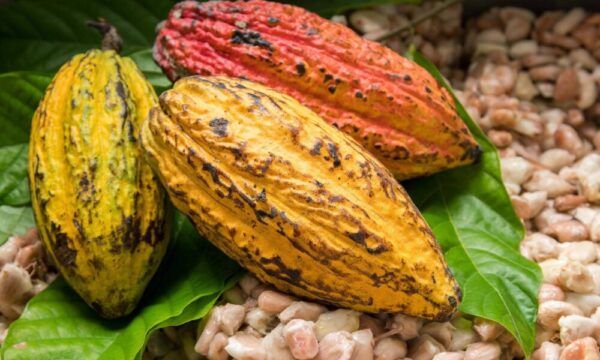
Once the backbone of Nigeria’s economy, cocoa is now an underutilized treasure.Before crude oil dominated Nigeria’s economy, cocoa built schools, roads, and thriving communities. It was once the pride of the nation and a major source of wealth for thousands of farmers. Today, although Nigeria remains one of Africa’s leading cocoa producers, the country earns far less than it should from this valuable crop. Most cocoa leaves the country in its raw form, while the real profits are made elsewhere. Unlocking the full value of cocoa is no longer an option,it is a necessity for economic diversification, job creation, and sustainable growth. The future of Nigeria’s cocoa industry depends on how well the nation transforms cocoa from a raw export into a value-driven asset.
Cocoa is more than just an agricultural crop in Nigeria; it is a national asset with the power to transform lives, strengthen rural communities, and drive economic growth. Long before oil became Nigeria’s major export, cocoa stood as a symbol of prosperity, funding education, infrastructure, and regional development. Today, as the country searches for sustainable alternatives to oil dependency, unlocking the full value of cocoa has become more important than ever.
Nigeria remains one of Africa’s leading cocoa producers, with large-scale cultivation concentrated in states such as Ondo, Osun, Ekiti, Ogun, and Cross River. The crop contributes significantly to the nation’s Gross Domestic Product (GDP) and serves as an important source of foreign exchange earnings. Cocoa farming also provides livelihoods for hundreds of thousands of Nigerians, most of whom are smallholder farmers managing modest plots of land.
Despite this strong production base, the cocoa industry has not reached its full potential. Productivity levels remain relatively low, and earnings from cocoa exports are far below what the country could achieve with better investment and innovation.
One of the biggest weaknesses of Nigeria’s cocoa industry lies in its dependence on exporting raw cocoa beans. While Nigeria produces large quantities of cocoa, very little processing is done locally. This means the country earns only a fraction of the total value generated along the global cocoa supply chain. The real profits are made in countries that process cocoa into finished products such as chocolate, cocoa butter, and beverages.
The lack of local processing facilities has limited Nigeria’s ability to maximize revenue from cocoa. Instead of exporting finished or semi-finished products, raw beans are sold cheaply, leaving job creation, industrial growth, and higher earnings to foreign economies. This approach weakens the sector and limits opportunities for economic diversification.
Value addition is the key to unlocking cocoa’s full potential. Processing cocoa into butter, powder, chocolate, and beverages significantly increases its market value. It also creates opportunities for local industries and small and medium-scale enterprises (SMEs), leading to job creation, skills development, and industrial expansion. A strong processing sector would not only boost export earnings but also strengthen Nigeria’s domestic market.
Cocoa processing opens doors for entrepreneurs, investors, and local manufacturers. From chocolate production to cosmetic ingredients and beverage manufacturing, cocoa offers multiple avenues for business growth. Supporting SMEs in this sector can stimulate innovation, reduce unemployment, and enhance economic resilience.
Despite its vast potential, the cocoa industry faces serious challenges. Many cocoa farmers are aging, with low youth involvement threatening the future of production. Young people often view farming as unattractive due to poor returns and limited access to modern tools.
Inadequate infrastructure and storage facilities further hinder growth. Poor road networks make transportation difficult, while inadequate storage leads to post-harvest losses. These challenges reduce profitability and discourage investment.
Strong government support is essential for the revival of the cocoa industry. Policies that improve access to finance, provide improved seedlings, and strengthen extension services can boost productivity. Encouraging youth participation through training, technology, and agribusiness opportunities will ensure the sustainability of the sector. Innovation and modern farming techniques can help farmers adapt to climate change and improve yields.
Global demand for cocoa and cocoa-based products continues to rise. There is increasing interest in sustainably produced and ethically sourced cocoa. By adopting sustainable farming practices and meeting international quality standards, Nigeria can position itself as a competitive player in the global cocoa market while protecting the environment and ensuring long-term productivity.
Unlocking the full potential of cocoa requires a deliberate shift from raw bean exports to value-driven production. Investment in processing facilities, infrastructure, farmer support, and youth engagement is critical. With the right policies and partnerships, cocoa can become a major driver of Nigeria’s non-oil economy.
Nigeria’s cocoa industry holds immense promise, but realizing this promise depends on how well its value is unlocked. Nigeria’s cocoa industry holds the key to economic transformation beyond oil. By shifting from raw exports to value-added production, empowering farmers, attracting youth, and strengthening policy support, cocoa can once again drive national prosperity. Unlocking cocoa value is not merely an agricultural goal,it is a strategic pathway to a stronger and more resilient Nigerian economy.