National Issues
Why Are Nigerians Still Suffering Amid a Windfall of Global Conflict, While Other Gulf Countries Prosper? -By Daniel Nduka Okonkwo
Nigeria’s experience amplifies a broader truth about resource-dependent economies: windfalls at the top do not automatically trickle down. Without structural reforms, particularly in refining capacity, fiscal transparency, and anti-corruption measures, the paradox of profit amid hardship will continue to define Nigeria’s place in the global energy economy.

Nigeria bleeds while its rulers feast. As the U.S.-Israel-Iran war sends oil prices soaring, billions flow into government coffers, yet ordinary Nigerians are crushed under the weight of inflation, hunger, and despair. The paradox is glaring: a nation rich in crude oil, exporting at record profits, yet causing poverty for Nigerians, corruption might stalk every barrel of oil or siphon off the war-driven windfall before it can reach its citizens. What should have been Nigeria’s moment of strength has become another chapter of betrayal, proof that in this land, wealth is weaponized against its own citizens.
Nigeria sits on oceans of oil, yet its people thirst in deserts of deprivation. As the U.S.-Israel-Iran war drives crude prices skyward, the nation’s coffers swell, but citizens’ pockets remain empty. Inflation erodes wages, hunger stalks households, and promises of prosperity dissolve into dust. What should be a blessing has turned into a curse, corruption drains away the war-born bounty, leaving justice starved and hope betrayed. In this paradox, Nigeria is rich in resources but impoverished in fairness, a country where leaders feast while the people struggle to survive. The tragedy is not only economic; it is a moral wound that deepens with every squandered opportunity.
The ongoing conflict involving the United States, Israel, and Iran has reshaped global economic and geopolitical dynamics, producing winners and losers across continents. While the conflict has triggered humanitarian crises and heightened instability in the Middle East, it has also generated windfalls for energy producers, defense industries, and strategic allies. Russia, the United States, Gulf states such as Saudi Arabia and the United Arab Emirates, and emerging powers like China and India are among the primary beneficiaries, leveraging surging oil prices, arms sales, and diplomatic opportunities to strengthen their positions. Even in Africa, oil-producing nations such as Nigeria, Angola, and Libya are experiencing short-term gains.
Nigeria, in particular, stands out. Buoyed by rising crude prices, the country could earn trillions in additional revenue, strengthening its fiscal balance, foreign reserves, and overall economic stability. Yet, paradoxically, ordinary Nigerians are bearing the negative consequences of this global conflict.
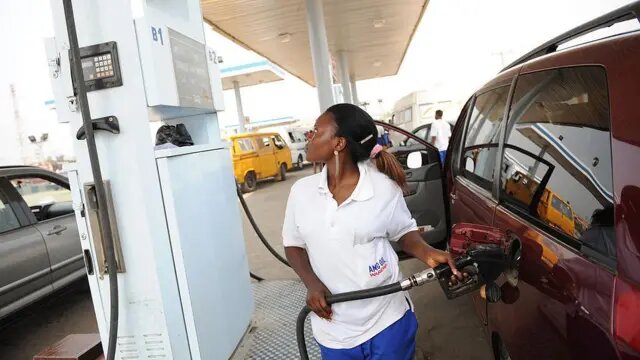
Despite higher crude prices that should benefit Nigeria, the country’s dependence on imported refined fuel has left citizens exposed. Global oil price increases have driven up domestic fuel costs, transportation expenses, and the overall cost of living. Inflation continues to erode household incomes, while the naira remains volatile due to rising import bills and persistent foreign exchange pressures.
“The government is making more profit now than before the war, but Nigerians are paying more at the pump and in the market. The paradox lies in Nigeria’s structural weakness: it exports crude oil but imports most of its refined petroleum products. As a result, higher global prices translate directly into higher domestic costs.
The conflict’s ripple effects extend beyond economics. Security risks are rising as extremist groups may exploit public frustration, while economic inequality continues to widen. Oil windfalls benefit elites and government coffers far more than ordinary citizens.
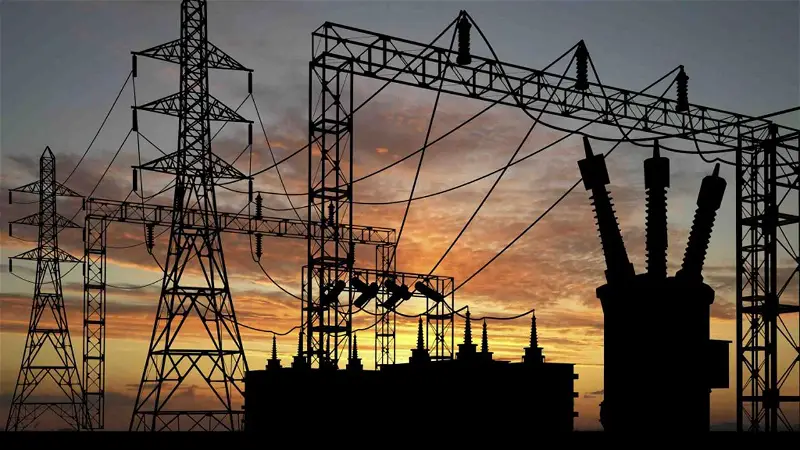
The corruption in Nigeria might siphon off much of the profit generated from the war-driven oil boom. Instead of being translated into improved infrastructure, targeted subsidies, or effective social programs, revenues are often lost to mismanagement and graft. This deepens inequality and leaves the majority of Nigerians struggling with inflation, unemployment, and declining purchasing power.
For many Nigerians, the situation can be summed up in a bitter irony: “There is money in the country, but no way for the people to access it.”
Instability in the Gulf region has further compounded Nigeria’s challenges. Shipping disruptions in the Strait of Hormuz have increased the cost of imported goods. Supply chain disruptions are making essential products scarcer and more expensive, intensifying inflationary pressures.
Although Nigeria is not directly importing crude from the Middle East, the global energy distribution crisis has raised the landing cost of fuel, leading to higher domestic prices. The result is a severe strain on households and businesses alike.
This administration came to power promising relief for Nigerians, but the war and prevailing insecurity have exposed the fragility of those assurances. Rising fuel prices, declining purchasing power, and persistent inflation have left citizens questioning why government revenues from oil windfalls are not translating into tangible benefits for the people.
Nigeria’s gains in the oil sector are overshadowed by widespread hardship among its citizens, highlighting the country’s vulnerability to external shocks, its dependence on imported refined fuel, and the corrosive impact of corruption.
Nigeria’s experience amplifies a broader truth about resource-dependent economies: windfalls at the top do not automatically trickle down. Without structural reforms, particularly in refining capacity, fiscal transparency, and anti-corruption measures, the paradox of profit amid hardship will continue to define Nigeria’s place in the global energy economy.
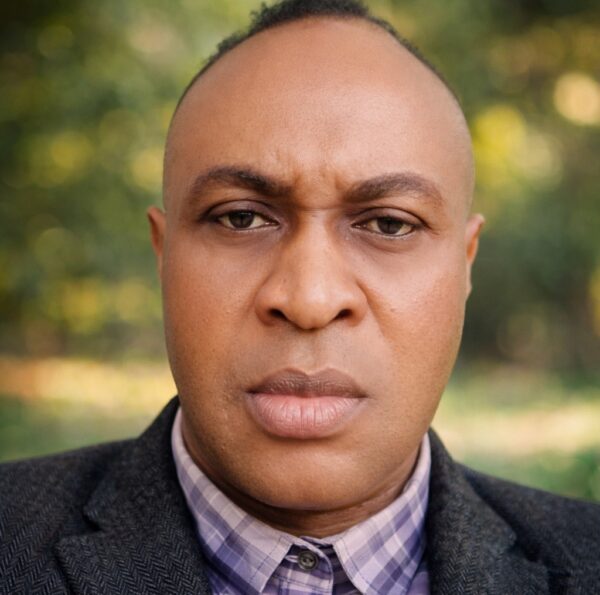
Daniel Nduka Okonkwo is a Nigerian investigative journalist, publisher of Profiles International Human Rights Advocate, and policy analyst whose work focuses on governance, institutional accountability, and political power. He is also a human rights activist and advocate. His reporting and analysis have appeared in Sahara Reporters, African Defence Forum, Daily Intel Newspapers, Opinion Nigeria, African Angle, and other international media platforms. He writes from Nigeria and can be reached at dan.okonkwo.73@gmail.com.