National Issues
Why Mental Health Conversations Should Be Normalised in Nigeria -By Ugwuoke Anthony Nnachetam
The time has come for Nigerians to speak openly about mental health. We must encourage empathy instead of ridicule, understanding instead of judgment, and treatment instead of stigma. Government must invest more in accessible mental healthcare, schools should provide counselling services, workplaces should prioritise employee well-being, and communities should create environments where people feel safe asking for help.

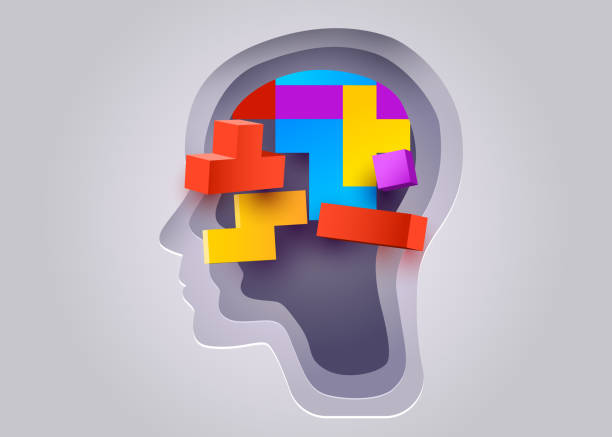
Mental health is one of the most overlooked public health issues in Nigeria, yet it affects millions of people every day. Sadly, many Nigerians silently battle mental health challenges caused by academic pressure, relationship problems, family conflicts, financial hardship, unemployment, insecurity, and the lingering effects of insurgency. Despite the growing burden, conversations around mental health remain surrounded by stigma, myths, and misconceptions.
For many people, the moment they hear the words mental illness, they immediately assume the person is “mad” or has been spiritually attacked by village people. This misconception has prevented countless individuals from seeking the professional help they desperately need. Mental health goes far beyond what many people imagine. It includes conditions such as depression, anxiety, post-traumatic stress disorder, and several other psychological disorders that can affect anyone regardless of age, gender, religion, or social status.
One of the biggest challenges is the way many families respond to mental health struggles. Rather than seeking help from psychologists, psychiatrists, or trained mental health professionals, some parents move from one prayer house to another believing that every mental health condition is purely spiritual. While faith and prayer can provide comfort and hope, they should not replace professional diagnosis, therapy, or medical treatment where necessary.
Parents also have an important role to play in protecting the mental well-being of their children. Healthy communication within the family can make a significant difference. Parents should create safe spaces where their children feel comfortable discussing school, work, friendships, relationships, and the challenges they face daily. Many young people carry emotional burdens alone because they fear being judged, misunderstood, or dismissed. Peer pressure, academic expectations, social media influence, and family responsibilities can overwhelm anyone and, if ignored, may contribute to depression, substance abuse, risky behaviours, or even suicide.
Every year, many people suffer in silence, and some die without anyone truly understanding what they were going through. Others choose not to speak about their struggles because they fear ridicule, gossip, or being labelled as weak. The unfortunate reality is that many people only begin to pay attention after a tragedy has occurred.
Anxiety and depression are real medical conditions, not signs of weakness or a lack of faith. Across Nigeria, particularly within university communities, numerous young people have struggled with overwhelming emotional distress. Some have tragically lost their lives because they could no longer cope with the weight of their circumstances. Mental health challenges do not discriminate. They can affect students, professionals, parents, children, and even those who appear successful on the outside.
Depression is more than simply feeling sad. It is a serious mental health condition that can make people lose hope, withdraw from others, lose interest in activities they once enjoyed, and struggle to perform everyday tasks. It may develop after heartbreak, the loss of a loved one, prolonged financial hardship, traumatic experiences, or other deeply painful life events. Without proper care and support, depression can become life-threatening.
For many Nigerians, simply thinking about the country’s economic realities can trigger stress and anxiety. The uncertainty surrounding employment, inflation, insecurity, and the rising cost of living places enormous psychological pressure on millions of citizens. These daily realities gradually wear people down emotionally and mentally.
Being an average Nigerian often feels like entering a race where the obstacles appear long before the starting whistle. We live in a country where many hardworking people struggle to find decent jobs, where infrastructure remains inadequate, where social support systems are weak, and where countless families survive only by the grace of God. The burden of survival has become exhausting.
Nigeria is blessed with a population of over 200 million people and incredible cultural diversity, yet it continues to battle enormous developmental challenges. Poor governance, deteriorating infrastructure, insecurity, unemployment, and rising poverty continue to shape the everyday realities of ordinary citizens. These problems do not only affect the economy—they also affect people’s mental health.
Many Nigerians feel unheard and powerless. Too often, people believe that their opinions do not matter and that their lives carry little value within the larger political system. Young people, in particular, worry about what the future holds. They ask difficult questions about education, employment, security, and opportunities, wondering whether tomorrow will truly be better than today.
The financial pressure on families continues to increase. Parents constantly worry about providing food, paying school fees, and meeting basic household needs. Mothers look for additional ways to support the family, while some children are forced to combine school with part-time jobs simply to contribute to household income. Such circumstances create enormous emotional strain that can have lasting effects on mental well-being.
While many young Nigerians pursue honest and legitimate means of earning a living, others are driven into internet fraud and other illegal activities by desperation rather than genuine choice. Although criminal behaviour should never be justified, we must also recognise that prolonged economic hardship, unemployment, and hopelessness can increase vulnerability to poor decisions. Addressing these underlying issues is essential if we truly want lasting change.
The time has come for Nigerians to speak openly about mental health. We must encourage empathy instead of ridicule, understanding instead of judgment, and treatment instead of stigma. Government must invest more in accessible mental healthcare, schools should provide counselling services, workplaces should prioritise employee well-being, and communities should create environments where people feel safe asking for help.
Mental illness is not madness. It is not always a spiritual attack. It is a health condition that deserves compassion, professional care, and public understanding. By normalising conversations around mental health, we can break the silence, save lives, and build a healthier Nigeria where no one feels they have to suffer alone.