
Forgotten Dairies
Benue Pounded Yam, Identity and the Politics of Conflict -By Prince Charles Dickson Ph.D.
If we want to keep eating Benue pounded yam, the people who cultivate it must remain alive. Their land, identity and dignity must be protected beyond political higi-haga. Farmers must return safely to their fields. Children must sleep without fear. Travellers must move without dread. Displaced communities must return home with justice, not merely assurances.


“Have you eaten?”
Emmanuel Ande’s question sounded simple, but in Benue it carries the weight of welcome, identity and belonging. It is not merely an offer of food; it is an invitation into a culture shaped by soil, yam farms and the communal table.
So, I ate pounded yam.
But as I ate, another question pressed against the meal: what does it mean to celebrate Benue’s food and identity when the farmers who produce that food are being driven from their land, attacked on the roads and forced to measure time by funerals and displacement?
In Benue, pounded yam is more than hospitality. It is the end of a chain that begins with a farmer planting in safety. It depends on cultivable land, passable roads, functioning markets and communities able to sleep without fear. When insecurity breaks that chain, it threatens not only lives and livelihoods but also the cultural identity gathered around the plate.
And, in case nobody has told you, if you enter Benue and leave without eating pounded yam, your visit is administratively incomplete. You may have attended meetings, signed registers and taken photographs with important people, but spiritually and gastronomically, you were absent.
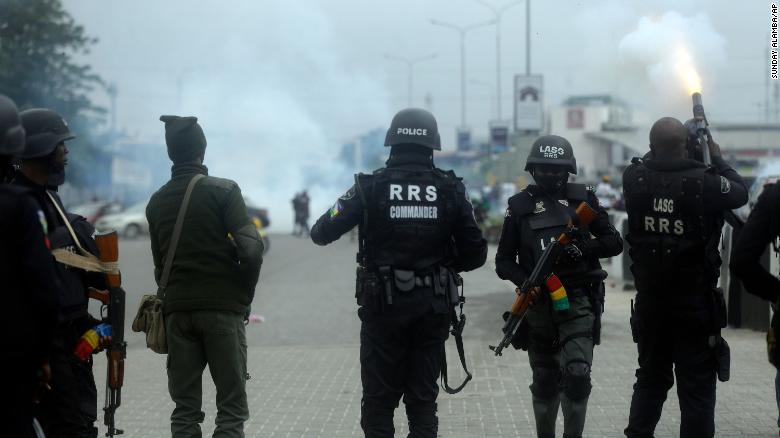
The last time I visited Benue was in Agatu, a name that carries both the dignity of a people and the ache of repeated violence. The killings have not abated. Too many communities across Benue and the wider North Central still measure time by attacks: before the displacement, after the burial, since the children stopped going to school, since the road became unsafe.
Pounded yam tastes different when you remember that someone must first survive long enough to plant the yam.
My unofficial Benue consulate; Godwin Okoko, Shamaki Gad, Bamun, Clement, Peter and Prof. Tor—had somehow failed to send me a diplomatic cable informing me that Makurdi and Otukpo were changing. New roads and flyovers were altering familiar skylines. At one point, I asked my chauffeur whether this was really Benue.
Perhaps my ignorance deserved diplomatic sanctions.
The changing landscape was encouraging. Infrastructure matters: roads connect markets, flyovers ease movement and visible development restores public confidence. Yet a flyover can change a skyline without changing the fate of a village under siege. Benue presents two realities in one frame—communities witnessing development and communities confronting an existential threat. Good governance must hold both truths simultaneously.
I was in Makurdi to represent The Tattaaunawa Roundtable Initiative TRICentre at the 2026 North Central Regional Security Summit, held on 31 August. An initiative of the Honourable Minister of Defence, General Christopher Gwabin Musa (Rtd), OFR, the summit was organised by the Federal Ministry of Defence in collaboration with the Office of the Senior Special Assistant to the President on Community Engagement, North Central.
Its theme, “Collaborative Approaches to Strengthening Security and Regional Stability,” brought together the Secretary to the Government of the Federation, Senator George Akume, representing President Bola Ahmed Tinubu; governors and senior state representatives; security chiefs; traditional and religious leaders; veterans; elder statesmen; civil society organisations; development workers; and community actors.
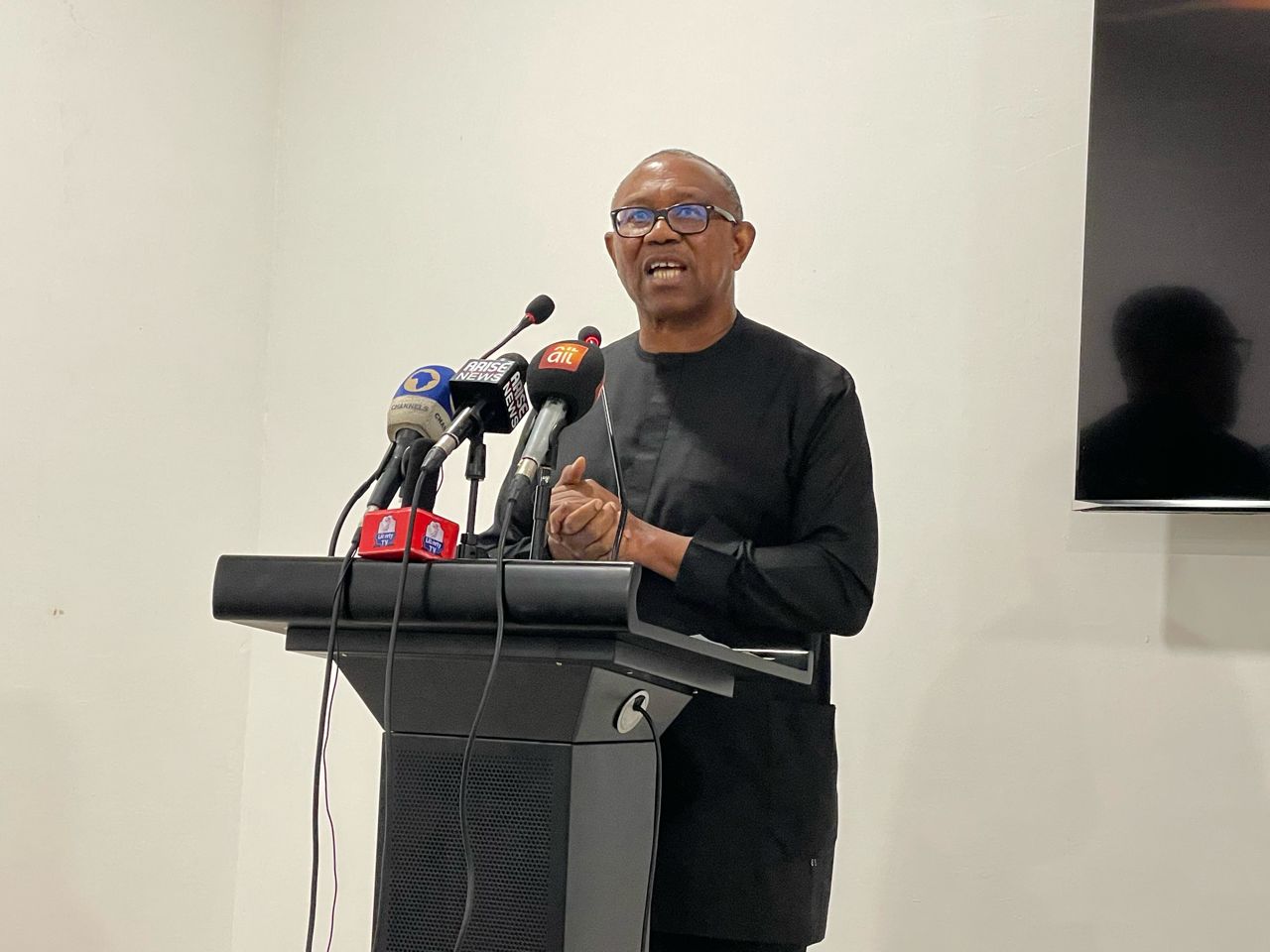
Our host, Governor Hyacinth Alia, spoke with the burden of a leader whose people are living through persistent insecurity. On a lighter note, I enjoyed hearing him introduced as “Rev. Fr. Dr. Chief.” Nigerians love titles. By the time some public officials are fully introduced, the title itself has consumed the first session.
Beyond protocol, however, was a grave question: what exactly is happening across the North Central?
My governor, His Excellency Caleb Mutfwang of Plateau State, challenged the convenient description of the killings as “farmer-herder clashes.” He asked, rightly, why entire communities were being attacked, displaced and, in some cases, wiped out.
Language is not innocent. Naming determines diagnosis, and diagnosis shapes response.
A clash suggests two relatively equal sides meeting in confrontation. But when armed groups descend on sleeping communities, burn homes, kill residents and prevent displaced families from returning to their ancestral land, we must ask whether “clash” remains an honest description. This does not deny the existence of genuine farmer-herder disputes. It rejects the intellectual laziness of reducing every attack, reprisal, land dispute, act of banditry and organised invasion to one convenient phrase.
When government misnames a conflict, it prescribes the wrong medicine. When the media repeats an inaccurate label, victims disappear behind grammar. When politicians weaponise identity, citizens become Christians, Muslims, farmers, herders, indigenes or settlers before they are recognised as human beings.
The Governor of Nasarawa State, Abdullahi Sule, warned against politicising insecurity. His point was crucial. Criminal networks do not stop at state boundaries to present passports. Armed groups exploit ungoverned spaces, broken relationships and failures to share intelligence. Political quarrels create security corridors.
A Tiv proverb says: “Indyer i tamenor ugen ka ia gba usu, we di u mir i you”—when another old man’s beard catches fire, wet your own. Plateau cannot watch Benue burn and assume the smoke will respect the boundary. Nasarawa cannot treat an attack in Plateau as distant thunder. What wounds one part of the North Central eventually weakens the whole region.
The veterans spoke too. Old soldiers never die; sometimes they simply return with longer titles, deeper memories and fewer reasons to tolerate our excuses. Generals Lawrence Onoja and Chris Abutu offered their perspectives, while regional elders spoke through Dame Pauline Tallen. Their interventions reminded us that the North Central does not lack experience, reports or recommendations. What it lacks too often is sustained implementation.
I represented CSOs and NGOs on the panel discussing “Building Community Resilience through Inclusive Partnerships, Early Warning and Conflict Prevention.” My argument was simple: security must reach the community before violence does.
Communities usually detect danger before official institutions do. They notice unusual movement, hear threatening language and recognise when relationships are deteriorating, rumours are changing temperature and fear is emptying farms and markets. Yet warnings travel upward slowly while violence travels quickly.
Early warning without early response is merely advance notice of tragedy.
We need community-owned early-warning structures linked to clear, properly resourced response mechanisms. Information must move securely from villages to local governments, state institutions and security agencies. There must be feedback, accountability and protection for those who provide credible intelligence. Otherwise, people will stop reporting because they have learnt that warning the authorities may expose them without protecting them.
Inclusion must mean more than arranging chairs for women and young people after decisions have already been made. An Idoma proverb teaches: “Anya ole anya onma; anya oci noo kwoonma bi; i yon onma le ca”—women are the home, the fence and the poles that keep the fence standing. Remove the poles and the fence collapses.
A security architecture that excludes women, youths, persons with disabilities, traditional institutions, religious leaders and grassroots peace actors is a fence with missing poles. These groups possess knowledge, relationships and access that formal institutions may not have.
The military remains indispensable where communities face heavily armed groups. But force can suppress violence without resolving the conditions that reproduce it. Security operations must be accompanied by justice, accountable governance, safe resettlement, livelihood recovery, responsible land administration and serious action against impunity. Development workers must fund prevention, not merely arrive with relief after communities have been destroyed. Scholars must translate research into usable policy. Politicians must stop treating insecurity as campaign seasoning.
Another Tiv proverb says: “Hiar ka a hiin, i hiin a igbe”—when the whirlwind begins, protective action must begin with it. Do not wait for the roof to disappear before acknowledging the wind.
Benue came and went, but its lesson remains. Pounded yam is proof that somebody planted, harvested, transported, sold and cooked. It is the final product of an entire chain of security.
If we want to keep eating Benue pounded yam, the people who cultivate it must remain alive. Their land, identity and dignity must be protected beyond political higi-haga. Farmers must return safely to their fields. Children must sleep without fear. Travellers must move without dread. Displaced communities must return home with justice, not merely assurances.
Peace is not an event held inside a banquet hall. It is the right of ordinary people to live, work, belong, plant, harvest, and sit with a friend named Emmanuel before a plate of pounded yam, without fear…—May Nigeria win!
























You must be logged in to post a comment Login